Feng Shui is an ancient Chinese philosophy that focuses on harmonizing individuals with their surrounding environment. When it comes to plants, Feng Shui views them as living sources of energy, or “chi,” that can enhance the flow of positive energy within a space. Healthy, vibrant plants are believed to uplift moods, improve vitality, and create a sense of balance between nature and human-made environments.
In Feng Shui, the placement of plants is just as important as the plants themselves. Specific areas of a home or garden correspond to different aspects of life, such as wealth, health, and relationships. Placing plants thoughtfully in these zones is thought to activate and support those life areas, encouraging growth, prosperity, and emotional well-being.
The condition of the plants also plays a key role. Thriving, well-maintained plants symbolize abundance and positive energy, while dying or neglected plants are believed to block or drain chi. Regular care, including watering, pruning, and cleaning leaves, helps maintain a healthy energy flow and reinforces the idea of nurturing growth in one’s life.
Feng Shui also emphasizes the shape, size, and type of plants. Soft, rounded leaves are often preferred because they promote gentle, calming energy, while sharp or spiky plants may create a more intense or defensive atmosphere. The size of the plant should be proportional to the space, ensuring it complements rather than overwhelms the environment.
In Feng Shui philosophy, some plants symbolize growth, vitality, and renewal, making them powerful tools for enhancing financial luck. Their upward growth and lush green leaves represent expansion and thriving energy, which aligns with the idea of increasing wealth and opportunities.
Feng Shui Plants For Wealth
1. Money Tree (Pachira Aquatica)
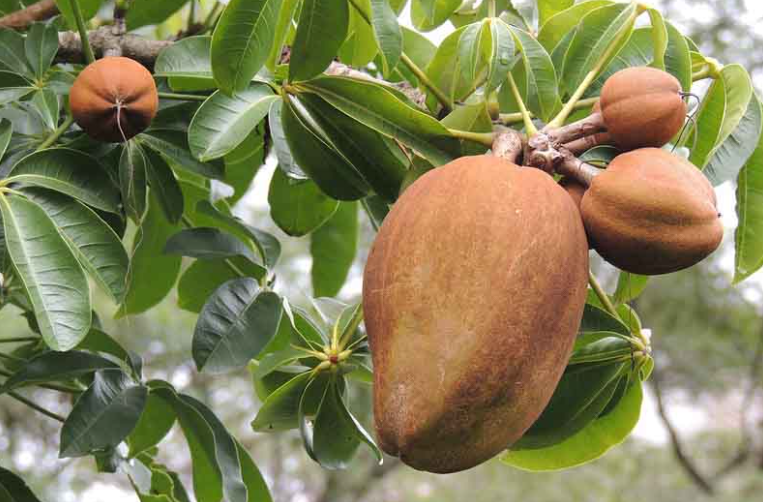
The Money Tree is perhaps the most famous Feng Shui plant for wealth. It typically features a braided trunk, which is said to “trap” fortune within its folds, while its five-lobed leaves represent the five elements of balance (wood, fire, earth, metal, and water).
2. Jade Plant (Crassula Ovata)
With its thick, succulent leaves that resemble coins or precious jade stones, this plant is a staple in many businesses. It is believed to activate financial energy and is best placed near the entrance of a home or office to welcome prosperity.
3. Lucky Bamboo (Dracaena Sanderiana)
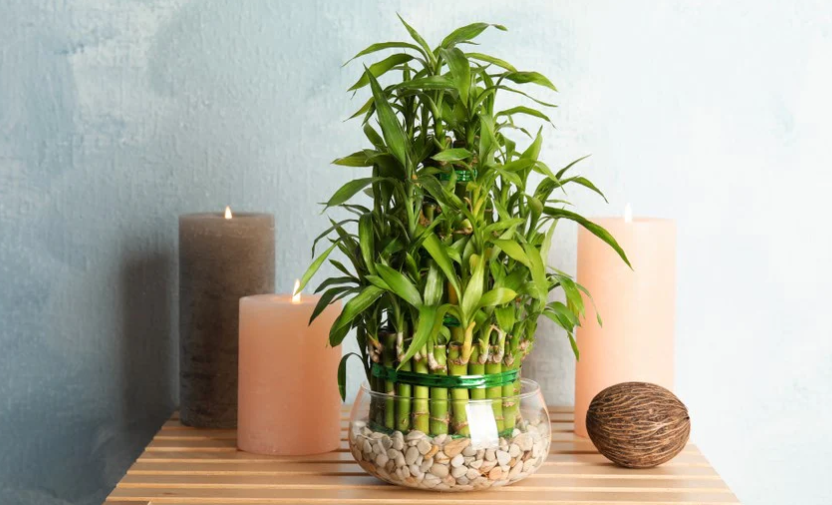
This is not actually bamboo but a member of the Dracaena family. In Feng Shui, the number of stalks is significant; for wealth, look for 8 stalks (the number of abundance) or 9 stalks (the number of great fortune).
4. Snake Plant (Sansevieria)
Known as a “protector” plant, the Snake Plant filters negative energy and toxins from the air. Its upward-growing leaves represent growth and strong “Yang” energy, helping to provide a steady foundation for financial endeavors.
5. Peace Lily (Spathiphyllum)
The Peace Lily is prized for its ability to purify indoor air. By clearing out “stagnant” energy, it creates a harmonious environment where wealth can flow more freely, making it an excellent choice for a home office.
6. Rubber Plant (Ficus Elastica)
The Rubber Plant’s round, glossy leaves symbolize abundance and wealth. In Feng Shui, round shapes are often associated with coins, and placing this plant in the “Wealth Corner” (the far left corner from the entrance) is said to boost financial luck.
7. Orchid (Orchidaceae)
Orchids represent fertility, abundance, and spiritual growth. They are often used in Feng Shui to attract a “noble” type of wealth—the kind that brings not just money, but also respect and status in one’s career.
8. Golden Pothos (Epipremnum aureum)
Also known as Devil’s Ivy, the Golden Pothos is a hardy climber. Its heart-shaped leaves and trailing vines are thought to capture and “soften” harsh energy in sharp corners, allowing wealth to circulate more efficiently throughout a room.
9. Chinese Money Plant (Pilea Peperomioides)
Characterized by its perfectly round, coin-like leaves, this plant is a literal representation of money. It is often shared among friends through cuttings, which is believed to multiply the wealth of both the giver and the receiver.
10. Aloe Vera
While famous for its healing properties, Aloe Vera is also used to ward off bad luck and negative energy. By protecting the household from “financial drains,” it ensures that the wealth you accumulate stays within the home.
11. Holy Basil (Tulsi)
In many Eastern traditions, Basil is considered a sacred plant that attracts financial success and protects against poverty. Keeping a healthy Basil plant near the entrance is said to invite auspicious opportunities.
12. Rosemary (Salvia rosmarinus)
Rosemary is associated with memory and mental clarity. In a wealth context, it is believed to help the “trader” or business owner make sharp, clear decisions, which is essential for long-term financial growth.
13. Lavender (Lavandula)
Lavender is primarily used to reduce stress and promote a calm environment. By lowering anxiety around money matters, it allows for more strategic and less emotional financial planning.
14. Sage (Salvia officinalis)
Sage is used to “smudge” or clear out old, lingering energy. If you have experienced a period of financial hardship, Sage is the plant used to reset the space and make room for new prosperity.
15. Chrysanthemum
The golden-yellow variety of the Chrysanthemum is particularly lucky, as the color gold is synonymous with wealth. These flowers are often displayed during the Lunar New Year to signify a prosperous year ahead.
16. Peony (Paeonia)
Known as the “King of Flowers” in China, peonies represent high status and riches. While they are often associated with romance, they also symbolize the “blooming” of one’s fortune and the arrival of great success.
17. Citrus Trees (Lemon or Orange)
Citrus trees, especially those bearing fruit, are powerful symbols of abundance. The fruit themselves look like gold nuggets, and their refreshing scent is thought to invigorate the mind for productive work.
18. Anthurium (Flamingo Lily)
The vibrant red, heart-shaped flowers of the Anthurium bring a strong “Fire” element to a space. This energy is used to spark inspiration and drive, pushing one toward ambitious financial goals.
19. African Violet (Saintpaulia)
With its fuzzy, round leaves and purple flowers (a color traditionally associated with royalty and wealth), the African Violet is a compact but potent plant for attracting money when placed in the wealth sector.
20. Boston Fern (Nephrolepis exaltata)
The lush, overflowing fronds of the Boston Fern represent a “fountain” of abundance. Its ability to grow rapidly and fill a space is symbolic of a portfolio or business that is expanding quickly.
21. Spider Plant (Chlorophytum comosum)
The Spider Plant produces “babies” that hang down from the mother plant, symbolizing the multiplication of assets. It is a plant of “compound interest,” where one initial investment leads to many small gains.
22. Calathea (Prayer Plant)
The Calathea’s leaves fold up at night and open during the day, following a rhythmic cycle. This represents a disciplined approach to wealth—knowing when to save (fold) and when to invest (open).
23. Philodendron
Philodendrons are incredibly resilient and can grow in various conditions. This resilience is a key trait for building wealth, symbolizing the ability to withstand market volatility and keep growing.
24. Areca Palm (Dypsis lutescens)
The Areca Palm is a large plant that commands attention. In Feng Shui, it is used to activate “stagnant” corners and bring a sense of grandeur and high-level success to a workspace.
The Best Places to Put Your Plants
- Southeast (Wealth & Abundance): This is the prime spot for plants with round, coin-like leaves (Jade, Money Plant, Peperomia).
- East (Health & Family): Place plants here to promote family harmony and good health. Lucky Bamboo is a classic choice.
- South (Fame & Reputation): The South is governed by the Fire element. While you can put plants here (Wood feeds Fire), it’s best to use flowering plants with red blooms (like an Anthurium) to enhance the Fire energy.
- Entrance/Foyer: A healthy, vibrant plant here welcomes good chi into your home.
- Living Room: Placing a plant in the corner of a living room can soften the energy and prevent it from stagnating.
- Office: A plant on your desk, especially in the far left corner (your personal wealth corner), can boost productivity and career luck.
- Bathroom: Bathrooms are associated with water and draining energy. Plants like Peace Lilies, Ferns, or Bamboo can thrive in the humidity and help balance the energy.
Plants to Avoid or Place with Caution
- Cacti and Thorny Plants: These plants emit “poison arrows” (sharp, cutting energy). Avoid placing them near seating areas, entryways, or in the bedroom. They are sometimes used intentionally to block negative energy from a specific direction outside a window, but use them sparingly.
- Bonsai Trees: While beautiful, a Bonsai is a tree that has been intentionally stunted and kept small. In Feng Shui, this can symbolize stunted growth or obstacles in your own life path. It’s best to avoid them if you are looking to promote growth and abundance.
- Dried or Dead Flowers/Plants: These represent dead energy and decay. They will only attract stagnant, negative chi to your space. Always remove dead leaves and throw away any dead or dying plants immediately.