Botanical Classification
Erman’s birch is a deciduous hardwood tree belonging to the genus Betula, within the family Betulaceae. Its scientific name is Betula ermanii. The species falls under the order Fagales, which includes other important hardwood trees like oaks, beeches, and alders.
Erman’s birch is native to northeastern Asia and is particularly valued for its ornamental bark and tolerance of cold, mountainous climates. It is closely related to other birch species such as silver birch (Betula pendula) and Japanese cherry birch (Betula grossa), but it is distinguished by its striking bark, leaf shape, and high-altitude adaptability.
Description / Characteristics
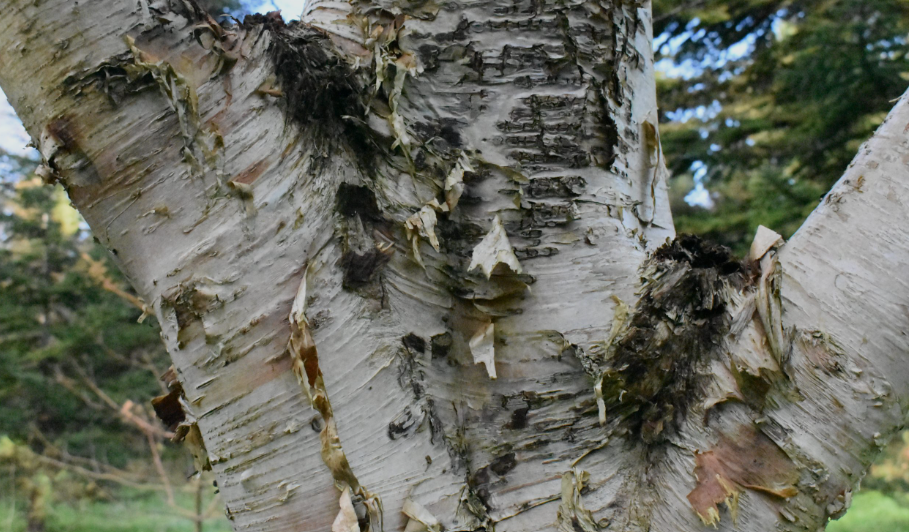
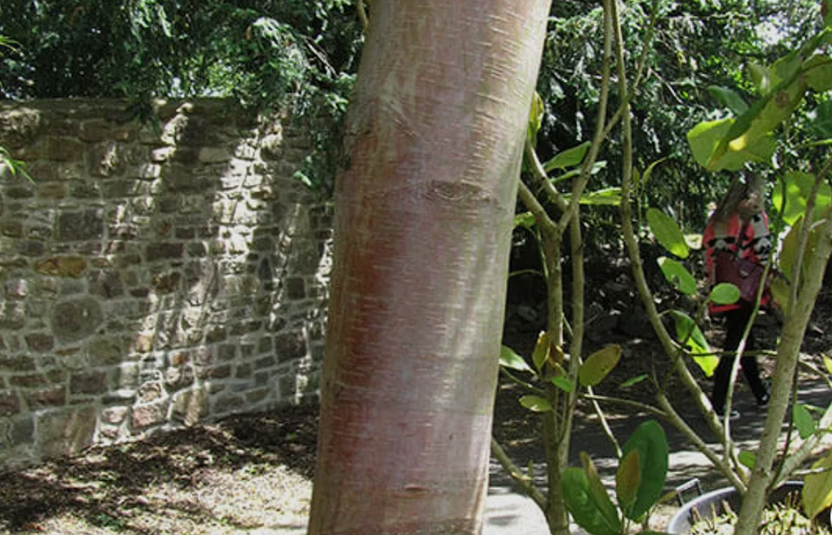
Erman’s birch is a medium to large deciduous tree, typically reaching 15–20 meters (50–65 feet) in height, though it can occasionally grow taller in ideal conditions. Its bark is smooth and pale, ranging from silvery-white to cream, and may develop horizontal lenticels or slight peeling as the tree matures.
Young shoots are often hairy, giving them a downy texture similar to related species. The leaves are ovate with serrated margins, turning yellow in autumn. Erman’s birch produces slender catkins in spring, which serve as its reproductive structures. Its growth habit is upright and somewhat pyramidal when young, becoming more rounded with age. The species is moderately fast-growing and highly hardy, tolerating cold temperatures, snow, and strong winds in mountainous regions.
Distribution & Habitat
Erman’s birch is native to northeastern Asia, particularly in regions of Japan, Russia (Siberia), and the Korean Peninsula. It typically grows at high elevations, ranging from 1,000 to 2,500 meters above sea level, often on slopes, ridges, and forest edges. The species prefers cool, temperate to subalpine climates and well-drained, moist soils, often volcanic or sandy in composition.
Its natural habitat is characterized by cold winters, moderate precipitation, and strong winds, which the tree is specially adapted to withstand. Erman’s birch often forms mixed stands with other high-altitude conifers and deciduous trees, contributing to soil stabilization and providing habitat for wildlife in mountainous ecosystems.
Conservation
Erman’s birch (Betula ermanii) is generally considered a stable species in its native range across northeastern Asia. It is not currently listed as threatened, as it occurs in remote mountainous areas less affected by urbanization or large-scale agriculture. However, localized threats include logging, habitat fragmentation, and climate change, which may alter the high-altitude ecosystems it relies on.
Conservation efforts focus on protecting natural forest habitats, maintaining mixed-species stands, and promoting sustainable forestry practices to ensure healthy populations in its native mountainous regions. Botanical gardens and arboreta outside its native range also help preserve genetic diversity through cultivation and propagation.
Uses
Erman’s birch is valued both ecologically and ornamentally. Its striking silvery-white bark and graceful growth habit make it a popular choice for parks, gardens, and temperate botanical collections. Ecologically, the tree stabilizes mountain soils, reduces erosion on slopes, and provides habitat and food for birds, insects, and small mammals.
Its wood is moderately hard and light, suitable for furniture, veneer, and small craft projects, though it is not a major commercial timber species. The species is also used in reforestation and landscape restoration projects in cold or mountainous regions due to its hardiness and ability to establish in challenging soils.
Varieties and Cultivars
Erman’s birch has several ornamental cultivars selected for bark color, growth habit, or compact form. A popular cultivar is Betula ermanii ‘Grayswood Ghost’, known for its silvery bark and upright growth. Another selection, Betula ermanii ‘Jermyns’, is valued for its denser crown and slightly smaller stature, making it suitable for smaller landscapes.
While wild populations show natural variation in bark tone, leaf size, and branching, these cultivars highlight the tree’s ornamental appeal and adaptability for cultivation in temperate gardens and arboreta.
Growth Rate
Erman’s birch (Betula ermanii) is a moderately fast-growing tree, particularly in its early years. Young trees typically grow around 30–60 centimeters (1–2 feet) per year under favorable conditions, reaching maturity in approximately 20–25 years. Growth is fastest in well-drained, moist soils with full sun exposure, while high-altitude or nutrient-poor sites can slow development.
Its combination of relatively rapid growth and cold hardiness makes it suitable for ornamental planting and reforestation in mountainous regions.
USDA Zones
Erman’s birch thrives in cool temperate to subalpine climates and is suitable for USDA Hardiness Zones 3–6. These zones reflect its native high-altitude habitats in northeastern Asia, where winters are long and cold, and summers are moderate.
The species prefers full sun to partial shade and grows best in well-drained, moist soils. Its cold tolerance, combined with adaptability to mountainous terrain, makes it a reliable choice for gardens, parks, and ecological plantings in regions with harsh winters.
Problems
Erman’s birch is relatively hardy, but it can face some environmental and biological challenges. Common problems include fungal infections such as leaf spot or canker, particularly on stressed or poorly sited trees. Insects like aphids or birch leaf miners may occasionally cause damage, although infestations are typically limited in cooler climates.
Environmental stressors, including drought, soil compaction, or mechanical damage, can weaken the tree and increase susceptibility to pests and disease. Overall, careful site selection, proper soil management, and monitoring for pests and diseases are important for maintaining healthy Erman’s birch populations in cultivation and restoration projects.