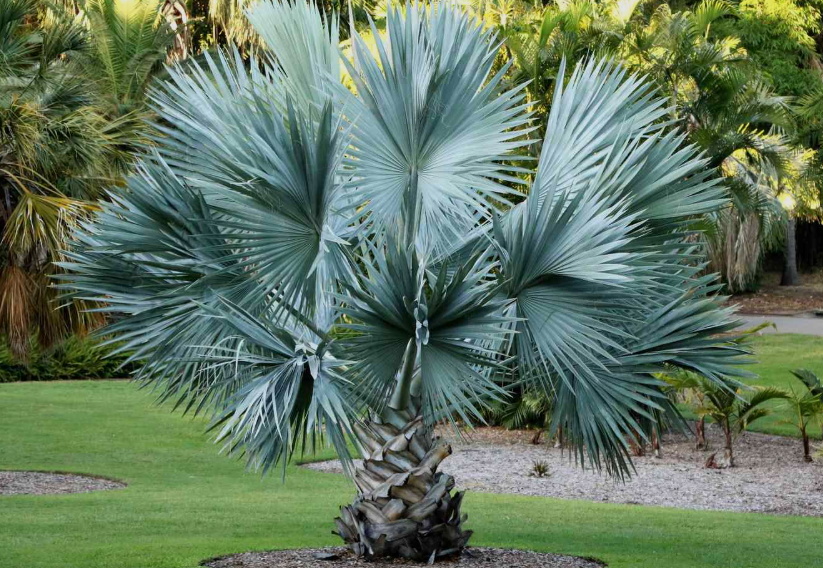
Dwarf or small palm trees are compact members of the palm family that are valued for their manageable size and graceful appearance. Unlike towering palms that dominate skylines, these smaller varieties remain relatively short, making them suitable for residential landscapes, patios, and small gardens. Their elegant fronds and tropical look allow gardeners to create a lush atmosphere even in limited spaces.
Small palm trees are very much adapable, many can grow well in containers and can be be placed on balconies, terraces, or indoor spaces with adequate light. Because they require less vertical space, they are often used to decorate entryways, courtyards, and narrow garden beds where larger trees would be impractical.
These palms typically grow slowly compared to larger species, which helps them maintain a neat and controlled appearance for many years. Their smaller root systems also make them easier to manage around buildings, walkways, and other landscape features.
In landscaping, dwarf palms are commonly used as accent plants, focal points, or part of layered planting designs. Their fan-like or feather-like leaves add texture and movement to gardens, especially when planted alongside flowering plants or shrubs. Because they do not grow extremely tall, they also work well in group plantings or decorative arrangements.
Caring for small palm trees is usually straightforward. They generally prefer warm climates, well-draining soil, and moderate watering. With proper sunlight and occasional feeding, they can remain healthy and attractive for many years.
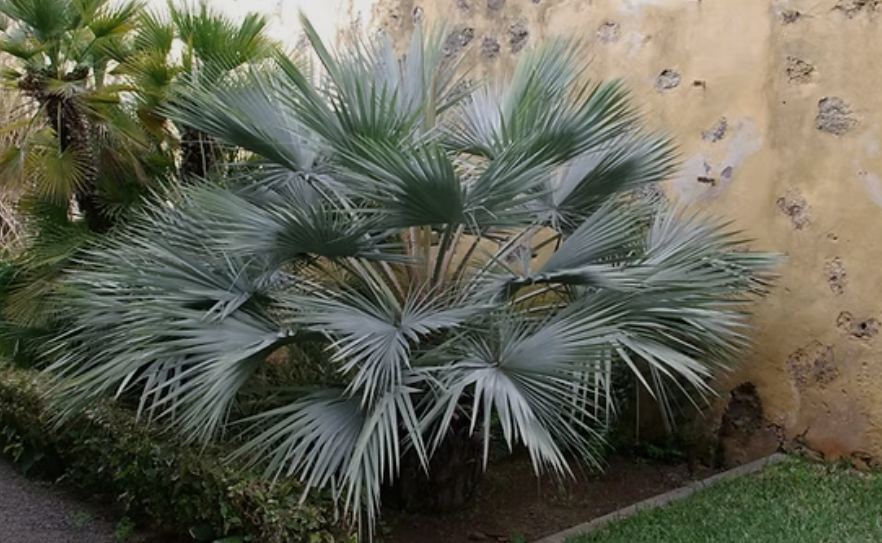
Miniature Palm Trees For Landscaping
Areca Palm
The Areca Palm is a graceful, small palm commonly used in landscaping for its feathery, arching fronds and clumping growth habit. It usually grows between 6 and 12 feet tall in outdoor landscapes, making it suitable for small gardens, patios, and walkways.
Its bright green leaves create a lush, tropical appearance and it works well as a natural privacy screen. The Areca Palm thrives in warm climates and prefers well-drained soil with partial to full sunlight.
Pygmy Date Palm
The Pygmy Date Palm is one of the most popular small palms for landscaping because of its manageable size and elegant look. It typically grows up to about 10 feet tall and features a slender trunk with gracefully arching fronds.
This palm works well as a focal point in small yards, near pools, or in decorative garden beds. It is also fairly low-maintenance and tolerates a range of soil conditions as long as drainage is good.
Parlor Palm
The Parlor Palm is a compact palm that is often grown indoors but can also be used outdoors in shaded landscapes. It grows slowly and usually reaches around 4 to 8 feet tall when planted outside. Its soft, delicate fronds give gardens a refined tropical feel.
Because it tolerates low light better than many palms, it is ideal for shaded patios, courtyards, or under larger trees.
Sago Palm
Although technically a cycad rather than a true palm, the Sago Palm is widely used in landscaping because of its palm-like appearance. It grows slowly and usually reaches about 3 to 6 feet in height.
The plant forms a thick trunk topped with stiff, glossy leaves that radiate outward in a circular pattern. Sago Palms are often planted as ornamental accents in gardens, rock landscapes, and entryways.
Dwarf Majesty Palm
The Dwarf Majesty Palm is a smaller version of the well-known majesty palm and is valued for its lush, symmetrical fronds. It generally grows to about 10 feet tall in landscape settings.
Its elegant appearance makes it a great choice for tropical-style gardens or as a decorative feature near patios and pathways. This palm prefers moist, well-drained soil and plenty of sunlight to maintain its healthy green foliage.
Bottle Palm
The Bottle Palm is a striking small palm known for its unusual trunk that swells at the base, resembling a bottle. It typically grows between 8 and 12 feet tall, making it perfect for compact landscapes.
The palm produces a small crown of arching fronds that add a neat, sculptural look to garden spaces. It is often planted as a focal point in tropical or coastal landscapes.
Windmill Palm
The Windmill Palm is a hardy small palm recognized for its fan-shaped leaves that spread out like a windmill. It can reach around 10 to 20 feet tall but grows slowly and remains relatively compact in many landscapes.
Its trunk is covered with fibrous material, giving it a textured appearance. This palm is valued for its ability to tolerate cooler climates compared to many other palm species.
European Fan Palm
The European Fan Palm is a compact, clumping palm that works well in small landscapes. It usually grows about 6 to 15 feet tall and often forms multiple trunks.
The palm’s fan-shaped leaves give gardens a Mediterranean or tropical feel. Because it is drought-tolerant and adaptable to various soil conditions, it is commonly used in low-maintenance landscaping designs.
Cat Palm
The Cat Palm is a compact, bushy palm that is widely used in landscaping for its dense, tropical appearance. It usually grows about 6 to 8 feet tall and forms multiple stems that create a lush, full clump of feathery fronds.
This palm works well in shaded garden beds, along pathways, or near patios where a soft tropical look is desired. It prefers moist, well-drained soil and does best in partial shade.
Dwarf Palmetto
The Dwarf Palmetto is a hardy, low-growing palm that is often used in naturalistic and coastal landscapes. It usually grows only 4 to 10 feet tall and features fan-shaped leaves that spread outward in a striking pattern.
This palm is valued for its durability and ability to tolerate poor soils, drought, and even occasional flooding. It is often planted in clusters to create a wild, natural look in gardens.
Christmas Palm
The Christmas Palm is a small and elegant palm commonly used in residential landscaping. It typically grows between 10 and 15 feet tall and has a slender trunk topped with a neat crown of feathery fronds.
The palm gets its name from the bright red fruits that appear around the holiday season. Because of its tidy appearance and manageable size, it is often planted along driveways, sidewalks, or near entrances.
Lady Palm
The Lady Palm is a slow-growing palm known for its graceful fan-shaped leaves and clumping growth habit. It usually reaches about 6 to 12 feet tall in outdoor landscapes.
Its dark green, glossy foliage gives it a refined look, making it ideal for decorative gardens, shaded courtyards, and patio areas. The plant is also appreciated for its ability to grow well in shaded environments.
Mazari Palm
The Mazari Palm is a unique small palm with stiff, blue-green fan-shaped leaves that give it a striking appearance. It generally grows around 6 to 10 feet tall and forms multiple trunks as it matures.
This palm is highly tolerant of drought and heat, making it a good option for dry or desert-style landscapes. Its unusual leaf color adds contrast and visual interest to garden designs.
Jelly Palm
The Jelly Palm is a small ornamental palm that usually grows about 10 to 15 feet tall. It has arching, feathery fronds that often have a bluish-green tint, giving it a soft and attractive look.
This palm also produces small orange fruits that can be used to make a sweet jelly, which is how it got its name. It is often planted in lawns or gardens as a decorative centerpiece.
Needle Palm
The Needle Palm is a very hardy and compact palm that typically grows between 3 and 6 feet tall. It has fan-shaped leaves and forms a dense, shrubby cluster of stems.
This palm is valued for its ability to tolerate cooler temperatures better than many other palms. It works well in shaded garden areas, woodland landscapes, and as a low-growing ornamental plant.
Bamboo Palm
The Bamboo Palm is a slender, clumping palm that resembles bamboo because of its thin, upright stems. It usually grows around 6 to 10 feet tall and produces soft, feathery fronds that give landscapes a light and airy tropical feel.
This palm is often used in shaded gardens, along walls, or as a natural screen. It thrives in warm climates and prefers moist, well-drained soil.
Florida Thatch Palm
The Florida Thatch Palm is a small and elegant palm often used in coastal and tropical landscaping. It usually grows between 10 and 20 feet tall and has a slender trunk topped with a crown of fan-shaped leaves.
This palm creates a relaxed tropical look and is commonly planted near patios, pools, and walkways. It is also tolerant of sandy soils and salty air, making it suitable for coastal gardens.
Chinese Fan Palm
The Chinese Fan Palm is a decorative palm known for its large, dramatic fan-shaped leaves that spread out in a circular pattern. It typically grows around 10 to 15 feet tall when young and can be maintained as a small landscape palm.
The drooping leaf tips give it a soft, fountain-like appearance. This palm is commonly used as a focal point in gardens or as a statement plant near entrances.
Dwarf Sugar Palm
The Dwarf Sugar Palm is a compact palm that usually grows around 6 to 10 feet tall. It has dark green, feathery fronds that arch gracefully from the crown.
This palm is valued in landscaping for its dense foliage and attractive shape. It works well in small tropical gardens and shaded areas where a lush, exotic look is desired.
Spindle Palm
The Spindle Palm is a beautiful ornamental palm recognized for its distinctive trunk that swells in the middle, giving it a spindle-like shape. It usually grows between 10 and 20 feet tall but grows slowly, making it suitable for smaller landscapes.
The palm’s elegant fronds form a compact crown that adds structure and visual interest to garden spaces.
Coontie Palm
The Coontie Palm is another plant that resembles a palm but is actually a cycad. It is widely used in landscaping because of its compact size and attractive foliage.
The plant usually grows about 2 to 4 feet tall and produces stiff, glossy leaves that spread outward from the base. It works well in borders, rock gardens, and low-maintenance landscapes.
Loulu Palm
The Loulu Palm is a small palm native to tropical island environments and is admired for its graceful, fan-shaped leaves. It generally grows between 10 and 15 feet tall and has a slender trunk that supports a neat crown of foliage.
Because of its elegant appearance, it is often used as a decorative feature in tropical-style landscapes.
Triangle Palm
The Triangle Palm is a unique ornamental palm known for the triangular arrangement of its fronds. The leaves grow from three distinct sides of the trunk, giving the plant a striking geometric appearance.
It typically grows about 10 to 15 feet tall and is often used as a focal point in gardens due to its unusual shape.
Fishtail Palm
The Fishtail Palm is named for its unusual leaves that resemble the tail of a fish. It usually grows between 10 and 20 feet tall in landscape settings and has multiple stems that create a full, tropical look.
This palm is often planted in clusters or as a decorative accent in warm-climate gardens where its distinctive foliage can stand out.
Dwarf Coconut Palm
The Dwarf Coconut Palm is a smaller variety of the familiar coconut palm and is commonly used in tropical landscaping. It generally grows around 10 to 20 feet tall, which is shorter than the traditional tall coconut palms.
Its long, graceful fronds create a classic tropical atmosphere in gardens and near pools. This palm prefers sunny locations and sandy, well-drained soil.
Silver Saw Palmetto
The Silver Saw Palmetto is a striking small palm recognized for its silvery-blue fan-shaped leaves. It usually grows about 6 to 10 feet tall and spreads outward to form a dense clump.
This palm is very hardy and tolerant of drought, making it ideal for low-maintenance landscaping. Its unique leaf color adds contrast and visual interest to garden designs.
Dwarf Royal Palm
The Dwarf Royal Palm is a compact ornamental palm admired for its smooth, straight trunk and elegant crown of large fronds. It typically grows around 10 to 15 feet tall, making it suitable for smaller landscapes.
This palm adds a formal, tropical look to gardens and is often planted as a focal point in lawns or along pathways.
Solitaire Palm
The Solitaire Palm is a slender and graceful palm that grows as a single trunk with a small crown of feathery fronds. It usually reaches about 10 to 20 feet tall but remains narrow, making it ideal for tight spaces in landscaping.
Because of its clean, simple appearance, it is often planted near entrances, patios, or in small tropical gardens.
Blue Hesper Palm
The Blue Hesper Palm is a striking ornamental palm recognized for its silvery-blue fan-shaped leaves. It is relatively slow-growing and usually stays around 8 to 12 feet tall for many years.
Its unusual leaf color makes it a standout feature in landscape designs, especially in dry or desert-style gardens. This palm is also highly tolerant of drought once established.
Everglades Palm
The Everglades Palm is a small palm that naturally grows in clusters and forms dense stands of slender stems. It typically reaches about 6 to 10 feet tall and has graceful arching fronds that create a soft, tropical appearance.
Because of its compact growth habit, it works well in shaded gardens or as a background plant in landscaping designs.
Rock Palm
The Rock Palm is a hardy and compact palm that grows well in rocky or sandy soils. It generally reaches around 10 feet tall and develops a sturdy trunk topped with a crown of feather-like leaves.
This palm is valued for its resilience and ability to thrive in tough growing conditions. It is often used in low-maintenance landscapes and warm-climate gardens.
Alexander Palm
The Alexander Palm is a slender and elegant palm that fits well into smaller landscapes despite its graceful height. It usually grows between 10 and 15 feet tall when young and features a smooth trunk with arching, feather-like fronds.
The palm often produces bright red fruits that add ornamental value. It is commonly planted along pathways or used as an accent in tropical gardens.
Senegal Date Palm
The Senegal Date Palm is a small, multi-stemmed palm that creates a dense and tropical look in gardens. It usually grows around 8 to 15 feet tall and develops several trunks with arching, feathery leaves.
Because of its manageable size, it works well as a focal plant in small yards or as a decorative feature near patios. It prefers warm climates and sunny locations.