Botanical Classification
Dwarf birch is a small deciduous shrub or low-growing tree belonging to the genus Betula in the family Betulaceae. Its scientific name is Betula nana, and it falls under the order Fagales.
Unlike larger birch species such as silver or paper birch, dwarf birch is adapted to cold, harsh environments and has a creeping or compact growth habit. It is closely related to other small birch species found in arctic and subarctic regions.
Description / Characteristics
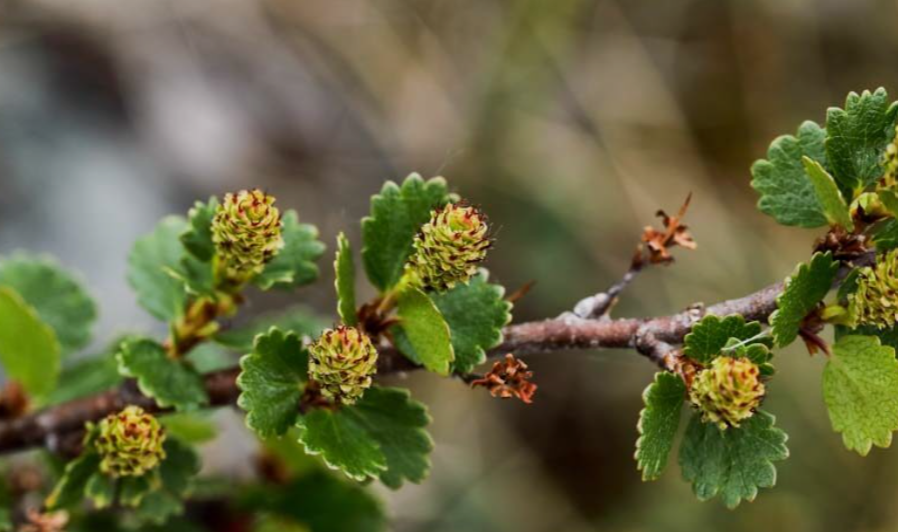
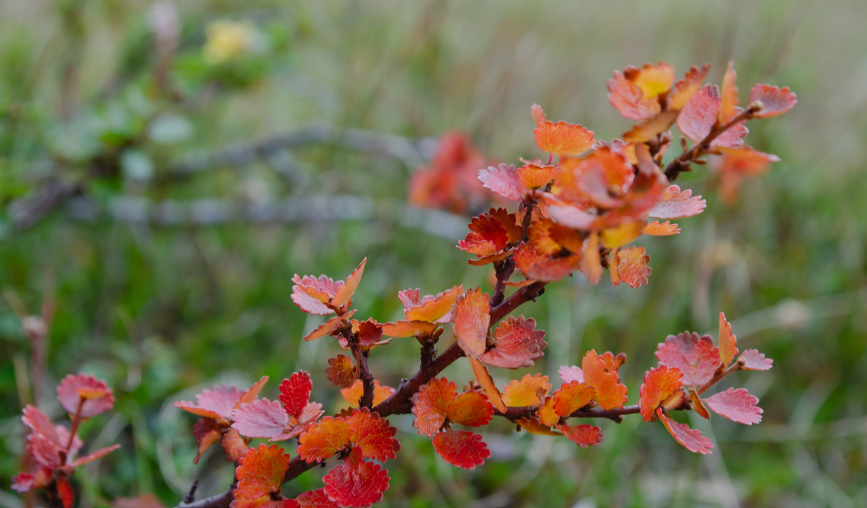
Dwarf birch is a low-growing shrub, typically reaching 20–60 centimeters (8–24 inches) in height, though in some protected areas it may grow up to 1 meter (3 feet) tall. The stems are slender and often woody at the base, with small, rounded or ovate leaves that are green in summer and turn yellow or red in autumn.
The plant produces small catkins in spring that are typical of birches. Dwarf birch is slow-growing compared to larger birches but is extremely hardy, tolerating strong winds, frost, and nutrient-poor soils. Its compact, dense growth habit helps it survive in tundra and alpine ecosystems.
Distribution & Habitat
Dwarf birch is native to the arctic and subarctic regions of Europe, Asia, and northern North America. It is commonly found in tundra landscapes, alpine meadows, bogs, and wet heathlands, where cold temperatures and short growing seasons limit the growth of taller trees.
The species prefers acidic, poorly drained soils and often forms dense mats or thickets that help prevent soil erosion. Its natural habitat is characterized by harsh winters, cool summers, and strong winds, which the dwarf birch is specially adapted to withstand.
Conservation
Dwarf birch (Betula nana) is generally considered a species of least concern due to its wide distribution across arctic and subarctic regions. However, some local populations are vulnerable to climate change, habitat degradation, and peatland drainage, which can alter the cold, wet ecosystems where it thrives.
Conservation efforts focus on protecting tundra and wetland habitats, maintaining natural hydrology, and monitoring population health in areas affected by global warming. In some northern regions, it is also included in ecological restoration projects to stabilize soils and maintain biodiversity.
Uses
Dwarf birch has ecological, cultural, and practical uses. Ecologically, it is a critical component of tundra and alpine ecosystems, providing shelter and food for small mammals, birds, and insects. Its dense mats help prevent soil erosion and contribute to peatland formation. Historically, indigenous peoples in northern regions have used the twigs and leaves for medicinal purposes and as forage for reindeer and other livestock.
While its wood is too small and brittle for commercial use, it is sometimes used for small crafts or as fuel in traditional settings. Additionally, dwarf birch is increasingly used in landscaping and ecological restoration in cold, wet, or alpine environments where other shrubs or trees may struggle.
Varieties and Cultivars
Dwarf birch has few formally named cultivars because it is primarily valued for ecological rather than ornamental purposes. However, natural variation occurs across its broad arctic and alpine range, including differences in leaf size, growth habit, and cold-hardiness. These naturally adapted forms are sometimes selected for restoration projects or specialized cold-climate landscaping.
In some botanical collections, dwarf birch is cultivated alongside other alpine shrubs to showcase its compact form, colorful autumn foliage, and hardy nature. Its genetic diversity is important for adapting to changing climates in northern ecosystems.
Growth Rate
Dwarf birch (Betula nana) is a slow-growing shrub compared to larger birch species. In optimal conditions, it typically grows only a few centimeters per year, gradually forming dense mats or low thickets over time. Its growth is highly influenced by climate, soil quality, and moisture availability.
While slow-growing, the species is extremely hardy and long-lived, with individual plants able to persist for several decades in harsh tundra or alpine conditions. Its compact growth habit and resilience make it an important pioneer species in cold, nutrient-poor habitats.
USDA Zones
Dwarf birch is adapted to cold climates and thrives in USDA Hardiness Zones 1–6. These zones cover arctic, subarctic, and alpine regions where winters are long and temperatures are consistently low. The species prefers full sun to partial shade and grows best in moist, acidic, and well-drained soils, although it tolerates waterlogged or peat-rich conditions typical of tundra and bogs.
Its extreme cold hardiness makes it suitable for northern landscaping, alpine gardens, and ecological restoration in high-latitude or high-altitude environments.
Problems
Dwarf birch faces relatively few natural pests due to the harsh environments it inhabits, but it can be affected by leaf-mining insects, fungal infections, or browsing by herbivores such as reindeer, elk, and hares. Environmental challenges, particularly climate change, pose the greatest threat: warming temperatures can alter soil moisture, increase competition from taller shrubs and trees, and reduce suitable tundra habitat.
Human activities, such as peatland drainage, mining, or overgrazing, can also damage populations. Conservation of its cold, wet habitats and careful monitoring are essential for maintaining healthy dwarf birch populations in its native range.