Botanical Classification
Downy birch is a deciduous hardwood tree belonging to the genus Betula, which is part of the family Betulaceae. Its scientific name is Betula pubescens, and it is commonly known as downy birch or white birch. The species falls under the order Fagales, which includes beeches, oaks, and other important hardwoods.
Downy birch is closely related to the silver birch (Betula pendula), but it is distinguished by its softer, hairy shoots and leaves, as well as a generally more rounded growth habit. This species is widely distributed across northern Europe and parts of northern Asia, making it an important component of boreal and temperate forests.
Description / Characteristics
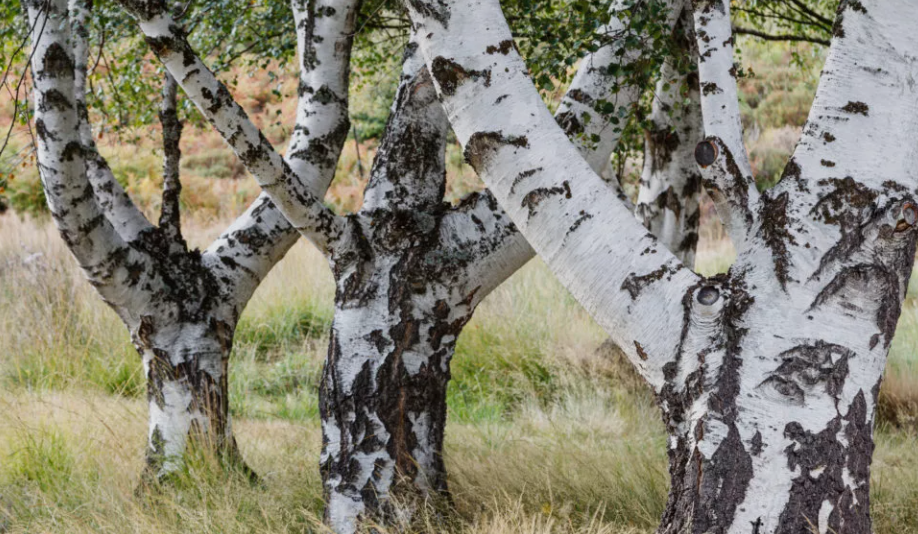
Downy birch is a medium-sized deciduous tree, typically reaching 10–20 meters (35–65 feet) in height. Its bark is smooth and pale, often grayish-white, and tends to become fissured and slightly rough at the base as the tree ages. Young shoots, twigs, and leaves are covered with fine hairs, giving the tree a soft, downy texture—hence its common name.
The leaves are ovate to nearly round with serrated margins and turn yellow in autumn. Downy birch produces slender catkins in spring, which are the tree’s reproductive structures. Its growth habit is generally rounded or slightly spreading, creating a dense crown, and the species is moderately fast-growing, particularly in moist, fertile soils.
Distribution & Habitat
Downy birch is native to northern Europe, including the United Kingdom, Scandinavia, and Russia, and it extends into parts of northern Asia. It is highly adaptable and commonly found in wetlands, riverbanks, bogs, and other damp or poorly drained soils, although it can also grow in upland forests.
The species thrives in temperate to subarctic climates and tolerates cold winters, making it an important pioneer species in boreal and mixed forests. Downy birch often establishes in open or disturbed areas, helping stabilize soil and facilitate the succession of other forest species. Its adaptability to wet conditions distinguishes it from the closely related silver birch, which prefers drier soils.
Conservation
Downy birch (Betula pubescens) is generally not considered threatened and maintains stable populations across its native range in northern Europe and parts of northern Asia. Its resilience and adaptability to wet, poorly drained soils help it persist even in challenging habitats such as bogs, riverbanks, and wetlands.
However, local populations can be affected by peatland drainage, wetland conversion for agriculture, and urban development. Conservation efforts focus on preserving wetland habitats, protecting natural forests, and promoting sustainable forestry practices to maintain healthy populations of downy birch and associated biodiversity.
Uses
Downy birch has several practical and ecological uses. The wood is light, soft, and moderately strong, suitable for furniture, plywood, veneer, and small crafts. Historically, it has also been used for fuelwood and pulp production. Ecologically, downy birch plays a key role in wetland and boreal forest ecosystems by stabilizing soils, supporting wildlife, and acting as a pioneer species in disturbed areas.
Its dense crown provides shelter for birds and small mammals, while its catkins serve as a food source for insects. In landscaping and ecological restoration projects, downy birch is valued for its tolerance to wet soils and its ability to establish quickly on challenging sites.
Varieties and Cultivars
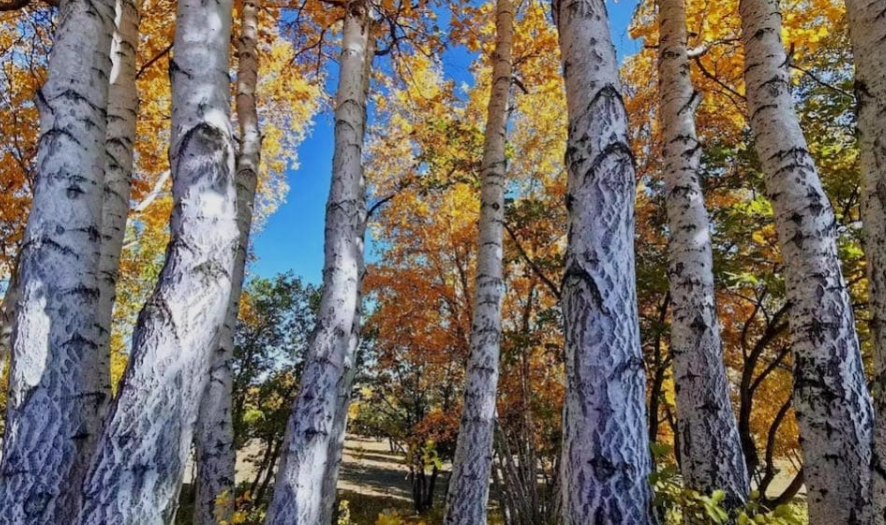
While most downy birches grown in forests are the natural form of Betula pubescens, a few ornamental cultivars have been selected for horticultural use. Notable examples include Betula pubescens ‘Youngii’, a weeping form with pendulous branches, and Betula pubescens ‘Fastigiata’, which has an upright, columnar growth habit.
Natural variation is also observed in leaf shape, bark texture, and growth form across its wide geographic range, providing additional options for landscaping and urban planting. These cultivars are often chosen for ornamental appeal, compact growth, or adaptability to wetter soils in gardens and parks.
Growth Rate
Downy birch (Betula pubescens) is a moderately fast-growing tree. Young trees typically grow about 30–60 centimeters (1–2 feet) per year under favorable conditions, reaching maturity within 20–30 years. Its growth is faster in moist, fertile soils and slower in poor or dry conditions.
While not as rapid-growing as some pioneer species, downy birch establishes quickly in wetlands and disturbed areas, which makes it valuable for soil stabilization and ecological restoration. Its lifespan is relatively short to moderate for a hardwood, usually around 50–70 years, although some individuals may live longer in optimal conditions.
USDA Zones
Downy birch thrives in cool temperate to subarctic climates and is suitable for USDA Hardiness Zones 2–6. These zones cover areas with cold winters and mild to moderate summers, reflecting its native range across northern Europe and northern Asia.
The species prefers full sun to partial shade and grows best in moist, well-drained soils, although it can tolerate poorly drained or boggy sites that other birches cannot. Its tolerance to cold and wet conditions makes it a resilient option for northern landscaping and ecological restoration projects.
Problems
Downy birch is susceptible to several pests and environmental stresses. Common pests include birch leaf miners, aphids, and the bronze birch borer, although infestations are usually less severe than in silver birch due to the species’ preference for wetter soils. Fungal diseases, such as leaf spot, canker, and rust, may occur, especially on stressed trees.
Environmental factors like drought, soil compaction, or excessive shade can reduce vigor and increase susceptibility to pests and disease. Careful site selection, consistent soil moisture, and monitoring for pest activity are essential for maintaining healthy downy birch populations in both natural and cultivated settings.