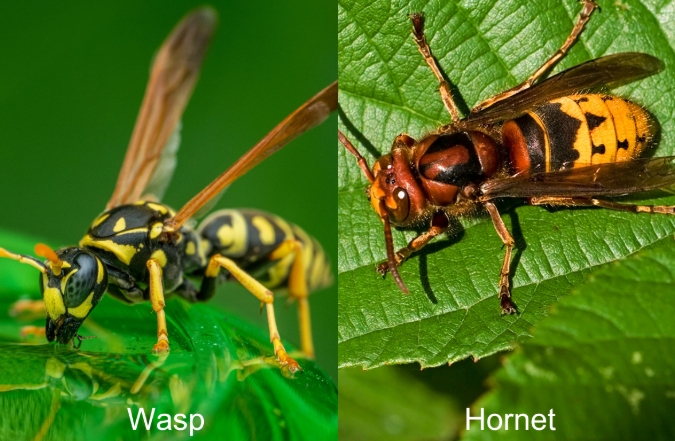
Hornets and wasps are closely related insects that belong to the same group, but they show noticeable differences in size, behavior, and lifestyle. Both are known for their slender bodies, narrow waists, and ability to sting, which they use mainly for defense or hunting. While they are often feared, they play important roles in nature.
Hornets are generally larger and more robust than most wasps. They tend to have thicker bodies and can appear more intimidating because of their size and louder flight. Despite their reputation, hornets are not usually aggressive unless their nest is disturbed, but they can defend it strongly if threatened.
Wasps, on the other hand, include a wide variety of species with different habits and appearances. Some are social, living in colonies, while others are solitary and build nests alone. They are often more visible around human spaces, especially where food is available, which can make encounters more common.
Both hornets and wasps are skilled hunters. Many feed on other insects such as caterpillars, flies, and even pests that damage crops. This makes them beneficial to ecosystems, as they help control insect populations and maintain balance in the environment.
Their nests can vary widely depending on the species. Some build paper-like nests attached to trees or buildings, while others create underground homes. These nests are made from chewed wood fibers mixed with saliva, forming a strong, lightweight material.
Although their stings can be painful, hornets and wasps usually do not attack without reason. Most stings happen when people accidentally disturb them or get too close to their nests. Understanding their behavior and giving them space can help reduce negative encounters while allowing them to continue their useful role in nature.
Hornet vs Wasp
Size and Appearance
Hornets are generally larger and heavier than typical wasps. They tend to have thicker bodies, broader heads, and a more robust look overall. Wasps, on the other hand, are usually slimmer with a narrow “waist” and appear more delicate and elongated.
Aggression and Behavior
Hornets are often less aggressive unless their nest is disturbed, but they can become highly defensive in groups. Wasps are more easily provoked and tend to be more aggressive around food or human activity, especially during warmer months.
Nesting Habits
Hornets build large, enclosed paper nests that are often found in trees or shrubs. Wasps may build similar paper nests, but many species create smaller, open-comb nests under roofs, eaves, or in sheltered spaces.
Diet and Hunting Style
Hornets are powerful hunters that often prey on larger insects like bees, flies, and even other wasps. They can chew prey into pulp to feed their larvae. Wasps also hunt insects but are more opportunistic, feeding on nectar, fruits, and human food in addition to smaller prey.
Sting Potency and Effect
Hornet stings are typically more painful due to their larger size and the amount of venom delivered. While both hornets and wasps can sting multiple times, hornet stings often feel more intense. However, both can be dangerous if someone is allergic.
Social Structure and Colony Size
Hornets usually live in larger, more organized colonies with a clear hierarchy, including a queen and many workers. Wasps can also be social, but some species are solitary, and even social wasps often have smaller colonies compared to hornets.
Coloration and Markings
Hornets usually have more muted colors like brown, reddish-orange, or dull yellow with softer patterns. Wasps, especially common types like yellowjackets, tend to have bright, high-contrast yellow and black stripes that act as a warning to predators.
Flight Pattern and Sound
Hornets produce a deeper, louder buzzing sound due to their larger wings and bodies. Their flight can feel heavier and more deliberate. Wasps make a higher-pitched buzz and often move more quickly and erratically, darting from place to place.
Role in the Ecosystem
Hornets mainly act as predators, helping control populations of other insects, including pests. Wasps also control pests but play a bigger role in pollination since many species regularly visit flowers for nectar.
Seasonal Activity
Hornets are most active during late summer and early autumn when their colonies are at peak size. Wasps follow a similar pattern, but they are often more noticeable earlier in the warm season and remain active around human environments for longer periods.
Reaction to Human Food
Wasps are strongly attracted to sugary drinks, fruits, and leftover food, making them common at picnics and outdoor gatherings. Hornets are less interested in human food and are more focused on hunting live prey.
Distribution and Common Encounters
Hornets are less commonly encountered in everyday settings because they prefer quieter, more natural habitats like forests or large gardens. Wasps are more widespread in urban and suburban areas, so people tend to encounter them more frequently around homes and buildings.
Body Hair and Texture
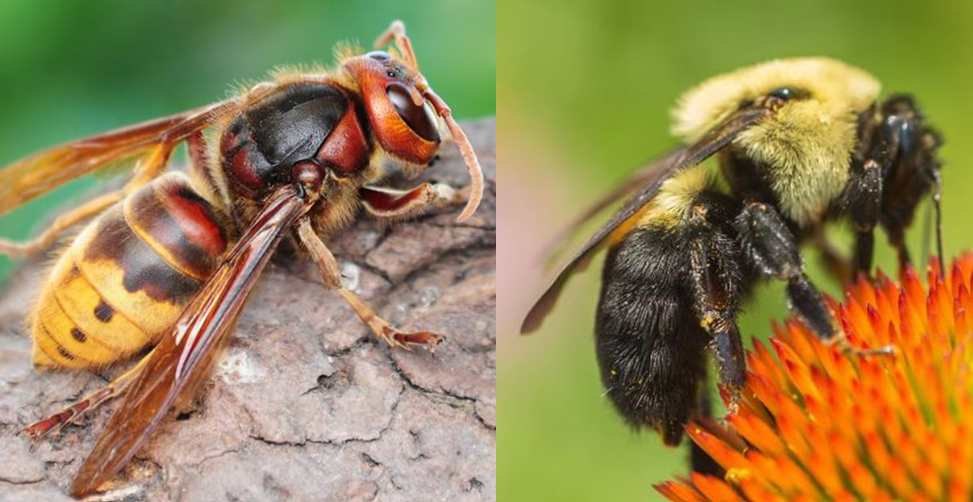
Hornets have relatively smooth, slightly glossy bodies with very little visible hair. Wasps are also not very hairy, but they can appear a bit less shiny and more matte. Compared to bees, both look sleek rather than fuzzy.
Head and Jaw Strength
Hornets have larger, more powerful heads with strong jaws used for chewing prey and defending the nest. This makes them effective hunters capable of cutting up bigger insects. Wasps have smaller jaws, still useful for feeding and nest-building, but generally less robust.
Defensive Behavior Around Nests
Hornets are extremely defensive when their nest is threatened and may attack in coordinated groups. They tend to guard a wider perimeter. Wasps also defend their nests but often react faster to nearby disturbances, even if the threat is minor.
Lifespan and Colony Cycle
Hornet colonies typically grow larger and last longer through the warm season, with a single queen starting a new colony each year. Wasps follow a similar life cycle, but many species have shorter-lived colonies or smaller populations, depending on the environment and species type.