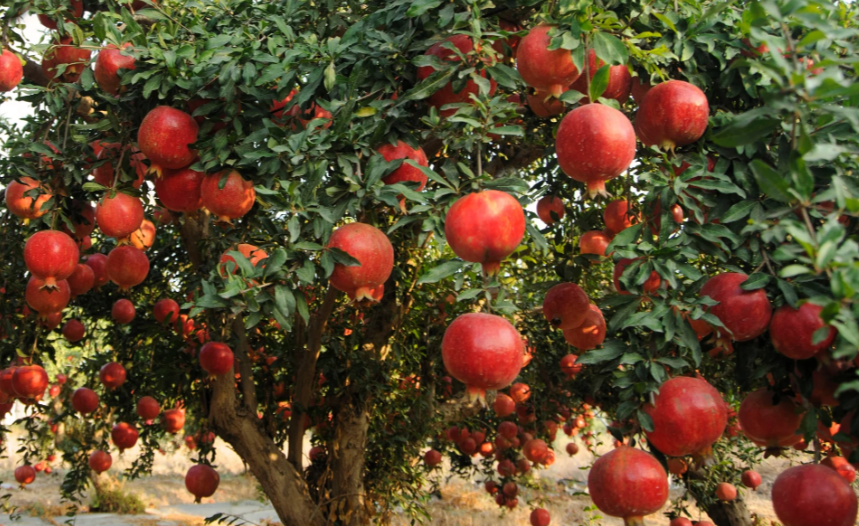
Some exotic fruit trees are naturally adapted to survive cold climates, making them suitable for temperate regions where tropical varieties would fail. These trees have developed mechanisms to tolerate frost, freezing temperatures, and seasonal dormancy, allowing them to maintain their growth cycles despite harsh winters.
Cold-hardy exotic trees often have strong, woody stems and deep root systems that provide protection from freezing soil and harsh winds. Their buds, branches, and root tissues are more resilient than typical tropical trees, enabling them to withstand prolonged periods of low temperatures without damage.
Winter survival is enhanced by proper planting techniques. Choosing sheltered sites, ensuring well-drained soil, and adding protective mulches around the base help the trees endure freezing conditions. These practices reduce stress and prevent frost-related injury to young or newly planted trees.
While they can tolerate cold, these trees still require periods of warmth for flowering and fruiting. Dormancy during winter conserves energy and protects sensitive tissues, while the return of warmer temperatures triggers growth and fruit development. This balance of cold tolerance and growth requirements makes them uniquely suited for cooler climates.
Cold Hardy Exotic Fruit Trees
Kiwi (Hardy Varieties)
Hardy kiwi vines can survive winter temperatures down to around −20°C (−4°F) once dormant. Unlike tropical kiwis, these varieties thrive in temperate climates and produce small, sweet, green fruits packed with vitamin C. Proper support structures and winter protection for young vines ensure successful fruiting.
Pawpaw
Pawpaw trees are native to temperate regions and can tolerate cold winters. Their fruits are tropical in flavor but the trees are resilient to frost when dormant. They prefer partially shaded areas and rich, well-drained soil for optimal growth and fruit production.
Hardy Pineapple (Varieties for Cooler Climates)
Certain pineapple varieties, bred for cooler climates, can survive light frosts if protected during winter. They produce tropical-style fruits in subtropical or temperate regions, though growth is slower and mulching helps protect roots from cold damage.
Jujube
Jujube trees are extremely hardy and can survive sub-zero temperatures in temperate zones. The fruits are sweet and chewy, and the trees tolerate drought and cold, making them ideal for regions with fluctuating climates.
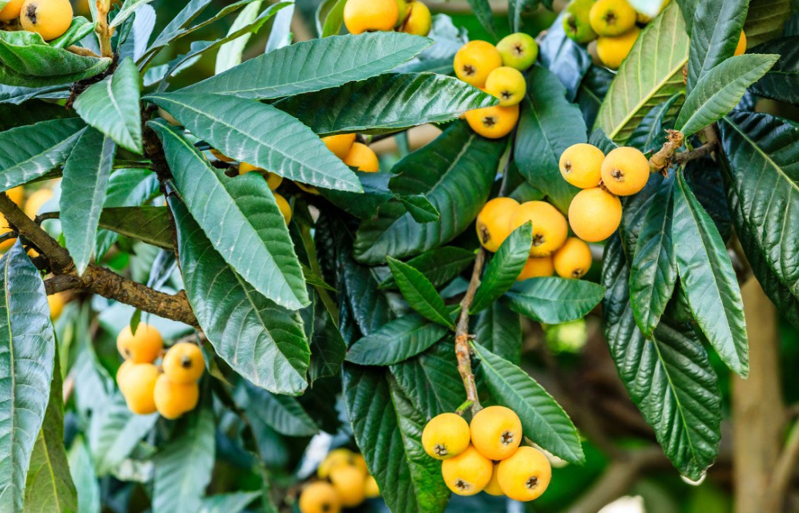
Medlar
Medlar trees are resilient to cold and frost, producing unique, brownish fruits traditionally eaten when softened. They are slow-growing but hardy, able to withstand winter temperatures that would damage less resilient exotic species.
Sea Buckthorn
Sea buckthorn bushes are highly tolerant of cold, thriving in regions with harsh winters. The bright orange berries are rich in nutrients and antioxidants. Their woody stems survive freezing temperatures, allowing reliable fruit production year after year.
Mulberry (Cold-Tolerant Varieties)
Certain mulberry varieties can withstand winter frost while producing sweet, juicy berries. These hardy trees adapt well to temperate climates and are resilient against both cold and wind, making them excellent for exotic fruit cultivation in cooler regions.
Goji Berry (Wolfberry)
Goji berry shrubs are cold-hardy and can survive freezing temperatures during winter. They produce bright red, nutrient-rich berries even in temperate climates. The plants are low-maintenance and adapt well to a variety of soils.
Arctic Raspberry
Arctic raspberries are specially adapted to survive cold winters and harsh conditions. The fruits are sweet and slightly tart, and the plants can thrive in regions where typical tropical or subtropical berries would fail.
Hardy Persimmon
Certain persimmon varieties are cold-hardy, surviving freezing winters in temperate climates. These trees produce sweet, orange fruits and are resilient to frost, drought, and variable weather conditions once established.