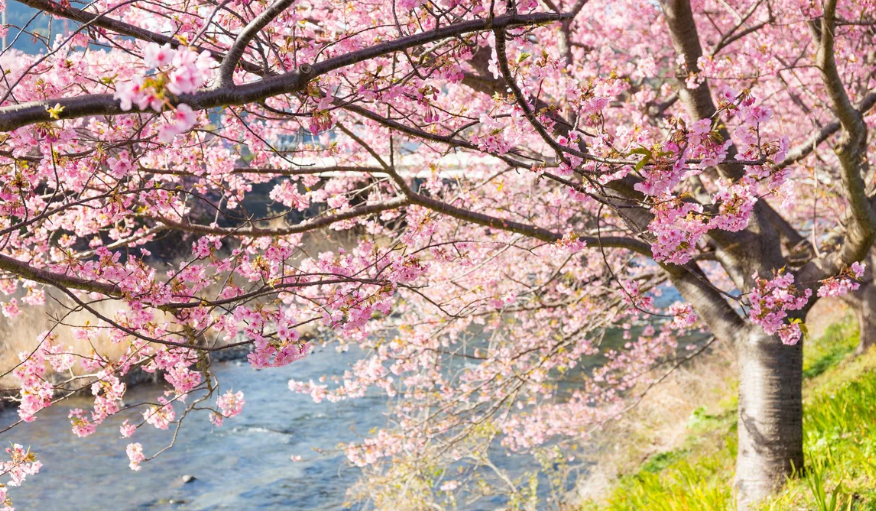
USDA Zone 8 is characterized by average annual minimum temperatures ranging from about −12°C to −7°C (10°F to 20°F). This climate offers moderately cold winters and warm to hot summers, creating a balanced environment for a wide range of plants. Frosts are more common than in warmer zones, but they are typically not severe enough to damage well-adapted species. The growing season is fairly long, and the presence of a defined winter period allows many temperate plants to enter proper dormancy, which is essential for healthy growth and flowering.
Areas that fall within USDA Zone 8 are found in various parts of the world. In the United States, this includes much of the Pacific Northwest, parts of the southeastern states, and regions of the southern Midwest. Globally, similar conditions occur in parts of southern Europe, northern Africa, East Asia, and sections of South America. These regions often experience a mix of seasonal variation, with enough winter chill and summer warmth to support diverse agricultural and horticultural activities.
Growing cherry trees in Zone 8 is generally more straightforward than in warmer zones because the climate provides sufficient winter chill for many traditional varieties. Both sweet and sour cherries can perform well, as they receive enough cold exposure to break dormancy and produce blossoms in spring. The moderate winters reduce the risk of extreme cold damage, while still meeting the chilling requirements needed for reliable fruiting.
In general, cherry trees in Zone 8 benefit from full sun, well-drained soil, and consistent care throughout the year. Proper pruning helps maintain structure and encourages good airflow, reducing the risk of disease. While late spring frosts can occasionally affect blossoms, careful site selection—such as planting on slightly elevated ground—can help minimize this risk. With suitable conditions and maintenance, cherry trees in Zone 8 can thrive and produce abundant, high-quality fruit.
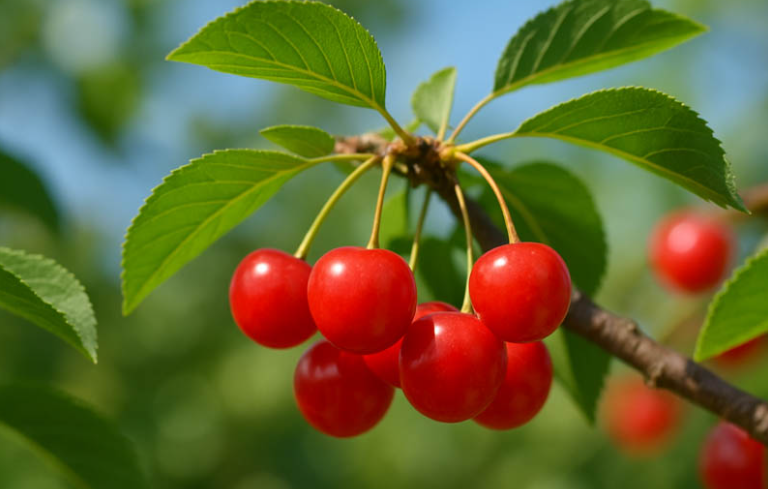
Cherry Trees for Zone 8
Bing
Bing is the quintessential sweet cherry, beloved for its large, firm, deep mahogany fruit and intensely rich flavor. Zone 8’s cooler winters provide enough chill hours to satisfy its requirements, making it a strong performer in this zone. It is not self-fertile, so planting it alongside a compatible variety like Black Tartarian or Rainier will ensure a full and rewarding harvest.
Rainier
Rainier is a prized specialty cherry with a beautiful golden-yellow skin blushed with red and a flavor that is exceptionally sweet and almost honey-like. It thrives in Zone 8, where the winters are cool enough to meet its chill-hour needs without being excessively harsh. The fruit is softer than dark cherries and should be harvested promptly at peak ripeness for the best eating experience.
Black Tartarian
Black Tartarian is a time-honored heirloom variety that has been grown in home orchards for generations, and for good reason. Its deep purplish-black cherries are juicy, tender, and wonderfully sweet, ripening earlier in the season than most other varieties. It is also an excellent pollinator for many other cherry trees, making it a doubly valuable addition to any Zone 8 orchard.
Lapins
Lapins is a self-fertile sweet cherry that produces large, mahogany-red fruit with a firm texture and rich, satisfying flavor. It adapts well to Zone 8 conditions and does not require a pollination partner, which makes it an especially convenient choice for gardeners with limited space. The tree is vigorous and upright, establishing itself relatively quickly and beginning to bear fruit within a few years of planting.
Stella
Stella is one of the most popular self-pollinating cherry varieties in cultivation, valued for its reliability, adaptability, and consistent productivity. It bears sweet, dark red cherries early in the season and performs well across a range of conditions within Zone 8. Its forgiving temperament and self-fertile nature make it a top recommendation for both beginner and experienced cherry growers alike.
Sweetheart
Sweetheart is a late-ripening self-fertile variety that extends the cherry harvest well into early summer, which is a valuable asset for home growers wanting to stagger their fruit production. The cherries are medium to large, bright red, firm, and pleasantly sweet, holding their quality well even after picking. Its adaptability to varying chill-hour levels and its self-pollinating nature make it a versatile and dependable choice for Zone 8 gardens.
Montmorency
Montmorency is the most widely grown sour cherry in North America, and it performs beautifully in Zone 8’s cooler winters. The bright red, tart fruit is exceptional for baking, preserves, juices, and dried cherries, and the tree itself is hardy and disease-resistant. It is self-fertile, productive, and relatively low-maintenance, making it one of the easiest cherries to grow for home orchardists seeking culinary varieties.
Van
Van is a classic sweet cherry variety that has earned a strong reputation for consistent productivity and excellent flavor. The fruit is medium-sized, dark red, and firm with a sweet, well-balanced taste, and it ripens in mid-season just after Bing. Van is also a superb pollinator for other sweet cherry varieties, making it both a productive fruiter and a valuable companion tree in a mixed orchard.
Sam
Sam is a vigorous, reliable sweet cherry that produces medium to large dark fruit with a firm texture and a rich, sweet flavor. It performs very well in Zone 8 and is widely regarded as one of the best pollinators available for other sweet cherry varieties. The tree grows with strong, upright form and tends to establish and begin fruiting relatively quickly, rewarding patient growers with generous crops.
Craig’s Crimson
Craig’s Crimson is a self-fertile, compact cherry developed to suit lower chill-hour environments, and it transitions beautifully into the cooler conditions of Zone 8. The deep red fruit is sweet, flavorful, and visually striking, and its smaller tree size makes it a practical option for gardeners working with limited space. It can even be grown successfully in a large container, making it one of the most flexible cherry varieties available.
Morello
Morello is a classic sour cherry with deep, almost blackish-red skin and tart, intensely flavored flesh that is beloved by bakers and preservers worldwide. It is self-fertile, shade-tolerant, and more adaptable to a range of growing conditions than most sweet cherries, thriving easily in Zone 8. The fruit is not typically eaten fresh but transforms magnificently into jams, pies, liqueurs, and sauces.
Utah Giant
Utah Giant lives up to its name, producing some of the largest and most impressive dark red cherries you will find on a home orchard tree. The fruit is sweet, firm, and richly flavored, ripening in mid-season with excellent eating quality straight from the tree. It grows vigorously and establishes well in Zone 8, particularly in areas with reliably cool winters, and benefits from a compatible pollinator to achieve its best yields.
Royal Ann (Napoleon)
Royal Ann, also known as Napoleon, is a beautiful and historic sweet cherry variety with golden-yellow skin blushed with pink and a sweet, delicate flavor. It thrives in Zone 8’s temperate winters and is widely used both for fresh eating and for commercial canning, particularly as the base for maraschino cherries. The tree is a strong grower and benefits from cross-pollination with varieties like Bing or Van for optimal fruit production.
Kristin
Kristin is an exceptionally cold-hardy sweet cherry that also adapts well to the milder end of cold climates, including Zone 8. The fruit is large, dark, and sweet with a firm bite, and it ripens in mid-season with reliable consistency. It serves as a good pollinator for other sweet cherry varieties and is a strong choice for Zone 8 growers who want a tough, productive tree that requires minimal fuss.
Compact Stella
Compact Stella offers all the well-known virtues of the original Stella — self-fertility, sweet dark red fruit, and reliable productivity — in a significantly smaller tree that tops out at roughly half the size. This makes it an outstanding option for Zone 8 gardeners who want a full-flavored cherry harvest without committing to a large, spreading tree. It works well in smaller garden beds, orchard borders, and even large containers on patios or decks.