Botanical Classification
Bog birch is a deciduous shrub or small tree belonging to the genus Betula, within the family Betulaceae. Its scientific name is Betula pumila, and it is commonly known as bog birch due to its preference for wet, acidic habitats. The species falls under the order Fagales, which includes other important hardwood trees such as oaks, beeches, and alders.
Bog birch is closely related to other small birches like dwarf birch (Betula nana) and downy birch (Betula pubescens), but it is specifically adapted to wetlands, bogs, and riparian areas in northern North America.
Description / Characteristics
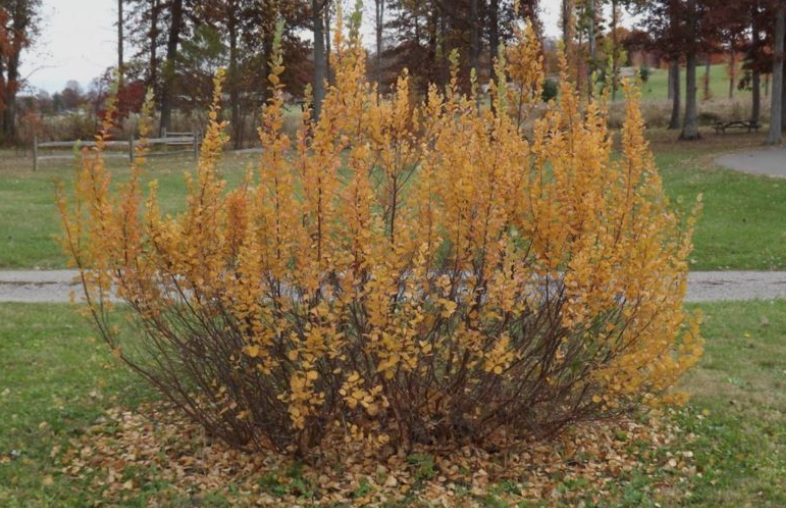
Bog birch is a low-growing shrub, typically reaching 1–3 meters (3–10 feet) in height, though it can occasionally form small tree-like structures in sheltered sites. The stems are slender and upright, with smooth, grayish-brown bark that may become slightly fissured with age. Leaves are small, ovate to elliptical, finely serrated, and turn yellow in the fall.
The species produces catkins in spring, with male and female flowers often on the same plant. Bog birch grows in dense clumps or thickets, spreading through both seed and vegetative shoots, forming a mat-like structure that stabilizes wet soils. It is slow-growing but highly hardy, able to tolerate wet, acidic, and nutrient-poor conditions.
Distribution & Habitat
Bog birch is native to northern North America, including much of Canada and the northern United States. It is commonly found in bogs, swamps, wet meadows, pond margins, and along streams and riverbanks. The species prefers acidic, waterlogged soils and thrives in full sun to partial shade.
Its natural habitats are typically cold temperate to subarctic regions, with long winters, short growing seasons, and high moisture availability. Bog birch plays an important ecological role in stabilizing wetland soils, reducing erosion, and providing shelter and food for wildlife such as birds, small mammals, and insects.
Conservation
Bog birch (Betula pumila) is generally considered a species of least concern, as it has a wide distribution across northern North America and thrives in wetland habitats that are often less impacted by development. However, local populations can be affected by peatland drainage, wetland conversion for agriculture, and urban expansion.
Climate change also poses a potential threat by altering hydrology and temperature patterns in northern wetlands. Conservation efforts focus on protecting bogs, swamps, and other wetland ecosystems, promoting natural regeneration, and maintaining hydrological conditions that support the species and associated wetland biodiversity.
Uses
Bog birch has ecological, practical, and ornamental uses. Ecologically, it stabilizes soils in wetlands, prevents erosion along riverbanks, and provides food and shelter for birds, small mammals, and insects. Its dense thickets offer nesting sites and cover in northern ecosystems. While its wood is too small and slender for commercial timber, it can be used for small craftwork or as kindling.
In landscaping, bog birch is valued for wetland restoration projects, wildlife gardens, and naturalized areas where its tolerance to acidic, waterlogged soils makes it a hardy choice. The species is also appreciated for its autumn foliage, which turns bright yellow.
Varieties and Cultivars
Bog birch does not have many formally named cultivars, as it is primarily valued for ecological purposes rather than ornamental planting. However, natural variation occurs across its range in leaf size, growth habit, and branching density, which can be exploited in restoration or landscaping projects.
Occasionally, selections with compact or more upright growth habits are used in wetland gardens and northern landscaping. Its natural diversity in form and adaptability to wet, acidic soils makes it a versatile shrub for ecological and conservation plantings.
Growth Rate
Bog birch (Betula pumila) is a slow-growing shrub compared to larger birch species. It typically grows only 5–15 centimeters (2–6 inches) per year, gradually forming dense thickets or mat-like colonies over time.
Its growth rate is strongly influenced by soil moisture, nutrient availability, and sunlight. While slow-growing, bog birch is extremely hardy and long-lived in its wetland habitats, often persisting for several decades and providing stable cover in bogs, swamps, and riparian areas.
USDA Zones
Bog birch thrives in cold temperate to subarctic climates and is suitable for USDA Hardiness Zones 2–6. These zones correspond to regions with cold winters and cool summers, reflecting its natural distribution across northern North America.
The species prefers full sun to partial shade and grows best in acidic, waterlogged, or poorly drained soils. Its extreme cold tolerance and adaptability to wet soils make it ideal for wetland restoration, naturalized northern gardens, and ecological plantings in high-latitude or high-moisture environments.
Problems
Bog birch faces relatively few pests due to its wetland habitats, which are less favorable for many insects. However, leaf-mining insects and occasional aphid infestations can occur. Fungal infections such as leaf spot may affect growth in some conditions, particularly if water drainage is poor or the plant is stressed.
Environmental threats, including wetland drainage, peatland exploitation, and climate change, pose the greatest challenges by altering its natural habitat. Overgrazing by herbivores like moose or deer can also limit regeneration in localized areas. Proper site selection, protection of wetland hydrology, and monitoring for pests are essential to maintain healthy populations.