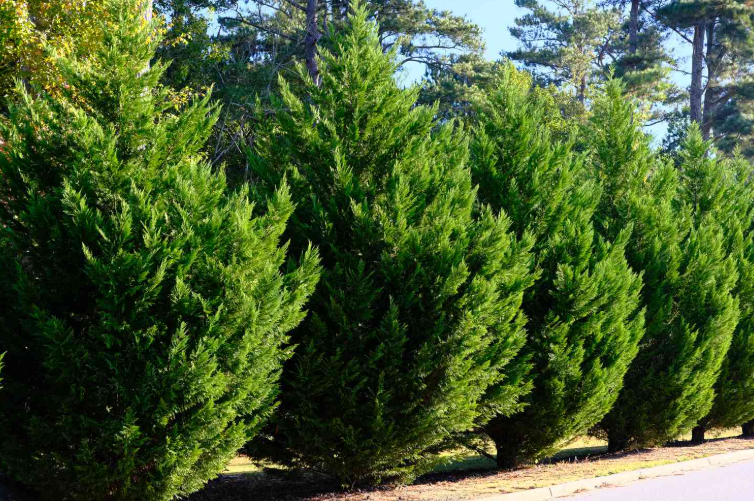
Trees usually act as natural windbreaks, helping to reduce the force of strong winds across open landscapes. When planted in rows or clusters, trees act as barriers that slow down moving air and protect the areas behind them. This natural protection is especially valuable in areas where strong winds can cause environmental or structural damage.
One of the primary benefits of tree windbreaks is their ability to protect soil. Strong winds can lift and carry away loose topsoil, leading to erosion and loss of nutrients. By slowing wind movement, trees help keep soil in place and maintain healthier growing conditions for plants and crops.
Windbreak trees also help protect crops and plants from physical damage. High winds can break stems, strip leaves, and reduce crop yields. When trees form a protective barrier, they create a calmer microclimate that allows crops, shrubs, and smaller plants to grow more successfully.
Windbreaks also help protect agricultural fields and gardens. Crops exposed to constant wind may suffer from broken stems, reduced moisture, and slower growth. Trees create a sheltered zone behind them where wind speeds are reduced, allowing plants to grow more steadily and increasing the chances of better harvests.
Around homes and buildings, trees can make outdoor environments more comfortable. By blocking cold winter winds, they help reduce the chilling effect around houses and may even help lower heating costs. In warmer seasons, windbreak trees can also provide shade and create calmer outdoor living spaces.
Tree windbreaks contribute to environmental health as well. They provide habitat for birds, insects, and small wildlife, creating corridors of biodiversity in agricultural or developed areas. Additionally, windbreaks can help reduce dust, filter airborne particles, and improve the overall quality of the surrounding environment.
For windbreaks to work effectively, they are often designed with multiple rows of trees and shrubs of different heights. This layered structure helps slow wind gradually rather than creating turbulence. When carefully planned and maintained, tree windbreaks serve as long-term natural defenses that protect land, plants, and communities.
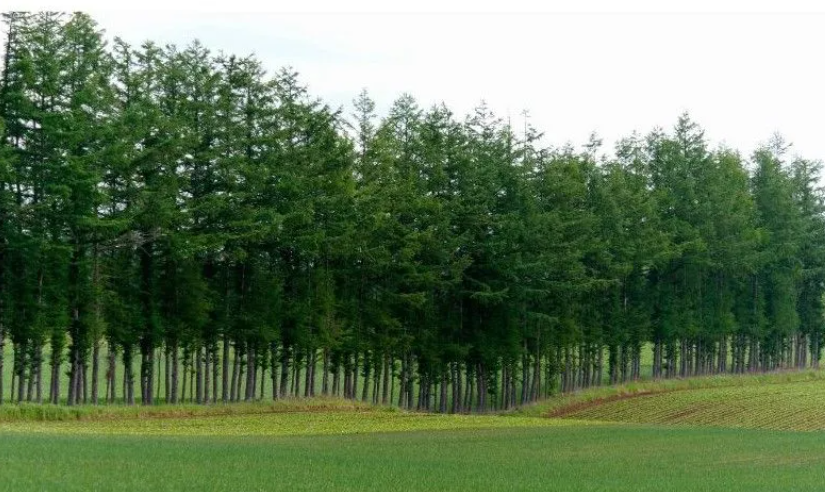
Trees that Withstand Strong Winds
Eastern Red Cedar
Eastern red cedar is one of the best evergreen windbreak trees, providing year-round dense screening from ground to crown that blocks wind effectively. This tough native conifer reaches 40-50 feet tall with dense pyramidal form and tolerates drought, poor soil, heat, cold, and requires minimal maintenance. Eastern red cedar grows moderately fast, establishes easily, and creates impenetrable windbreaks while providing critical winter wildlife cover and food.
Green Giant Arborvitae
Green Giant arborvitae is among the fastest-growing evergreen windbreak trees, adding 3-5 feet annually to create dense screening reaching 40-60 feet. This hybrid combines disease resistance, extreme cold hardiness to -40°F, and dense branching from ground to top that blocks wind year-round. Green Giant requires minimal pruning, tolerates various soils, and quickly establishes effective windbreaks making it extremely popular for rapid wind protection.
Norway Spruce
Norway spruce creates excellent windbreaks with dense evergreen foliage, fast growth of 2-3 feet annually, and pyramidal form reaching 40-60 feet. This cold-hardy European spruce tolerates temperatures to -50°F, various soil types, and develops dense branching that effectively blocks wind. Norway spruce provides year-round wind protection, produces thick lower branches that reach the ground, and establishes quickly making it a windbreak standard.
White Spruce
White spruce is a tough native evergreen that creates dense windbreaks tolerating extreme cold to -60°F and harsh conditions reaching 40-60 feet. This pyramidal conifer features dense branching, blue-green foliage, and adaptability to poor soil, drought, and severe climates. White spruce grows moderately fast, maintains dense foliage to ground level, and provides excellent year-round wind protection for northern regions.
Austrian Pine
Austrian Pine produces dense evergreen windbreaks with dark green needles, salt tolerance, and adaptability to poor soils reaching 40-60 feet. This rugged European pine tolerates urban pollution, salt spray, drought, and various challenging conditions while maintaining dense growth. Austrian pine grows moderately fast, develops thick branching that blocks wind effectively, and thrives where other pines struggle.
Scots Pine
Scots pine creates effective windbreaks with orange-red bark, blue-green needles, and fast growth reaching 40-60 feet in challenging conditions. This extremely hardy European pine tolerates cold to -50°F, poor sandy soil, drought, and maintains dense growth when properly spaced. Scots pine establishes quickly, grows 2-3 feet annually when young, and provides reliable wind protection for harsh northern climates.
Hybrid Poplar
Hybrid poplar provides the fastest growth of any windbreak tree, adding 5-8 feet annually to create quick wind protection reaching 40-80 feet. These vigorous hybrids establish rapidly, tolerate wet or dry soils, and create effective windbreaks within 3-5 years compared to decades for slower species. Hybrid poplar requires more water than conifers, has shorter lifespan of 30-50 years, but delivers unmatched speed for rapid wind protection.
Lombardy Poplar
Lombardy poplar creates distinctive columnar windbreaks with narrow upright form perfect for tight spaces, growing rapidly to 40-60 feet. These fast-growing deciduous trees add 4-6 feet annually, require minimal width, and establish quick vertical barriers against prevailing winds. Lombardy poplar has relatively short lifespan of 20-30 years and loses leaves in winter, but provides rapid summer wind protection and formal appearance.
Black Hills Spruce
Black Hills spruce is a compact variety of white spruce creating dense pyramidal windbreaks with slower growth and denser branching reaching 30-50 feet. This extremely cold-hardy spruce tolerates -60°F, various soils, and develops extremely dense foliage that blocks wind more effectively than standard white spruce. Black Hills spruce grows slower than Norway spruce but creates tighter, denser windbreaks with superior wind-blocking characteristics.
Colorado Blue Spruce
Colorado blue spruce creates striking windbreaks with silver-blue foliage, pyramidal form, and extreme cold hardiness to -50°F reaching 40-60 feet. This iconic western native features stiff branches, dense foliage, and distinctive color that provides both wind protection and ornamental value. Colorado blue spruce tolerates drought once established, grows moderately at 1-2 feet annually, and creates effective year-round windbreaks.
Bur Oak
Bur oak is the best oak for windbreaks, tolerating drought, cold to -40°F, and developing massive spreading crown reaching 70-80 feet. This native oak features deep roots that withstand wind, thick corky bark, and extreme adaptability to harsh prairie and plains conditions. Bur oak grows slowly but lives for centuries, eventually creating massive windbreaks that also provide shade and wildlife value.
Siberian Elm
Siberian elm creates fast-growing windbreaks tolerating extreme cold to -50°F, drought, poor soil, and harsh conditions reaching 50-70 feet. This tough Asian tree grows 3-4 feet annually, establishes easily in challenging sites, and develops dense branching that blocks wind effectively. Siberian elm has brittle wood prone to storm damage and shorter lifespan than better trees, but thrives where few other trees survive.
Leyland Cypress
Leyland cypress creates fast-growing evergreen windbreaks adding 3-4 feet annually with dense columnar form reaching 40-60 feet. This popular hybrid combines rapid growth, dense foliage from ground to crown, and tolerance of various soils creating quick effective windbreaks. Leyland cypress prefers well-drained soil, suffers from several diseases, but provides rapid wind protection in temperate regions where it thrives.
Douglas Fir
Douglas fir creates excellent windbreaks with dense evergreen foliage, moderate growth, and extreme longevity reaching 60-80 feet in cultivation. This western native tolerates various soils, develops dense branching, and lives for centuries while providing year-round wind protection. Douglas fir grows 1-2 feet annually, maintains dense lower branches, and creates durable long-lasting windbreaks for western regions.
Russian Olive
Russian olive creates tough windbreaks tolerating extreme drought, cold to -40°F, salt, and poor soil reaching 20-30 feet. This adaptable small tree features silvery foliage, dense thorny branching, and ability to fix nitrogen while thriving in harsh conditions. Russian olive is invasive in some regions and should be used cautiously, but provides wind protection where almost nothing else survives.
Osage Orange
Osage orange creates impenetrable windbreaks with dense thorny branching, extreme durability, and adaptability to harsh conditions reaching 30-50 feet. This native tree tolerates drought, poor soil, heat, cold, and develops thick thorny growth that blocks wind and wildlife effectively. Osage orange requires regular pruning to maintain, drops messy fruits, but creates livestock-proof windbreaks that last for generations.
American Arborvitae
American arborvitae creates dense evergreen windbreaks with narrow columnar form perfect for tight spaces reaching 30-40 feet. This native conifer features dense scale-like foliage, moderate growth of 1-2 feet annually, and cold hardiness to -40°F. American arborvitae maintains foliage to ground level, tolerates various soils, and creates reliable year-round wind protection in northern regions.
Black Walnut
Black walnut creates valuable windbreaks with deep taproots that anchor against wind, large spreading crown, and dual purpose for wind protection and nut production reaching 50-75 feet. This native hardwood tolerates various soils, produces valuable timber and nuts, and develops massive size that provides substantial wind reduction. Black walnut releases juglone toxin that kills some nearby plants, grows moderately at 2-3 feet annually, but creates long-lasting multi-purpose windbreaks.
Hackberry
Hackberry creates tough adaptable windbreaks tolerating urban pollution, drought, poor soil, and extreme conditions reaching 40-60 feet. This native tree establishes easily, tolerates neglect, and develops spreading crown that reduces wind effectively. Hackberry grows 1-2 feet annually, provides wildlife food through persistent berries, and thrives in challenging sites where better trees struggle.
Ponderosa Pine
Ponderosa pine creates effective windbreaks for western regions with long needles, open branching when mature, and extreme drought tolerance reaching 60-100 feet. This western native features deep roots that anchor against wind, thick fire-resistant bark, and adaptability to dry sites. Ponderosa pine grows 2-3 feet annually when young, tolerates poor soil, and provides year-round wind protection despite more open branching than spruces.
Willow
Willow species create fast-growing windbreaks adding 6-10 feet annually with flexible branches that bend rather than break in wind reaching 30-50 feet. These moisture-loving trees establish easily from cuttings, tolerate wet soil and flooding, and quickly create summer wind protection. Willows lose leaves in winter, have relatively short lifespan, and require moisture, but provide the fastest deciduous windbreak establishment.
Cottonwood
Cottonwood creates fast-growing windbreaks for wet sites adding 4-6 feet annually with massive spreading crown reaching 70-100 feet. This native riparian tree tolerates flooding, establishes rapidly, and develops huge size that provides substantial wind reduction. Cottonwood requires moisture, has brittle wood prone to breakage, and produces cottony seeds, but thrives in wet sites where windbreaks are needed.
White Pine
White pine creates soft-textured evergreen windbreaks with fast growth of 2-3 feet annually and graceful appearance reaching 50-80 feet. This native pine features long soft needles, pyramidal form when young, and adaptability to various well-drained soils. White pine provides year-round wind protection, grows faster than most pines, but suffers from white pine blister rust in some regions.
Honey Locust
Honey locust creates filtered windbreaks with fine-textured foliage, deep roots that withstand wind, and extreme adaptability reaching 50-70 feet. This native tree tolerates drought, poor soil, salt, urban conditions, and fixes nitrogen while providing summer wind reduction. Honey locust loses leaves in winter providing less year-round protection than evergreens, but its toughness and adaptability make it valuable for harsh sites requiring deciduous windbreaks.