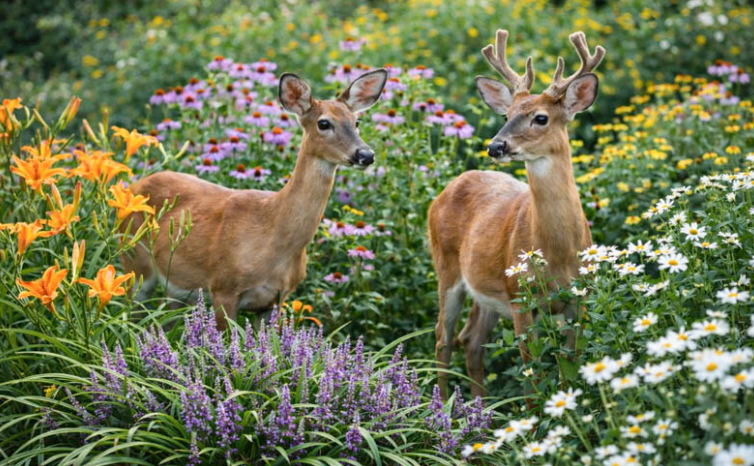
Shrubs play an important role in natural landscapes and are often highly attractive to deer. Many shrubs produce tender leaves, shoots, fruits, and twigs that deer commonly feed on. Because shrubs grow at a height that is easy for deer to reach, they become convenient food sources, especially in areas where natural vegetation may be limited.
One reason deer are drawn to certain shrubs is the availability of nutritious foliage. Young leaves and soft stems provide valuable nutrients that support deer health and growth. During the spring and summer months, shrubs with fresh growth are particularly appealing, as they offer tender plant material that is easy for deer to browse.
Shrubs can also attract deer by producing berries, seeds, or other small fruits. These food sources provide additional energy, especially during late summer and autumn when deer are preparing for colder seasons. Fruiting shrubs can therefore serve as important feeding spots that regularly bring deer into an area.
In addition to food, shrubs offer valuable cover and shelter. Dense shrub growth can provide protection from predators, harsh weather, and human activity. Deer often use shrub thickets as resting areas during the day, where the thick branches and leaves help conceal them from view.
Shrubs also contribute to the natural movement patterns of deer. When shrubs are planted in groups or natural clusters, they can create wildlife corridors that allow deer to travel safely between feeding and resting areas. This makes shrub-rich landscapes more attractive to deer and other wildlife.
For people interested in attracting deer, planting a variety of shrubs can create a welcoming habitat. A mix of shrubs that provide food, shelter, and seasonal interest will support deer throughout the year. In addition to deer, these shrubs often attract birds, pollinators, and other wildlife, helping to create a balanced and lively natural environment.
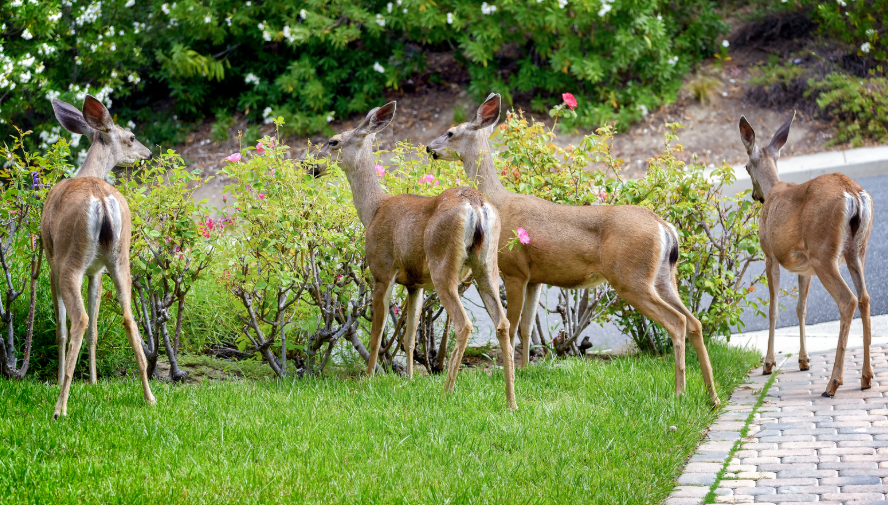
Best Plants to Attract Deer
Winterberry Holly
Winterberry holly produces bright red berries that persist through winter providing crucial cold-weather food when other sources are depleted. This deciduous holly reaches 6-10 feet tall and deer browse the berries, twigs, and foliage especially during harsh winter months. The persistent berries provide emergency nutrition during deep snow when ground vegetation is inaccessible.
Sumac
Sumac produces fuzzy red berry clusters that deer consume throughout winter along with tender new growth in spring and summer. These fast-spreading shrubs reach 10-20 feet tall and create dense thickets that provide both food and cover for deer. The berries persist through winter providing reliable food when deer need it most.
Dogwood (Shrubby varieties)
Shrubby dogwood species including red osier and silky dogwood produce berries and tender stems that deer browse year-round. These moisture-loving shrubs reach 6-12 feet tall and provide high-fat berries in fall along with nutritious twig browse during winter. The combination of berries and tender stems makes dogwood particularly attractive to deer.
American Beautyberry
American beautyberry produces clusters of bright purple berries in fall that deer consume readily along with tender foliage during growing season. This native shrub reaches 4-8 feet tall and produces abundant berries that provide high-energy nutrition for deer preparing for winter. The distinctive purple berries are highly palatable to deer and other wildlife.
Arrowwood Viburnum
Arrowwood viburnum produces blue-black berries in fall and tender foliage that deer browse heavily throughout growing season. This native viburnum reaches 6-15 feet tall and provides both nutritious berries and palatable browse that deer seek out. The berries and foliage make this shrub among the most heavily browsed by deer.
Elderberry
Elderberry produces clusters of dark purple berries in summer that deer consume along with tender shoots and foliage. This fast-growing shrub reaches 10-20 feet tall and provides abundant fruit during late summer when deer need nutrition for antler growth and fawn development. The prolific berry production and palatable foliage attract deer consistently.
Blackberry and Raspberry
Blackberry and raspberry provide tender shoots, leaves, and berries that deer consume heavily despite thorny stems. These spreading shrubs form dense thickets reaching 3-8 feet tall that offer both nutritious browse and protective cover. Deer browse new growth in spring and consume ripe berries in summer despite thorns.
Virginia Sweetspire
Virginia sweetspire produces fragrant white flower spikes and tender foliage that deer browse readily in moist areas. This native shrub reaches 3-6 feet tall and thrives in wet sites where deer frequently travel and feed. The palatable foliage and preference for wet areas make it valuable for attracting deer to water sources.
Buttonbush
Buttonbush grows in wet areas producing spherical white flowers and tender foliage that deer browse when visiting water sources. This wetland shrub reaches 6-12 feet tall and provides both browse and cover in marshy areas where deer feed and hide. The combination of food and wet habitat attracts deer to feeding areas near water.
Coralberry
Coralberry produces coral-red berries that persist through winter providing emergency food along with tender stems deer browse year-round. This low-growing shrub reaches 2-5 feet tall and spreads to form dense colonies providing both food and cover. The persistent berries and spreading habit make it valuable for deer food plots.
Spicebush
Spicebush produces aromatic red berries in fall that deer consume along with tender twigs during winter months. This native understory shrub reaches 6-12 feet tall and provides high-fat berries when deer need energy for winter survival. The aromatic berries and nutritious browse make spicebush attractive to deer despite the strong scent.
Highbush Blueberry
Highbush blueberry produces sweet berries that deer consume heavily along with tender shoots and foliage throughout growing season. This native shrub reaches 6-12 feet tall and provides highly palatable fruit and browse that deer seek out. The sweet berries and nutritious foliage make blueberry among the most preferred deer foods.
Chokeberry (Aronia)
Chokeberry produces dark berries in fall that deer browse along with tender foliage and stems during all seasons. This tough native shrub reaches 6-10 feet tall and provides persistent berries through winter when other foods are scarce. The berries and browse provide reliable deer food in challenging sites.
Serviceberry (Shrub forms)
Serviceberry produces sweet purple berries in early summer that deer consume readily along with tender twigs and foliage. These multi-stemmed shrubs reach 8-15 feet tall and provide highly palatable early-season fruit when deer need nutrition for fawn rearing. The sweet berries and palatable browse attract deer consistently.
Witch Hazel
Witch hazel produces seeds that deer consume along with tender twigs and foliage despite the plant’s medicinal compounds. This large shrub reaches 15-20 feet tall and provides browse during winter when food sources are limited. Deer consume witch hazel browse despite lower palatability when preferred foods are unavailable.
Nannyberry Viburnum
Nannyberry viburnum produces blue-black berries that deer consume heavily along with tender shoots and foliage throughout the year. This tall shrub reaches 15-20 feet tall and provides abundant berries in fall along with nutritious browse. The combination of palatable berries and browse makes nannyberry highly attractive to deer populations.
Red Osier Dogwood
Red osier dogwood produces white berries and bright red stems that deer browse heavily, especially the tender new growth in spring. This moisture-loving shrub reaches 6-9 feet tall and provides both nutritious berries and highly palatable stem browse that deer consume year-round. The combination of berries, tender stems, and preference for wet areas where deer travel makes red osier dogwood exceptionally attractive to deer.
Wild Rose
Wild rose provides tender shoots, leaves, flowers, and rose hips that deer consume despite thorny stems protecting the branches. These spreading shrubs reach 3-8 feet tall and produce vitamin-rich rose hips in fall that persist through winter providing crucial nutrition. Deer browse wild rose heavily in spring when tender new growth emerges and consume hips during winter when other foods are scarce.
Maple-Leaf Viburnum
Maple-leaf viburnum produces dark purple-black berries and large maple-shaped leaves that deer browse throughout growing season. This understory shrub reaches 4-6 feet tall and thrives in shade where deer often bed and travel during daylight hours. The palatable foliage and fall berries combined with shade tolerance make it excellent for attracting deer to wooded areas.
American Hazelnut
American hazelnut produces nutritious nuts that deer consume along with tender catkins, leaves, and stems throughout the year. This native shrub reaches 8-15 feet tall and forms dense thickets providing both high-protein nuts and abundant browse. The nuts provide exceptional nutrition for deer preparing for winter while the foliage and stems offer year-round browse.
Possumhaw Holly
Possumhaw holly produces bright red or orange berries that persist through winter providing critical emergency food during harsh conditions. This deciduous holly reaches 8-15 feet tall and deer consume the persistent berries when deep snow covers ground vegetation. The winter berry availability makes possumhaw particularly valuable for sustaining deer populations during severe weather.