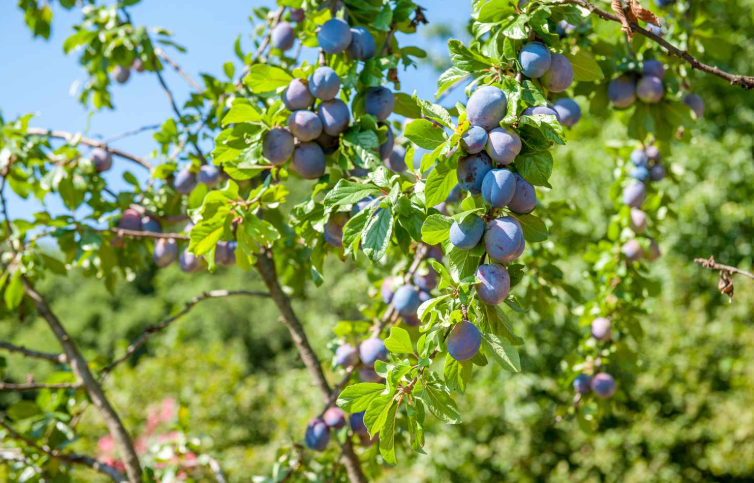
Apples are among the most widely grown and recognized fruits in the world, produced by the tree species Malus domestica. Apple trees belong to the rose family and are believed to have originated in parts of Central Asia before spreading across Europe and eventually to many other regions. Today, apples are grown in a wide range of climates and are valued both for fresh eating and for products such as juice, cider, sauces, and baked goods.
Apple trees are deciduous, meaning they lose their leaves during winter and regrow them in spring. In early spring, the trees produce clusters of delicate blossoms that range from white to pale pink. These flowers are not only attractive but also play a crucial role in fruit production because they must be pollinated before apples can form.
In most cases, apple trees require cross-pollination, which means pollen from one apple variety must fertilize the flowers of another compatible variety. This process is usually carried out by pollinating insects, especially bees. When two compatible apple trees bloom at the same time, pollination is more successful and fruit production tends to be higher.
However, some apple varieties are known as self-pollinating or self-fertile. These trees are capable of producing fruit using their own pollen without requiring a second apple tree nearby. Self-pollinating apples are especially useful in small gardens, urban landscapes, or places where space only allows for a single tree.
Although self-pollinating apple trees can produce fruit on their own, many gardeners still plant more than one variety if space allows. Cross-pollination often improves fruit set, meaning the tree may produce a larger number of apples. Even self-fertile varieties can benefit from the presence of other apple trees in the area.
Because of their beautiful spring flowers, tasty fruit, and relatively manageable size, apple trees remain popular choices for home orchards and backyard gardens.

Self Pollinating Apple Tree Varieties
Golden Delicious
Golden Delicious is one of the most reliably self-pollinating apple varieties, producing sweet yellow apples with minimal disease issues. This versatile apple reaches maturity in late September, stores well for months, and produces consistent crops even when planted alone. Golden Delicious serves dual purpose as both excellent eating apple and reliable pollinator for other varieties, making it valuable for small orchards.
Granny Smith
Granny Smith produces tart green apples excellent for baking and fresh eating on self-fertile trees that don’t require pollinators. This late-season apple ripens in October, stores exceptionally well through winter, and maintains crisp texture for months. Granny Smith thrives in warmer climates with low chill requirements, produces reliably without cross-pollination, and provides classic tart flavor for cooking and eating.
Gala
Gala produces sweet, crisp apples with red-orange stripes on self-pollinating trees that fruit reliably without requiring another variety. This early-season apple ripens in August to September, features exceptional sweet flavor, and has become one of the most popular eating apples. Gala bears fruit young within 2-3 years, produces consistently as a single tree, and provides excellent fresh eating quality.
Braeburn
Braeburn produces crisp, sweet-tart apples with complex flavor on partially self-fertile trees that produce adequate crops alone. This late-season variety ripens in October, stores exceptionally well, and develops rich flavor after several weeks in storage. Braeburn thrives in moderate climates, produces reasonable crops without cross-pollination though yields improve with pollinators, and offers outstanding flavor and texture.
Empire
Empire produces crisp, sweet apples similar to parent McIntosh on self-fertile trees that don’t require cross-pollination. This mid-season variety ripens in September, combines McIntosh flavor with improved storage, and maintains quality for several months. Empire tolerates cold climates, produces consistent crops without requiring another variety, and provides excellent eating quality with McIntosh heritage.
Cox’s Orange Pippin
Cox’s Orange Pippin produces intensely aromatic apples with complex sweet-tart flavor on partially self-fertile trees. This classic English variety ripens in late September, features unmatched aromatic quality, and produces adequate fruit without cross-pollination. Cox’s Orange Pippin requires careful disease management, produces smaller crops when self-pollinated but still worthwhile, and offers supreme flavor quality.
Fuji
Fuji produces exceptionally sweet, crisp apples with dense flesh on partially self-fertile trees that produce reasonable crops alone. This late-season variety ripens in October to November, stores for months maintaining quality, and has become extremely popular for fresh eating. Fuji requires long growing season, produces adequate fruit without pollinators though yields improve with cross-pollination, and provides outstanding sweet flavor.
Jonagold
Jonagold produces large, sweet-tart apples combining Jonathan and Golden Delicious traits on partially self-fertile trees. This mid to late-season variety ripens in September to October, features excellent balanced flavor, and produces reasonable crops without requiring another tree. Jonagold adapts to various climates, yields improve with cross-pollination but produces adequately alone, and offers outstanding eating and cooking quality.
Red Delicious
Red Delicious produces classic elongated red apples on partially self-fertile trees that can fruit without cross-pollination. This mid-season variety ripens in September, features mild sweet flavor, and remains popular despite competition from newer varieties. Red Delicious produces better with cross-pollination but sets adequate fruit alone, stores moderately well, and provides recognizable classic apple appearance.
McIntosh
McIntosh produces aromatic, tender apples with sweet-tart flavor on partially self-fertile trees that produce reasonable crops alone. This early to mid-season variety ripens in September, features distinctive tender texture, and remains popular in northern regions. McIntosh tolerates cold climates, produces adequate fruit without requiring pollinators though benefits from cross-pollination, and offers classic aromatic flavor.
Arkansas Black
Arkansas Black produces dark red apples with extremely dense flesh and complex flavor on self-fertile trees. This very late-season variety ripens in October to November, requires months of storage to develop best flavor, and stores for 6+ months. Arkansas Black produces well without cross-pollination, develops incredible flavor after extended storage, and offers outstanding keeping quality for winter use.
Gravenstein
Gravenstein produces aromatic, crisp apples with excellent sweet-tart balance on partially self-fertile trees that can produce alone. This early-season variety ripens in August, features exceptional fresh eating and sauce quality, and produces reasonable crops without requiring pollinators. Gravenstein adapts to coastal climates, yields improve with cross-pollination but produces adequately alone, and provides outstanding early-season aromatic apples.