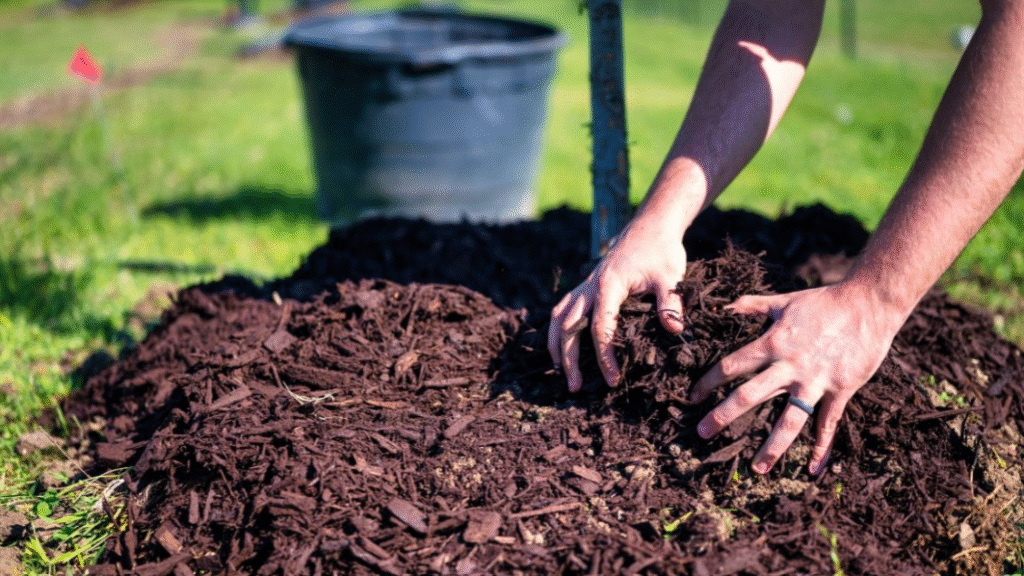
Mulching flower beds is essential for creating vibrant, low-maintenance displays. It suppresses weeds, retains soil moisture, moderates temperature extremes, prevents soil erosion and compaction, reduces disease by minimizing splash-back, and enhances visual appeal by providing a neat, uniform backdrop that makes flowers pop.
For ornamental beds (annuals, perennials, bulbs, or shrubs), aesthetics often take priority over pure functionality—dark or natural-toned mulches create contrast with blooms, while acidic options benefit plants like azaleas, rhododendrons, camellias, and hydrangeas (for blue colors). Organic mulches also feed soil microbes and improve structure over time.
Apply mulch 2–4 inches deep (deeper for weed control), keeping it 1–2 inches away from stems to prevent rot. Refresh annually or as it decomposes. Avoid fresh green materials or anything treated with chemicals. Here are some of the best mulch options for flower beds, based on expert recommendations from gardening sites, extension services, and landscapers. Organic choices dominate for soil health and pollinator support, but some inorganic or specialty types suit specific needs.
Types of Mulch for Flower Beds
Bark Mulch
Bark mulch is made from shredded or chipped tree bark and is a popular choice for flower beds. It helps retain soil moisture, suppress weeds, and regulate soil temperature. As it slowly decomposes, it adds organic matter to the soil, improving structure and fertility while giving beds a neat, natural appearance.
Wood Chips
Wood chips are larger and longer-lasting than shredded mulch, making them ideal for well-established flower beds. They reduce evaporation, prevent soil erosion, and limit weed growth effectively. Their chunky texture allows water to pass through easily while still protecting the soil underneath.
Straw
Straw mulch is lightweight and easy to spread, making it suitable for seasonal flower beds. It helps keep soil cool, reduces moisture loss, and prevents weeds from sprouting. Over time, straw breaks down and enriches the soil, though it may need frequent replacement.
Compost
Compost works as both mulch and soil conditioner. When spread around flowers, it improves moisture retention, feeds beneficial soil organisms, and supplies essential nutrients. Its dark color also warms the soil slightly, encouraging healthy root development and stronger blooms.
Pine Needles
Pine needles, also known as pine straw, form a loose mat that allows air and water to reach the soil. They are long-lasting, resist compaction, and are excellent for preventing erosion on slopes. Pine needles are especially useful in beds with plants that prefer slightly acidic conditions.
Gravel or Pebbles
Gravel mulch offers a decorative and low-maintenance option for flower beds. It does not decompose, making it long-lasting and effective at controlling weeds when paired with landscape fabric. Gravel also improves drainage and is well suited for drought-tolerant or ornamental flower displays.
Cocoa Bean Hulls
Cocoa bean hull mulch is made from the outer shells of cocoa beans and is valued for its rich color and pleasant aroma. It helps conserve moisture, suppress weeds, and gradually breaks down to add organic matter to the soil. Its fine texture creates a polished look in flower beds, though it should be used carefully in areas with pets.
Grass Clippings
Grass clippings are an easily available and eco-friendly mulch option. When applied in thin layers, they help retain soil moisture, reduce weed growth, and return nitrogen to the soil as they decompose. Drying the clippings before use prevents matting and unpleasant odors.
Leaf Mold
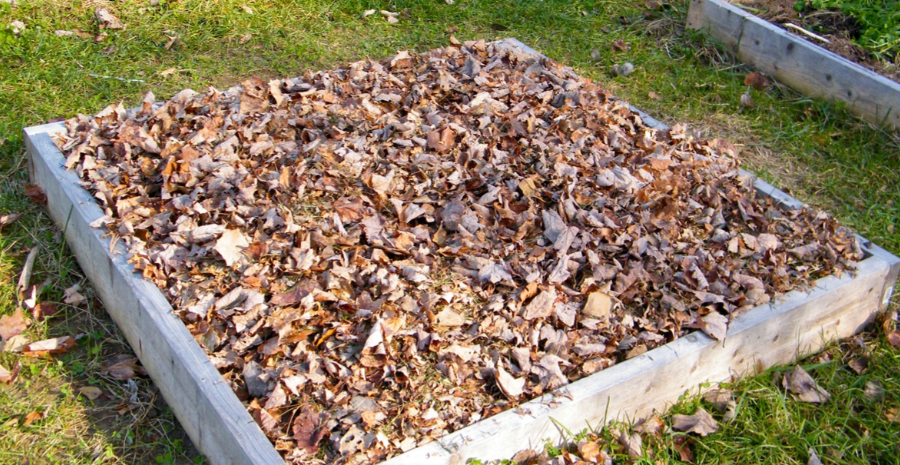
Leaf mold is created from decomposed leaves and is excellent for improving soil structure. It acts as an effective moisture retainer and supports beneficial soil organisms. This mulch is especially useful in flower beds with woodland or shade-loving plants.
Rubber Mulch
Rubber mulch is made from recycled tires and offers long-lasting weed control. It does not decompose, resists fading, and helps maintain consistent soil temperatures. While it provides durability and low maintenance, it does not improve soil fertility like organic mulches.
Shredded Newspaper
Shredded newspaper is a cost-effective mulch that suppresses weeds and reduces moisture loss. It breaks down quickly, adding organic matter to the soil. When covered with another mulch layer, it stays in place and blends well into flower beds.
Stone Mulch
Stone mulch consists of decorative stones or crushed rock used for long-term ground cover. It minimizes weed growth, prevents soil erosion, and enhances the visual appeal of flower beds. Stone mulch works best in dry climates and around plants that prefer excellent drainage.