Bees with stripes are among the most recognizable insects in the natural world, often displaying bold bands of yellow and black across their bodies. These stripes are not just for appearance—they serve as a warning signal to potential predators, indicating that the bee can defend itself. This type of coloration is known as aposematism, a survival strategy shared by many stinging insects.
The striped pattern also plays a role in species identification and communication. Different bee species may vary in the thickness, brightness, or arrangement of their stripes, helping scientists and even other bees distinguish between them. In social species, such as honey-producing bees, consistent markings can also aid in recognizing members of the same colony.
In addition to their striking appearance, striped bees are essential pollinators in many ecosystems. As they move from flower to flower collecting nectar and pollen, they transfer pollen grains that enable plants to reproduce. Their activity supports not only wild plant populations but also agricultural crops, making them vital to food production and biodiversity.
Bees With Stripes
Honey Bee
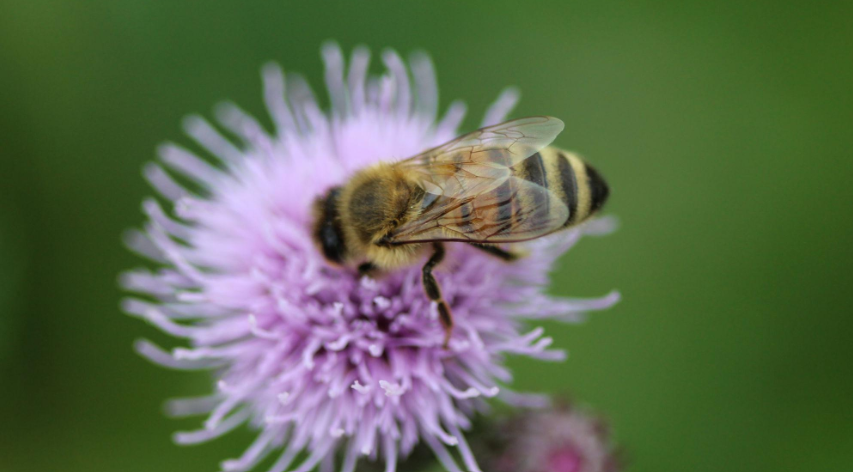
The Honey Bee is perhaps the most well-known striped bee, featuring alternating golden-yellow and black bands across its abdomen. These social insects live in large colonies and are vital pollinators of crops and wild plants. Their stripes are not only distinctive but also serve as a warning signal to potential predators.
Bumblebee
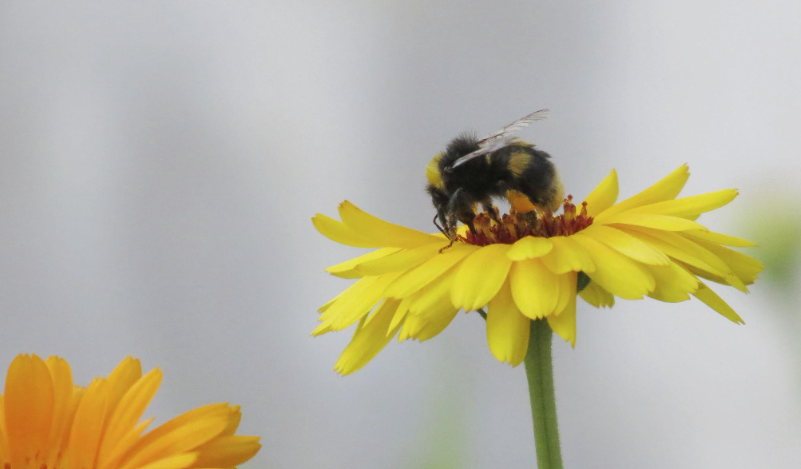
Bumblebee species are larger and fuzzier than honey bees, with bold black and yellow stripes. Their thick hair (setae) helps them collect pollen efficiently and stay warm in cooler climates. Bumblebees are excellent pollinators, especially for plants that require “buzz pollination.”
Mason Bee
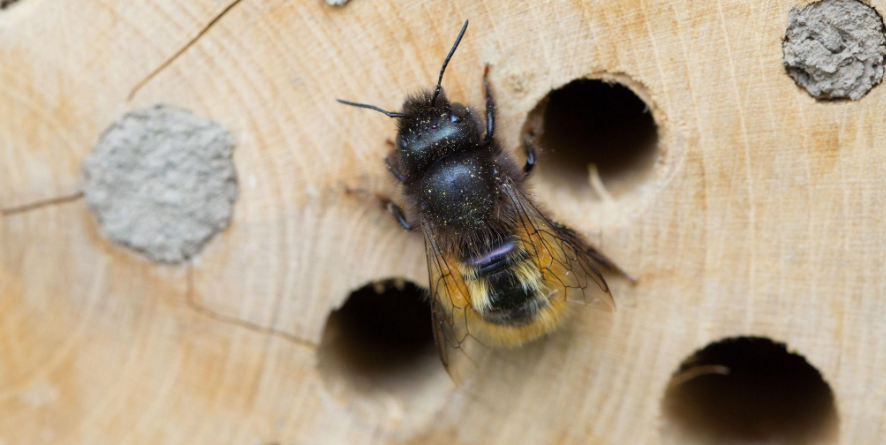
The Mason Bee often has subtle striping, sometimes combined with metallic blue or green tones. Unlike social bees, mason bees are solitary and nest in small cavities. Their gentle nature and efficiency make them valuable pollinators in gardens and orchards.
Leafcutter Bee
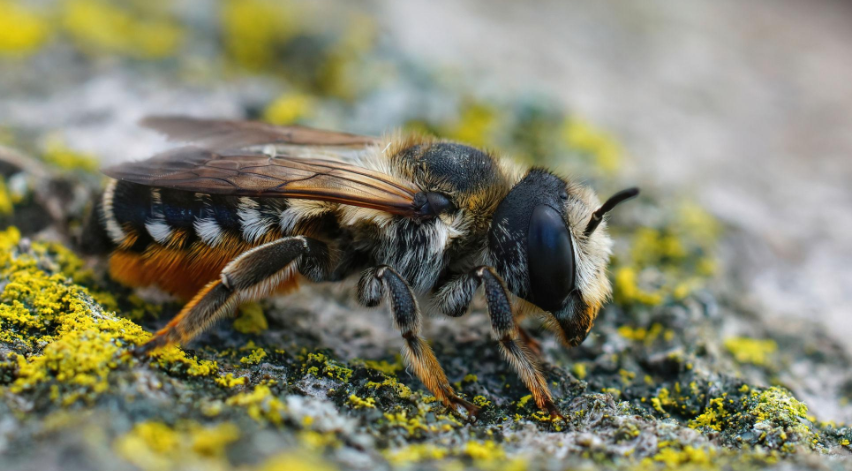
Leafcutter Bee species have distinct striped abdomens, often with pale bands against darker backgrounds. They are named for their habit of cutting neat circular pieces from leaves to build their nests. These bees are solitary but highly effective pollinators.
Sweat Bee
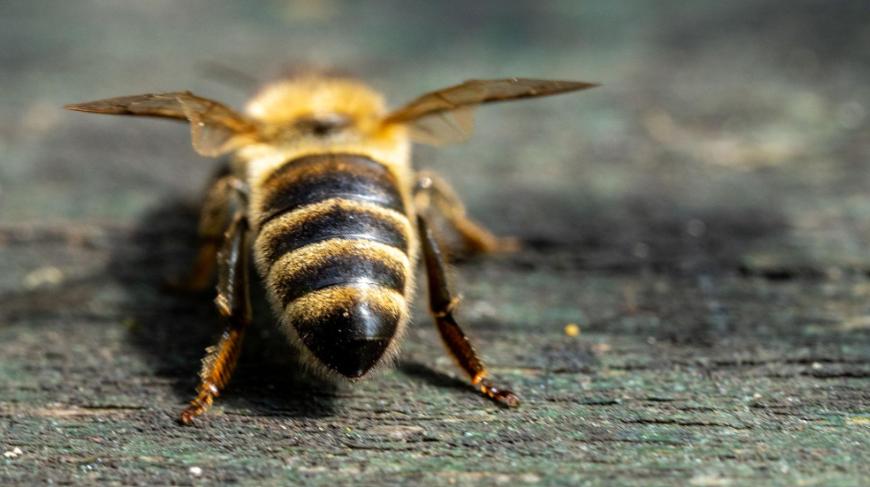
The Sweat Bee includes many species, some of which display subtle striping along with metallic green or blue coloration. These small bees are attracted to human sweat for its salt content. Despite their size, they are important pollinators in many ecosystems.
Cuckoo Bee
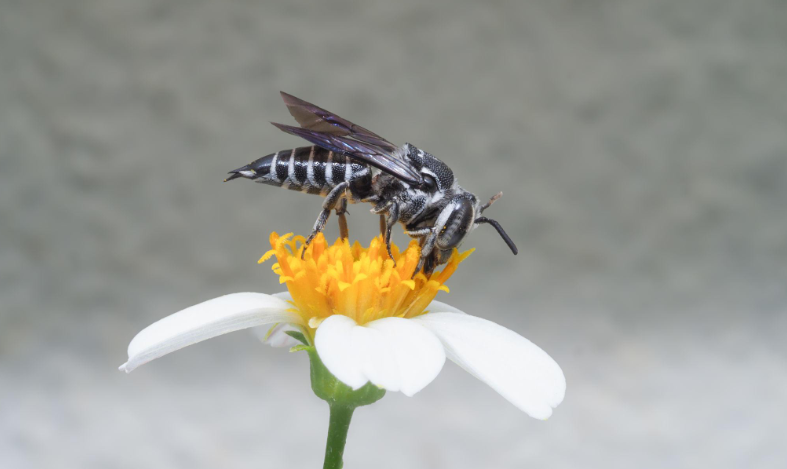
Cuckoo Bee species often have bright yellow and black stripes resembling wasps. They are parasitic bees, laying their eggs in the nests of other bees. Their bold striping may mimic stinging insects, helping deter predators.
Mining Bee
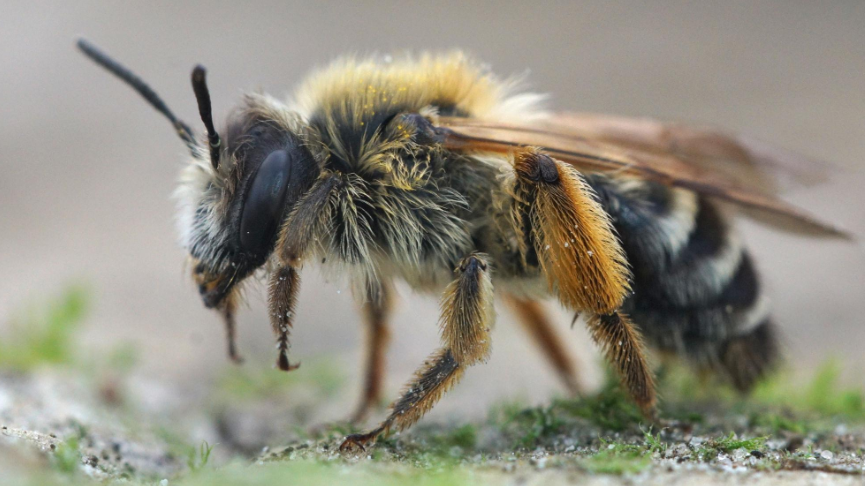
The Mining Bee typically shows faint striping with earthy tones of brown, black, and pale bands. These bees nest in the ground, digging tunnels in sandy or loose soil. They are among the earliest bees to emerge in spring.
Long-horned Bee
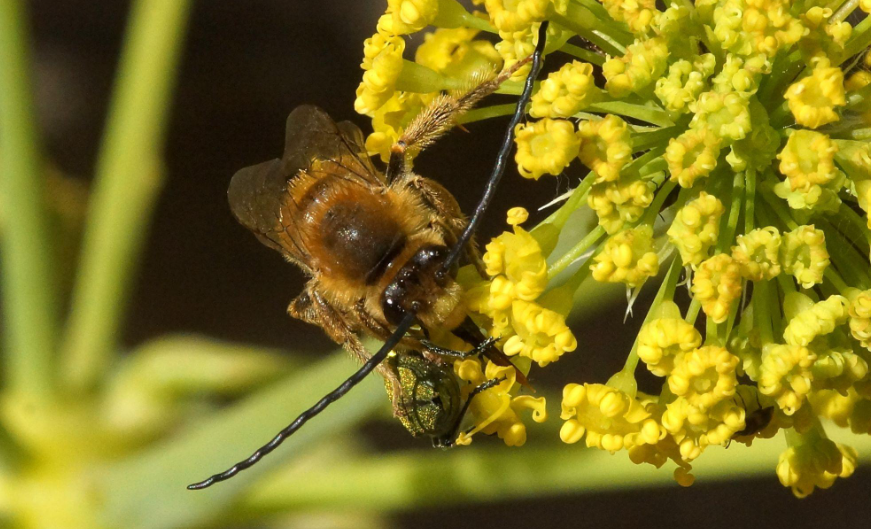
Long-horned Bee species often have striped abdomens and are notable for the males’ extremely long antennae. These solitary bees are active pollinators, particularly for wildflowers, and their striping helps distinguish them from similar species.
Blue-banded Bee
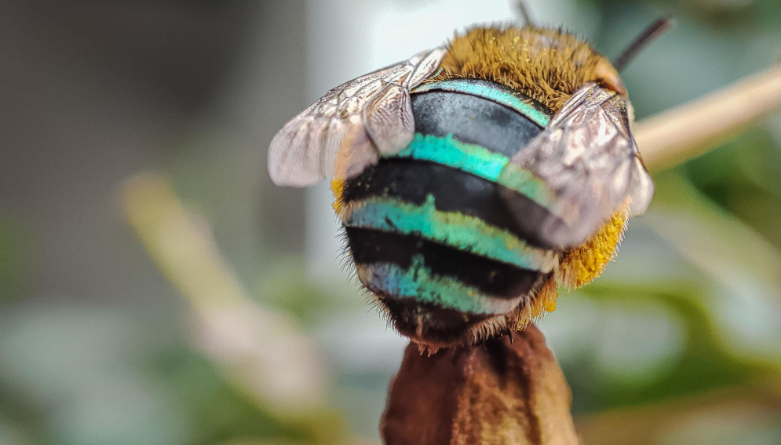
The Blue-banded Bee is easily recognized by its striking electric-blue stripes across a dark abdomen. These fast-flying bees are common in warm regions and are known for their ability to hover like tiny helicopters while feeding on nectar. They are excellent pollinators and play a key role in “buzz pollination,” especially for crops like tomatoes. Unlike honey bees, they are solitary and nest in burrows or crevices.
Wool Carder Bee
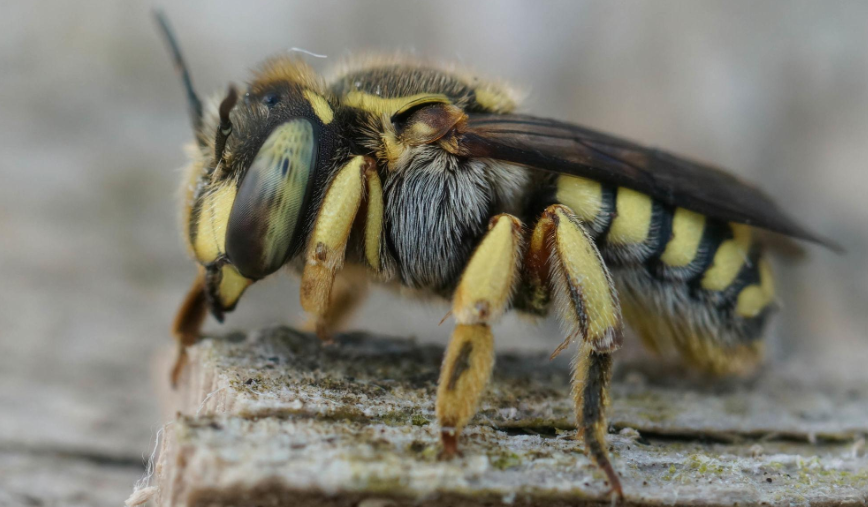
The Wool Carder Bee has bold yellow and black stripes that resemble those of wasps. These bees are named for their habit of scraping plant fibers (“wool”) to line their nests. Males are known for their aggressive territorial behavior, often chasing away other insects. Despite this, they are harmless to humans and contribute significantly to pollination in gardens and wild habitats.
Squash Bee
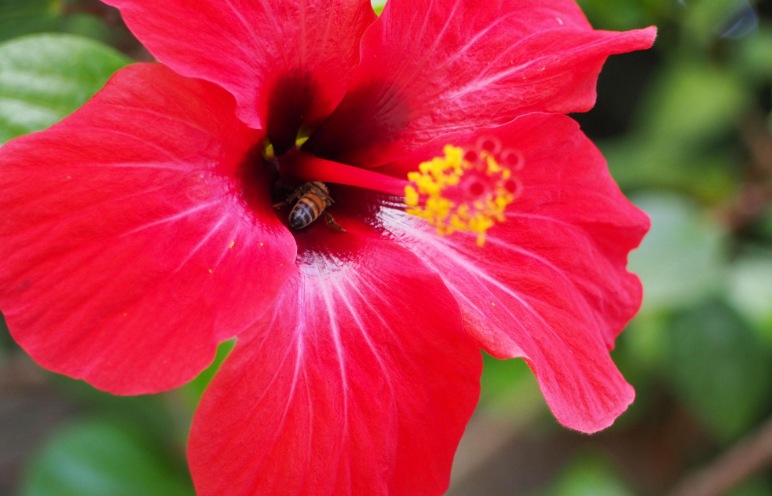
The Squash Bee displays soft yellow and black striping and is closely associated with squash and pumpkin plants. These bees are early risers, often active before sunrise when squash flowers open. They are highly specialized pollinators, making them more efficient than many generalist bees for these crops. Squash bees nest in the ground, usually near the plants they pollinate.
Polyester Bee
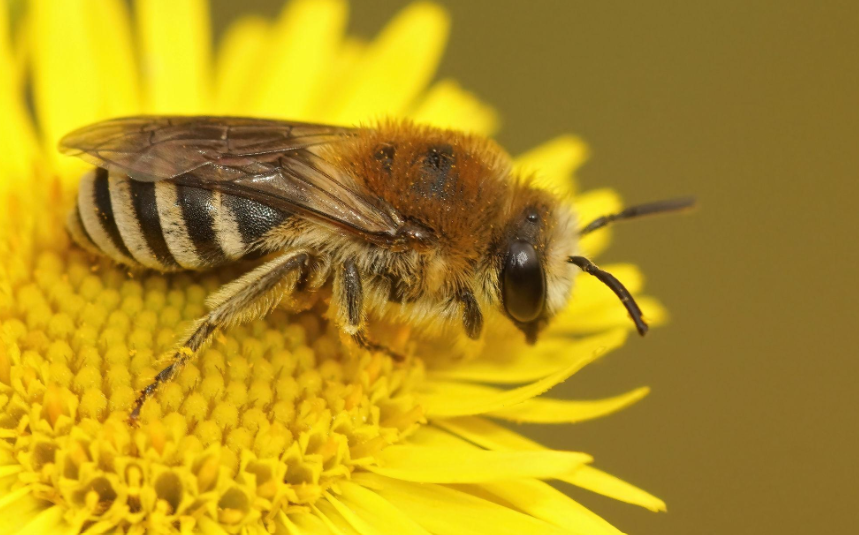
The Polyester Bee, also called plasterer bees, often shows pale bands or stripes across a darker abdomen. They are named for the waterproof, cellophane-like lining they create inside their nests using glandular secretions. These solitary bees typically nest in the ground, sometimes forming large aggregations. Their striping can vary from subtle to quite distinct depending on the species.
Digger Bee
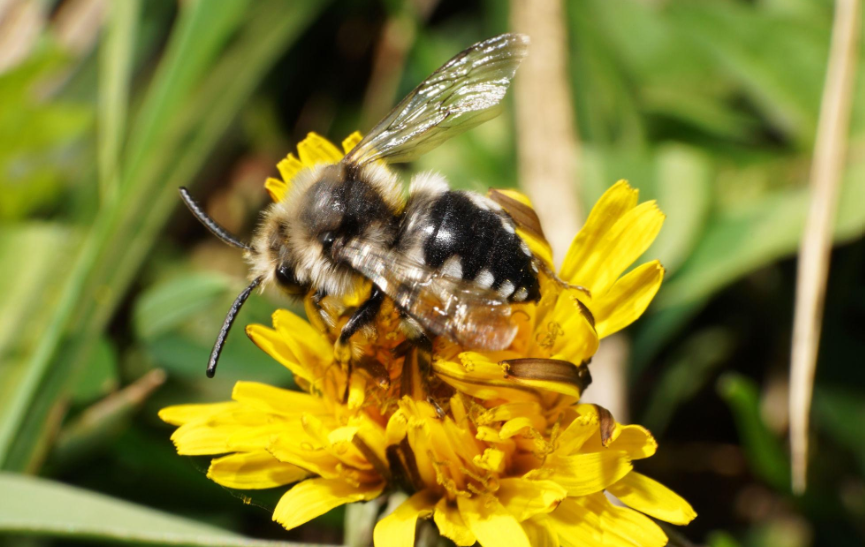
The Digger Bee often has a robust, hairy body with visible striping on the abdomen. These bees are strong fliers and can sometimes be seen hovering near flowers or nesting sites. They dig tunnels in soil, clay banks, or even soft mortar, which gives them their common name. Digger bees are efficient pollinators and are especially important for early-season flowering plants.
Furrow Bee
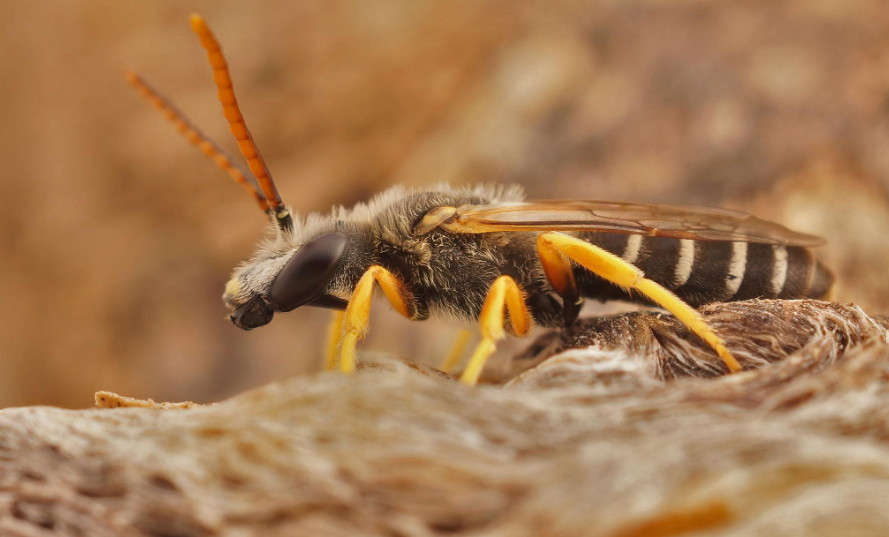
The Furrow Bee is a small to medium-sized bee with clear yellow or pale bands across its abdomen. These bees are often seen in gardens and fields, visiting a wide variety of flowers. Some species are social, while others are solitary, showing a fascinating range of behaviors within the same group. Their striping helps distinguish them from other small bees in the same habitats.
Nomia Bee
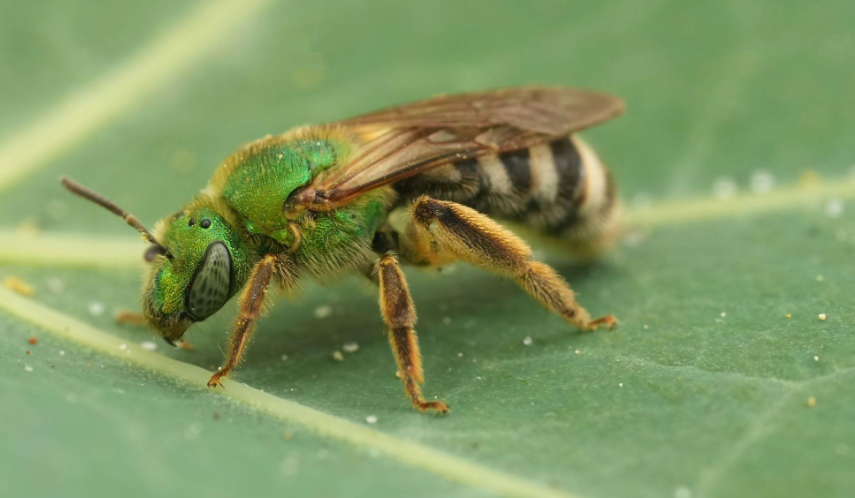
The Nomia Bee is known for its vivid, often metallic stripes that may appear green, blue, or even iridescent under sunlight. These bees are typically ground nesters and can form large nesting aggregations. Their colorful striping makes them stand out among other bees and may play a role in species recognition. They are important pollinators in both wild ecosystems and agricultural areas.
Epeolus Bee
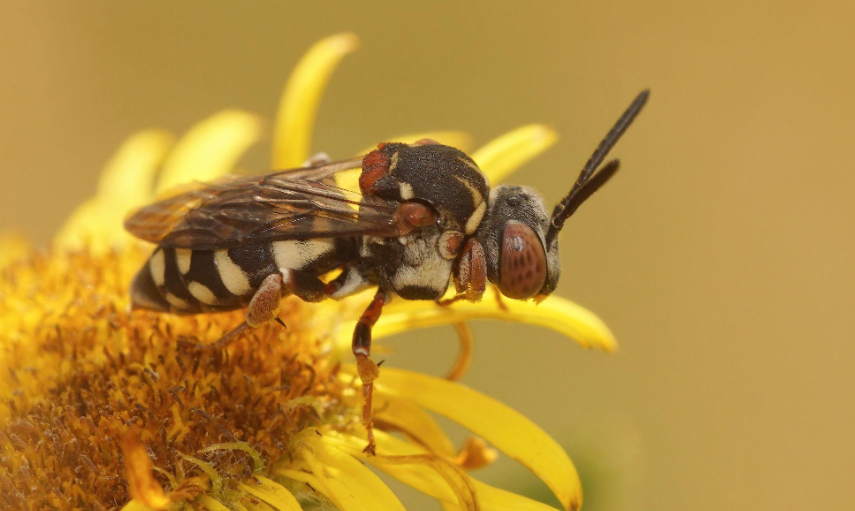
The Epeolus Bee has striking black-and-white or pale striped patterns that give it a unique, almost checkered appearance. These bees are parasitic, similar to cuckoo bees, and lay their eggs in the nests of other bee species. Their bold striping may mimic more aggressive insects, helping deter predators. Although they do not gather pollen themselves, they still play a role in the broader ecological web of bee communities.