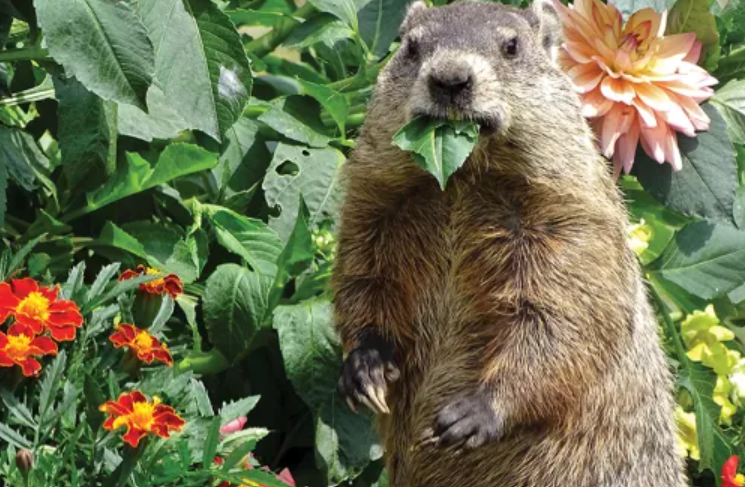
Groundhogs — also known as woodchucks (Marmota monax) — are among the most frustrating garden pests in North America. These large, voracious rodents can devastate a garden overnight, consuming enormous quantities of vegetables, flowers, and foliage with remarkable speed and efficiency.
However, like most herbivores, groundhogs tend to avoid plants with strong fragrances, toxic compounds, prickly textures, or unpleasant tastes. Choosing groundhog-resistant annuals is one of the most practical and effective strategies for maintaining a beautiful summer garden in groundhog country.
While choosing resistant plants is the most reliable long-term strategy, combining plant selection with physical barriers such as buried wire mesh fencing (at least 12 inches underground to prevent burrowing) provides the most effective protection. Strongly scented plants such as marigolds, salvias, nicotiana, and geraniums planted at garden perimeters create aromatic barriers that discourage groundhogs from entering planted areas.
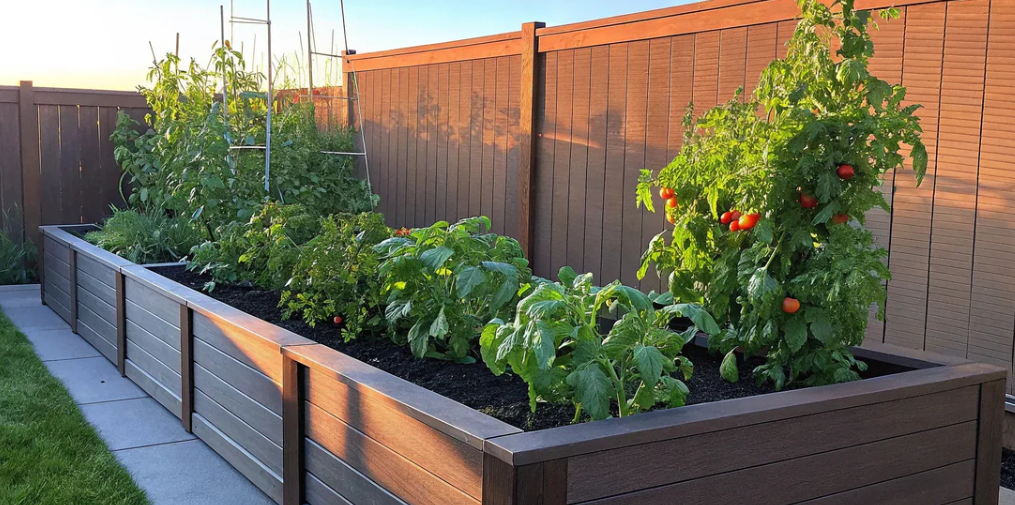
Elevated containers and raised beds with reinforced bases significantly reduce groundhog access to vulnerable plantings. Motion-activated sprinklers and predator scent deterrents can supplement plant-based strategies in areas of heavy groundhog pressure. Remember that a truly hungry groundhog may eventually sample even reliably resistant plants — consistent physical exclusion remains the single most reliable method of groundhog control in the garden.
Plants that Keep Groundhogs Out of Yard
Marigold (Tagetes spp.)
One of the most reliably groundhog-resistant annuals available, marigolds produce a pungent, distinctive scent from their foliage and flowers that groundhogs find deeply offensive and actively avoid.
Both African and French marigold types are equally repellent. Their strong fragrance makes them outstanding companion plants throughout the vegetable garden, where they serve double duty as both ornamental flowers and natural groundhog deterrents. Interplanting marigolds throughout garden beds creates an aromatic barrier that discourages groundhog browsing significantly.
Snapdragon (Antirrhinum majus)
Snapdragons are largely ignored by groundhogs, which tend to avoid their somewhat bitter, mildly toxic foliage. Their tall, colorful spikes of hinged, two-lipped flowers in virtually every color provide outstanding vertical interest in summer borders and cutting gardens without attracting groundhog attention.
They bloom most prolifically in cool spring and early summer conditions and again in autumn, providing reliable color during the periods when groundhogs are most actively foraging. Regular deadheading encourages continuous reblooming throughout the growing season.
Cleome (Cleome hassleriana — Spider Flower)
Groundhogs reliably avoid cleome, deterred by the strong, somewhat skunky fragrance of its sticky, glandular stems and foliage — a scent that many gardeners also find quite assertive.
Its tall, dramatic, globe-shaped flower heads in pink, rose, purple, and white on spiny stems add spectacular height and structure to the summer border and are completely safe from groundhog browsing. Cleome self-seeds prolifically, returning year after year with no effort, and is one of the most useful tall annuals for groundhog-prone gardens.
Nicotiana (Nicotiana spp. — Flowering Tobacco)
The sticky, glandular, strongly aromatic foliage of flowering tobacco is highly repellent to groundhogs, which avoid its bitter, alkaloid-rich leaves instinctively. Nicotiana contains nicotine and related alkaloids that are genuinely toxic to many mammals, making it one of the most reliably avoided annuals in groundhog-prone gardens.
Its elegant, tubular, star-shaped flowers in white, pink, red, and lime-green are often intensely fragrant in the evening and provide outstanding summer border color entirely safe from groundhog damage.
Lantana (Lantana camara)
Groundhogs consistently avoid lantana, deterred by its strongly aromatic, somewhat coarse foliage that contains toxic compounds — lantadene — unpalatable and harmful to most grazing mammals.
Its brilliantly multicolored, confetti-like flower clusters in combinations of yellow, orange, red, and pink bloom continuously from late spring to frost and are completely safe from groundhog browsing. As an added benefit, lantana is powerfully attractive to butterflies and hummingbirds, making it one of the most wildlife-friendly groundhog-resistant annuals available.
Salvia (Salvia spp.)
The strongly aromatic, essential-oil-rich foliage of salvias is highly repellent to groundhogs, which avoid most aromatic herbs and ornamentals instinctively. Both scarlet sage (S. splendens) and mealycup sage (S. farinacea) are reliably avoided by groundhogs throughout the summer season.
Their tall, upright flower spikes in vivid red, blue-purple, salmon, and white are highly attractive to hummingbirds and butterflies. Salvias are outstanding groundhog-resistant annuals for sunny summer borders, containers, and cutting garden plantings.
Ageratum (Ageratum houstonianum — Floss Flower)
Groundhogs reliably leave ageratum alone, apparently deterred by its slightly bitter, mildly aromatic foliage. Its fluffy, powder-puff-like flower clusters in soft shades of blue, lavender, purple, pink, and white provide outstanding border edging and mass planting color from late spring to frost.
Ageratum is one of the few true blue-flowering summer annuals, making it particularly valuable for color combinations in groundhog-resistant garden designs. It blooms most prolifically with regular deadheading of spent flower clusters throughout summer.
Vinca / Catharanthus (Catharanthus roseus — Annual Vinca)
Annual vinca contains potent alkaloids — including vincristine and vinblastine — that make its foliage genuinely toxic and deeply unpalatable to groundhogs and most other browsing mammals.
It is one of the most reliably groundhog-proof flowering annuals available, blooming continuously in vivid pink, red, white, coral, and bicolored pinwheel flowers throughout the hottest summer months without interruption. Its toxicity to mammals makes it outstanding for planting at the perimeter of garden beds to discourage groundhog encroachment.
Geranium (Pelargonium spp.)
The strongly scented foliage of pelargoniums — particularly scented-leaf varieties — is highly repellent to groundhogs, which avoid most strongly aromatic plants.
Even standard zonal pelargoniums have foliage with a distinctive, somewhat medicinal scent that groundhogs find unappealing. Their cheerful rounded flower heads in red, salmon, pink, and white bloom continuously from spring to frost and are reliably safe from groundhog browsing. Scented-leaf varieties planted at garden borders provide an aromatic deterrent barrier for surrounding plants.
Portulaca (Portulaca grandiflora — Moss Rose)
Groundhogs tend to ignore portulaca, likely deterred by its thick, succulent, needle-like foliage which provides little nutritional reward and an unpleasant texture. Its jewel-bright, silky flowers in yellow, orange, red, pink, and white thrive in the hottest, driest conditions where groundhogs are less likely to venture in search of moisture-rich food plants.
It is outstanding for hot, dry, exposed positions — rocky slopes, gravel gardens, and baked border edges — where groundhog pressure is typically lower and portulaca performs at its absolute best.
Gazania (Gazania rigens)
Groundhogs consistently avoid gazanias, apparently deterred by the slightly bitter, resinous quality of their foliage. Their brilliantly vivid, daisy-like flowers in orange, yellow, red, pink, and multicolored striped combinations open in full sun and provide outstanding summer color in hot, dry positions.
As groundhogs tend to prefer lush, moisture-rich vegetation, the drought-tolerant, heat-loving nature of gazanias places them naturally in conditions less frequently visited by foraging groundhogs. They are reliable, low-maintenance, groundhog-resistant annuals for sunny summer borders and containers.
Strawflower (Xerochrysum bracteatum)
Groundhogs avoid strawflowers, deterred by their dry, papery, straw-textured flowers and foliage that offer little nutritional appeal to browsing animals seeking succulent, moisture-rich vegetation.
Their everlasting, papery flowers in vivid red, orange, yellow, pink, and white bloom from midsummer to frost and dry beautifully on the stem. They thrive in full sun, heat, and drought — conditions that naturally reduce groundhog activity — and are outstanding for both fresh and dried flower arrangements throughout the entire summer and autumn season.
Statice (Limonium sinuatum — Sea Lavender*)
The dry, papery texture and slightly bitter, saline quality of statice foliage and flowers makes it deeply unappealing to groundhogs seeking succulent, nutritious vegetation.
Its papery flower clusters in vivid purple, blue, pink, yellow, and white bloom from midsummer to frost and dry perfectly on the stem, maintaining their intense color for months. Statice thrives in sandy, well-drained soil in full sun — the dry, exposed conditions that groundhogs tend to avoid — making it doubly resistant to groundhog damage in most garden settings.
Verbena (Verbena spp.)
Groundhogs generally leave verbena alone, deterred by the slightly rough, hairy texture of its foliage and its faintly medicinal scent. Its vivid, flat-topped flower clusters in red, purple, pink, white, and bicolored forms bloom continuously from spring to frost and are outstanding for containers, hanging baskets, and border edging.
Trailing verbena hybrids provide spectacular cascading summer color in groundhog-resistant container displays, while upright border types create reliable, colorful, low-maintenance groundhog-resistant summer bedding throughout the season.
Scaevola (Scaevola aemula — Fan Flower)
An Australian native annual that groundhogs ignore entirely — its foliage contains compounds that are unappealing to North American mammalian browsers unfamiliar with this non-native plant. Its unique, fan-shaped, semi-circular flowers in lavender-blue, purple, and pink cascade continuously from containers and hanging baskets from spring to frost without requiring deadheading.
Scaevola is outstanding for hanging baskets and elevated container displays where groundhog access is naturally limited, providing uninterrupted, prolific summer color with virtually no maintenance.
Angelonia (Angelonia angustifolia — Summer Snapdragon)
Groundhogs reliably avoid angelonia, deterred by the distinctive, grape-like fragrance of its foliage and flowers — an aromatic quality that most browsing mammals find unappealing.
Its upright spikes of small, two-lipped, snapdragon-like flowers in purple, lavender, pink, and white bloom continuously from late spring to hard frost with no deadheading required. It thrives in full sun and heat, performing beautifully throughout the hottest summer months and providing reliable, fragrant, groundhog-resistant color in borders, containers, and summer garden plantings.
Celosia (Celosia argentea)
Groundhogs tend to avoid celosia, apparently deterred by the texture and taste of its unusual, velvety or plumed flower structures. Its dramatic flower heads — either cockscomb crests or feathery plumes — in vivid shades of red, orange, yellow, and pink add bold, exotic color and texture to summer borders from midsummer to frost.
It thrives in full sun and high heat, blooming prolifically throughout the hottest summer months when groundhogs are most active, and remains largely undisturbed by groundhog browsing in mixed garden plantings.
Zinnia (Zinnia elegans)
While not entirely groundhog-proof — hungry groundhogs may occasionally sample zinnias — they are significantly less palatable to groundhogs than most other summer annuals and are generally left alone in gardens where more preferred food sources are available.
Their brilliantly colored, dahlia-like flowers in every shade from white through yellow, orange, pink, red, and burgundy bloom prolifically in the hottest summer conditions. Planting zinnias alongside more strongly deterrent plants such as marigolds and salvias significantly improves their groundhog resistance.
Gomphrena (Gomphrena globosa — Globe Amaranth)
Groundhogs consistently avoid gomphrena, deterred by its slightly rough, hairy foliage texture and the dry, papery quality of its rounded, clover-like flower heads that offer little appeal to browsing mammals seeking succulent vegetation.
Its vivid, long-lasting flower heads in magenta, purple, pink, orange, and white bloom from midsummer to frost and are exceptional for both fresh and dried flower arrangements. It thrives in heat, drought, and full sun — conditions that naturally reduce groundhog browsing pressure — and requires minimal maintenance throughout summer.
Dusty Miller (Senecio cineraria)
The thick, silver-white, felt-like coating of fine hairs on dusty miller’s deeply lobed, silvery foliage makes it deeply unappealing to groundhogs, which avoid heavily textured or hairy plant surfaces.
Grown primarily as a foliage annual for its outstanding silver-grey color that complements and enhances all other flower colors in border and container plantings, dusty miller provides season-long interest from spring to frost entirely immune to groundhog browsing. Its silver foliage is particularly luminous and effective in evening and moonlit garden settings.
Alyssum (Lobularia maritima)
Groundhogs generally avoid sweet alyssum, deterred by its strong, honey-like fragrance which — while delightful to humans — appears unappealing to browsing mammals. Its froth of tiny white, pink, or purple sweetly scented flowers cascades along border edges and spills from containers continuously from spring to frost.
As a low-growing, spreading plant with a strong fragrance, alyssum functions effectively as a groundhog-deterrent border edging plant when used to frame more groundhog-attractive plantings in vulnerable garden areas.
Lavatera (Lavatera trimestris — Annual Mallow)
Groundhogs tend to avoid lavatera, apparently deterred by the slightly rough, hairy texture of its large, lobed leaves — a texture common to many mallow family plants that browsing mammals find unappealing.
Its large, funnel-shaped, silky flowers in deep pink, rose, and white bloom prolifically from midsummer to autumn on substantial, bushy plants. It grows quickly from direct-sown seed, provides excellent summer border structure, and blooms abundantly throughout summer with minimal care and reliable groundhog resistance.
Tithonia (Tithonia rotundifolia — Mexican Sunflower*)
Groundhogs consistently avoid tithonia, deterred by the strongly aromatic, slightly rough foliage of its large, vigorous plants. Its brilliant, vivid orange-scarlet, dahlia-like flowers on tall, bold, branching plants provide outstanding summer color and structure from midsummer to frost.
As one of the tallest summer annuals — reaching 3–4 feet — tithonia creates a substantial physical barrier as well as an aromatic deterrent at garden boundaries. It is outstanding for attracting butterflies and hummingbirds while simultaneously deterring groundhog browsing.
Nigella (Nigella damascena — Love-in-a-Mist)
Groundhogs reliably avoid nigella, deterred by the slightly acrid, bitter taste of its finely divided, ferny foliage and the toxic alkaloids present throughout the plant. Its delicate, romantic, sky-blue, white, or pink flowers surrounded by mist-like, finely cut bracts bloom from late spring through early summer and self-seed prolifically to return reliably each year.
The decorative, inflated, striped seed pods provide additional ornamental value through summer. Nigella establishes quickly from direct-sown seed and naturalizes beautifully in cottage and wildflower garden settings.
Nasturtium (Tropaeolum majus)
While groundhogs occasionally sample nasturtiums, the peppery, mustard-like compounds — glucosinolates — in their foliage and flowers make them significantly less palatable than most other garden annuals.
Their cheerful, five-petaled flowers in vivid red, orange, and yellow above distinctive, parasol-like blue-green leaves are both ornamental and edible for humans. Nasturtiums thrive in poor, dry soil — conditions that naturally reduce groundhog activity — and the hot, peppery taste of their foliage generally discourages sustained groundhog browsing in most garden situations.
Calibrachoa (Million Bells)
Groundhogs consistently leave calibrachoa alone, apparently deterred by the slightly sticky, glandular, faintly aromatic quality of its foliage — a characteristic shared with its relative, the petunia, which is also avoided by most browsing mammals.
Its extraordinary profusion of tiny, trumpet-shaped flowers in virtually every color blooms continuously from spring to hard frost with no deadheading required, making it one of the most prolific and effortless groundhog-resistant annuals for containers, hanging baskets, and window box displays throughout the entire summer season.