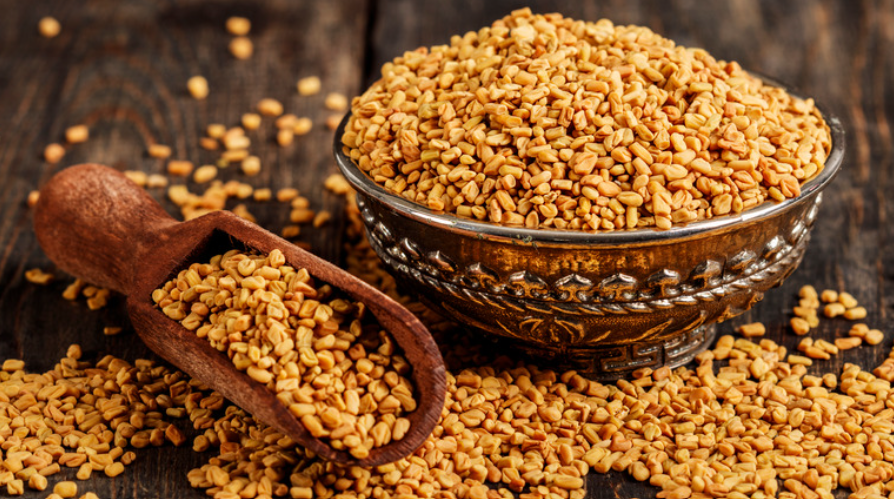
Fenugreek is one of the oldest cultivated plants in human history, a remarkable dual-purpose herb and spice plant that simultaneously provides fresh leaves used as a vegetable herb in cooking, dried leaves used as a flavoring spice, and seeds used as one of the most important and widely traded spice seeds in South Asian, Middle Eastern, and North African cuisine. Native to the Mediterranean region and western Asia, fenugreek has been cultivated for at least 6,000 years with seeds found in ancient Egyptian tombs dating to 1000 BCE and extensive references in ancient Greek, Roman, and Sanskrit texts documenting its culinary and medicinal uses across multiple ancient civilizations. The global fenugreek market was valued at over 1.2 billion dollars in 2022 and continues to grow steadily driven by expanding demand from the culinary spice, herbal supplement, pharmaceutical, and natural cosmetics industries.
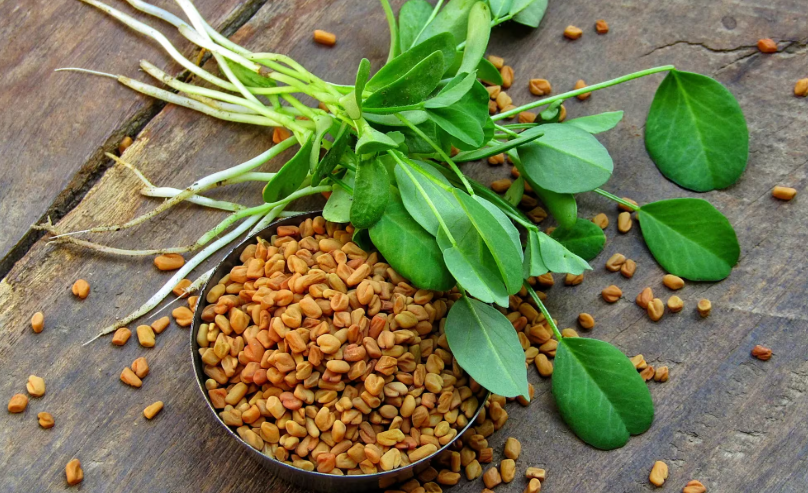
Fenugreek plants grow as compact, upright, clover-like annual herbs reaching 18 to 24 inches in height, producing trifoliate leaves that closely resemble clover or alfalfa and small, white to pale yellow flowers followed by long, narrow, curved seed pods containing 10 to 20 seeds each. India is the world’s dominant fenugreek producer by an overwhelming margin, accounting for approximately 80 to 90 percent of global production, with Rajasthan state alone producing approximately 80 percent of India’s enormous output — grown primarily in the arid districts of Sirohi, Pali, Ajmer, and Nagaur. The remaining global production is distributed across Pakistan, Bangladesh, Ethiopia, Egypt, Morocco, Turkey, and China, with total world fenugreek production exceeding 500,000 metric tons annually.
The distinctive, complex flavor of fenugreek comes from a range of unusual chemical compounds including the amino acid 4-hydroxyisoleucine, the alkaloids trigonelline and choline, and the volatile compound sotolon — which is responsible for fenugreek’s characteristic, unique, maple syrup-like fragrance that is so powerful it can make perspiration smell of maple syrup in people who consume large quantities. Fenugreek seeds contain approximately 45 to 65 percent carbohydrates — primarily the soluble fiber galactomannan that has documented blood sugar-lowering, cholesterol-reducing, and satiety-enhancing properties — alongside 20 to 30 percent protein, significant amounts of iron, magnesium, manganese, and B vitamins, and the steroidal saponin compound diosgenin used as a precursor in pharmaceutical steroid synthesis.
Fenugreek is consumed across an extraordinary range of culinary, medicinal, and industrial applications worldwide — the fresh and dried leaves called methi in Hindi are used in Indian flatbreads, curries, and vegetable preparations; the seeds are fundamental to Indian curry powders, Ethiopian berbere spice blend, Egyptian dukkah, and traditional pickling spice blends; the seeds are eaten sprouted as a nutritious vegetable; fenugreek extract is used commercially as a natural maple flavor in food manufacturing; and fenugreek supplements are widely consumed for blood sugar management, cholesterol reduction, milk production support in breastfeeding mothers, and testosterone support in men. It grows as a cool-season annual across USDA zones 5 to 10, preferring mild temperatures between 50°F and 90°F and well-draining soil with full sun, and is one of the most nutritionally versatile, medically studied, and commercially diverse single plant species in the entire world of herbs and spices.
Types of Fenugreek
1. Kasuri Methi (Dried Fenugreek Leaf)
Kasuri Methi is the dried leaf form of fenugreek — named after the Kasur district of the Punjab region historically associated with the finest dried fenugreek leaf production — and is one of the most important and distinctive flavoring herbs in North Indian, Pakistani, and Punjabi cooking, providing a unique, slightly bitter, intensely aromatic, maple-tinged, warm herbal flavor that is quite different from the fresh leaf and is considered an irreplaceable flavoring ingredient in dishes where it is traditionally used. It is an essential component of butter chicken, dal makhani, paneer preparations, and methi paratha, and the dried leaf produces a concentrated, complex flavor that intensifies when rubbed between the palms before adding to dishes to release the aromatic compounds. It is widely available from Indian grocery stores and spice retailers globally.
2. Fresh Methi (Fresh Fenugreek Leaf)
Fresh Methi is the fresh leaf form of fenugreek, one of the most important fresh green leafy vegetables and herbs in Indian, Pakistani, and broader South Asian cooking, used in methi saag (fenugreek greens), methi paratha (flatbread), aloo methi (potato with fenugreek), and as a fresh herb scattered over curries and rice dishes. The fresh leaves have a distinctively bitter, mildly aromatic, slightly earthy flavor quite different from either dried kasuri methi or the seed spice, and the bitterness — which lessens with cooking — is considered a desirable, health-associated quality in Indian culinary culture rather than a defect. Fresh methi bunches are one of the most widely sold leafy greens in Indian vegetable markets throughout the cool-season growing months.
3. Indian Fenugreek Seed (Rajasthan)
Rajasthan Fenugreek Seed is the most commercially important fenugreek seed type in the world, produced in enormous quantities in Rajasthan’s arid growing districts — particularly Sirohi, Pali, and Nagaur — where the combination of dry climate, sandy loam soils, and cool winter temperatures produce fenugreek seeds of very good quality with high galactomannan content, good aroma, and the characteristic warm, slightly bitter, maple-tinged flavor that makes Indian fenugreek seed the global benchmark for culinary and pharmaceutical applications. Rajasthan’s fenugreek is sold through commodity markets in Jodhpur and Jaipur and exported in large volumes to the United States, Europe, China, and the Middle East for both culinary and pharmaceutical processing applications.
4. Fenugreek Sprouts
Fenugreek Sprouts are germinated fenugreek seeds harvested at 3 to 5 days when the seeds have produced short, pale, tender sprouts of 1 to 2 inches in length, providing a fresh, mildly bitter, pleasantly aromatic, nutritionally dense sprouted seed that is consumed in Indian salads, as a raw vegetable, and in health-conscious food preparations across South Asia and the growing global sprout and living food market. Sprouting dramatically increases the bioavailability of fenugreek’s nutritional compounds — including minerals, B vitamins, and the blood-sugar-active compounds — compared to consuming the dried seed, and fenugreek sprouts are one of the most nutritionally impressive of all commonly consumed sprout varieties. They are easily grown at home in a sprouting jar with minimal equipment.
5. Ethiopian Fenugreek (Abish)
Ethiopian Fenugreek, called abish in Amharic, is a fundamentally important ingredient in Ethiopian cooking and traditional medicine, used as an essential component of berbere — the most important Ethiopian spice blend — alongside mitmita, and as a standalone spice in traditional Injera fermented flatbread preparations, meat stews, and the traditional Ethiopian honey wine called tej. Ethiopia is one of the most important fenugreek-producing and consuming nations outside the Indian subcontinent and has developed its own locally adapted fenugreek varieties suited to Ethiopian highland growing conditions. Ethiopian fenugreek consumption is among the highest per capita of any nation outside South Asia and the Middle East.
6. Egyptian Fenugreek (Hilba)
Egyptian Fenugreek, called hilba in Arabic, is an important spice and herbal medicine ingredient across Egypt and the broader Arab world, used in Egyptian dukkah — the popular nut, seed, and spice blend eaten with bread and olive oil — and in traditional Egyptian and Yemeni folk medicine preparations for digestive health, respiratory conditions, and as a general tonic. Egypt is an important fenugreek-producing nation in the African and Middle Eastern context and Egyptian fenugreek seeds have a long cultivation history in the Nile Delta and Upper Egypt agricultural regions. Hilba is also widely used as a herbal tea in Egypt and Yemen where it is consumed for its warming and digestive properties.
7. Yemeni Fenugreek (Hulba)
Yemeni Fenugreek, called hulba in Yemeni Arabic, occupies a uniquely central position in Yemeni cuisine — ground fenugreek is whipped with water into a distinctive, foamy, pale golden sauce or condiment that accompanies almost every traditional Yemeni meal including the famous saltah stew that is considered Yemen’s national dish. The fenugreek whipping technique — unique to Yemeni cooking — produces a light, airy, slightly bitter, intensely fenugreek-flavored foam that provides a distinctive textural and flavor contrast to the rich, spiced stews it accompanies, and this application of fenugreek is not replicated in any other major culinary tradition worldwide. Yemeni fenugreek consumption is among the highest per capita in the world.
8. Sprouted Fenugreek (Microgreens)
Fenugreek Microgreens are young fenugreek seedlings harvested at 7 to 14 days after germination when the first true leaves are developing, producing small, tender, vivid green seedlings with a mild, pleasantly bitter, aromatic fenugreek-like flavor and very high concentrations of vitamins, minerals, and bioactive compounds including significantly elevated curcumin and diosgenin-related compounds relative to the mature plant. They are used in Indian salads, as a garnish on curries and rice preparations, in health-conscious sandwiches and wraps, and are increasingly available from microgreen producers and health food retailers in major markets. Fenugreek microgreens are among the most nutritionally impressive microgreen varieties commercially produced.
9. Moroccan Fenugreek
Moroccan Fenugreek is grown in Morocco — one of the important North African fenugreek producers — for both domestic use in Moroccan spice preparations and for export to European markets where Moroccan-origin herbs and spices have established a significant commercial presence. Fenugreek seed is used in some traditional Moroccan cooking preparations and in the production of ras el hanout — the complex, multi-spice Moroccan blend — though it is less central to Moroccan cooking than to Indian or Ethiopian culinary traditions. Morocco’s proximity to European markets and its established organic certification infrastructure make it an important supplier of certified organic fenugreek to European health food markets.
10. Turkish Fenugreek (Çemen)
Turkish Fenugreek, called çemen in Turkish, is a critically important spice in Turkish cooking — particularly as an essential component of the spice paste used to coat pastırma, the intensely flavored, air-dried cured beef that is one of Turkey’s most important and distinctive cured meat products. The çemen paste coating of pastırma combines ground fenugreek with garlic, allspice, black pepper, red pepper, and other spices to create the characteristically pungent, complex, fragrant coating that is inseparable from authentic pastırma flavor. Turkey produces its own fenugreek for domestic consumption and the çemen spice blend is also used in various other Turkish meat preparations and regional dishes.
11. Kashmiri Methi
Kashmiri Methi refers to the fenugreek leaf varieties grown in the Kashmir Valley and surrounding Himalayan regions of northern India and Pakistan, where the cool, high-altitude growing conditions produce fenugreek leaves of particularly good, complex, aromatic quality used in distinctive Kashmiri cooking traditions. Kashmir has a sophisticated culinary tradition quite distinct from other Indian regional cuisines and fenugreek leaf plays a specific role in Kashmiri lamb preparations, dried vegetables known as hokhwangan, and various traditional Kashmiri cooking preparations. Kashmiri-grown methi is considered by aficionados to have particularly fine flavor compared to plains-grown varieties.
12. Shambalileh (Persian Fenugreek)
Shambalileh is the Persian name for dried fenugreek leaf and refers to the specific use of fenugreek in Persian and Iranian cooking — particularly as an essential ingredient in the famous herb-rich stew ghormeh sabzi, one of the most beloved and most widely consumed traditional Persian dishes, where dried fenugreek leaf is used alongside dried limes, kidney beans, and fresh herbs to create the characteristic, intensely complex, slightly bitter, deeply aromatic flavor of this national dish of Iran. Persian fenugreek use in ghormeh sabzi is one of the most distinctive and important single applications of any herb or spice in any culinary tradition globally.
13. Fenugreek Galactomannan Extract
Fenugreek Galactomannan Extract represents the most commercially important pharmaceutical and nutraceutical processing product derived from fenugreek seeds, produced by extracting and concentrating the high-molecular-weight soluble fiber galactomannan that constitutes approximately 40 to 50 percent of fenugreek seed endosperm dry weight and is responsible for most of fenugreek’s documented health effects including blood glucose reduction, cholesterol lowering, satiety enhancement, and glycemic index reduction in carbohydrate-containing foods. The global market for fenugreek galactomannan as a pharmaceutical and functional food ingredient is growing rapidly alongside the evidence base for its health effects, with India dominating production of this high-value extract for global export.
14. Fenugreek 4-Hydroxyisoleucine Extract
Fenugreek 4-Hydroxyisoleucine Extract is a specific pharmaceutical-grade extract of the unusual amino acid 4-hydroxyisoleucine — found at significant concentrations almost exclusively in fenugreek among common food plants — that has been extensively studied for its ability to directly stimulate insulin secretion from pancreatic beta cells and enhance insulin sensitivity in muscle tissue, making it one of the most investigated natural compounds for blood glucose management in type 2 diabetes and metabolic syndrome. Standardized fenugreek extracts enriched in 4-hydroxyisoleucine are sold as premium blood sugar management supplements and are the subject of ongoing clinical trial research in India, Europe, and North America.
15. Blue Fenugreek
Blue Fenugreek is a distinct species closely related to common fenugreek, native to the Caucasus mountains of Georgia, Armenia, and Azerbaijan, producing smaller, more slender seeds and somewhat different leaves with a distinctive, sweeter, more subtle, less bitter aromatic character than common fenugreek that makes it the primary spice of Georgian cuisine. It is an essential component of Georgian khmeli-suneli spice blend — one of the most important Georgian cooking spice mixtures — and is used extensively across the Caucasian culinary tradition in Georgia, Armenia, and Azerbaijan where it is considerably more important than common fenugreek in the local cooking traditions. It is increasingly available from specialist spice retailers serving Georgian and Caucasian cuisine enthusiasts.
16. Sprouted Methi (Matki-Style)
Sprouted Methi in the Matki-style refers to the traditional Indian practice of sprouting fenugreek seeds for 2 to 3 days until short sprouts emerge, then cooking the sprouted seeds as a vegetable in Maharashtrian and Gujarati cooking traditions where sprouted fenugreek is used in quick stir-fries, traditional usal preparations, and salads. The sprouting process partially reduces the bitterness of the raw fenugreek seed while increasing the nutritional bioavailability of the mineral and vitamin content and developing a more complex, slightly nutty, mildly bitter, pleasant flavor. Sprouted methi preparations are popular in the health-conscious Indian vegetarian cooking traditions of Maharashtra and Gujarat.
17. Fenugreek Microencapsulated Extract
Fenugreek Microencapsulated Extract represents an advanced pharmaceutical processing form of fenugreek active compounds — primarily galactomannan and 4-hydroxyisoleucine — encapsulated in protective polymer matrices that improve the bioavailability, controlled release, and taste-masking of the bitter fenugreek compounds in supplement and functional food applications. Microencapsulation technology has significantly expanded the practical applications of fenugreek bioactives in consumer products by allowing incorporation into beverages, food products, and supplement forms that would otherwise be unpalatable due to the strong, bitter, maple-like flavor of raw fenugreek extracts. This processing technology represents the intersection of food science and pharmaceutical technology in functional ingredient development.
18. Methi Dana (Whole Seed)
Methi Dana is the Hindi term for whole, unprocessed fenugreek seeds as used in Indian cooking — the hard, small, rhombus-shaped, golden-yellow seeds that are dry-roasted, fried in oil, ground into spice powders, used in pickling spice blends, and tempered in hot oil as part of the Indian tadka technique to release their volatile aromatic compounds and infuse dishes with the characteristic, warm, slightly bitter, maple-tinged fenugreek flavor. Whole methi dana is essential in the Indian five-spice blend panch phoron, in South Indian sambar powder, in the spice base of numerous Indian pickles including mango pickle, and in the tempering preparation of numerous South Indian dals and vegetable dishes.
19. Certified Organic Fenugreek
Certified Organic Fenugreek represents a rapidly growing commercial category within the broader fenugreek market, produced without synthetic pesticides, herbicides, or fertilizers according to certified organic production standards and commanding significant price premiums in health food retail, supplement manufacturing, and natural cosmetics industries. India’s Rajasthan state has developed significant certified organic fenugreek production capacity alongside conventional production, and organic-certified Indian fenugreek seeds and leaf products are increasingly specified by premium supplement manufacturers and health food companies in Europe and North America. The growing consumer demand for organically produced functional food ingredients has made organic certification increasingly commercially important for Indian fenugreek exporters.
20. South Indian Fenugreek (Vendayam)
South Indian Fenugreek, called vendayam in Tamil, vendhayam in some Tamil dialects, and uluva in Malayalam, is used differently in South Indian cooking than in North Indian traditions — toasted and ground as a key component of sambar powder, the spice blend used in the quintessential South Indian lentil soup that accompanies virtually every meal in Tamil Nadu, Karnataka, Kerala, and Andhra Pradesh, and used in tempering along with mustard seeds and curry leaves in the characteristic South Indian tadka. The fenugreek seeds in South Indian cooking are typically more heavily dry-roasted than in North Indian cooking, developing a darker, more complex, slightly more bitter, more intensely aromatic flavor that suits the bold, tangy, tamarind-based flavor profiles of South Indian cuisine.
21. Fenugreek in Ayurveda (Rasayana)
Fenugreek in Ayurvedic tradition occupies a unique and multidimensional position as both a warming, digestive tonic food and a medicinal rasayana — an Ayurvedic category of rejuvenating, vitality-enhancing substances — with applications for digestive disorders, metabolic health, reproductive health, lactation support, joint inflammation, hair and skin care, and general body strengthening. In Ayurvedic pharmacology, fenugreek seeds are classified as warm, bitter, and sweet in taste with a pungent post-digestive effect, suited to reducing excess kapha and vata dosha while occasionally aggravating pitta in excess quantities. The extraordinary breadth of Ayurvedic applications attributed to fenugreek across thousands of years of traditional use has provided the initial framework for much of the modern scientific research that has now validated numerous fenugreek health applications in clinical settings.