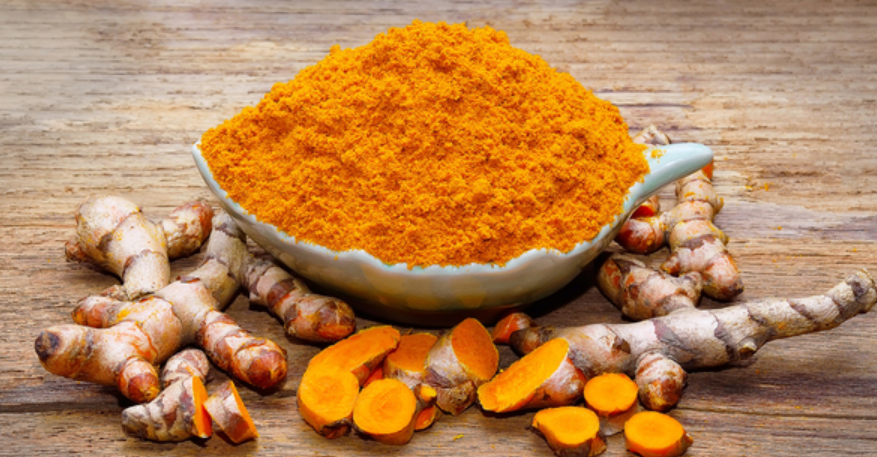
Turmeric is one of the most important, most widely cultivated, and most commercially significant spice and medicinal plants in the world, a tropical rhizome plant native to South and Southeast Asia that has been used in Indian cooking, Ayurvedic medicine, and Hindu religious ceremonies for over 4,000 years. Known as the golden spice for the extraordinary, vivid golden-yellow color it imparts to everything it touches — from food and beverages to skin and fabric — turmeric has transitioned over the past two decades from a relatively obscure Asian spice in Western markets to one of the most celebrated functional food and natural health ingredients globally. The global turmeric market was valued at over 3.5 billion dollars in 2022 and is projected to exceed 5 billion dollars by 2028, growing at approximately 8 percent annually driven by explosive demand from the health supplement, functional food, natural cosmetics, and pharmaceutical industries.
Turmeric plants grow from fleshy, highly aromatic, bright orange-yellow rhizomes that spread underground to form slowly expanding clumps, producing tall, broad-leafed, ginger-like plants reaching 3 to 4 feet in height with attractive, pale yellow flowers emerging from pink to green bract structures in summer. India is the world’s dominant turmeric producer by an overwhelming margin, accounting for approximately 75 to 80 percent of global production — growing approximately 1.1 million metric tons annually — with the remaining production distributed across Bangladesh, Pakistan, China, Thailand, Peru, and a growing number of other producing countries. India also consumes approximately 80 percent of its own enormous turmeric production domestically, primarily in cooking and traditional medicine, making the Indian domestic market the single most important driver of global turmeric production.
The extraordinary health properties attributed to turmeric are primarily linked to curcumin — the primary curcuminoid compound that gives turmeric its characteristic golden color and constitutes approximately 2 to 5 percent of dried turmeric rhizome by weight. Curcumin is one of the most extensively studied natural compounds in pharmacological research, with over 12,000 published scientific papers documenting its biological activities and investigating its potential for addressing inflammation, oxidative stress, cancer, cardiovascular disease, neurological conditions, and metabolic disorders. The significant limitation of curcumin’s health applications is its poor bioavailability when consumed alone — it is poorly absorbed from the digestive tract — but combining it with piperine from black pepper increases bioavailability by up to 2,000 percent, a finding that has become foundational to turmeric supplement formulation.
Turmeric is consumed in an astonishing range of forms across the world’s food, beverage, health, and cosmetic cultures — as fresh rhizome in Southeast Asian cooking, dried and ground into the golden powder that colors Indian curries, as the primary ingredient in golden milk and turmeric lattes, in turmeric tea, as curcumin extract in supplement capsules, in natural fabric dyeing, in traditional Hindu religious ceremonies where the bright yellow color carries profound symbolic significance, and in natural cosmetics for skin brightening and anti-inflammatory applications.
It grows as a perennial in USDA zones 8 to 12 and as a container or annual plant in cooler climates, requiring warm, humid conditions, partial shade, and rich, well-draining soil for best rhizome development. The combination of extraordinary culinary versatility, thousands of years of traditional use, a growing scientific evidence base for health benefits, and vibrant, visually striking golden color has made turmeric one of the most discussed, most marketed, and most consumed functional food ingredients in the contemporary global health and wellness industry.
Types of Turmeric
1. Alleppey Turmeric (Alleppey Finger)
Alleppey Turmeric, named for the port city of Alappuzha (Alleppey) in Kerala, India through which it was historically exported, is the most prestigious and commercially important turmeric variety in the global spice trade, producing rhizomes with exceptionally high curcumin content — typically 5 to 7 percent curcumin on a dry weight basis, compared to 2 to 3 percent in many other varieties — alongside a vivid, deep, rich orange-yellow color and a strong, aromatic, warm, slightly bitter, complex turmeric flavor that is the benchmark against which other turmeric types are measured.
It commands premium prices in both the culinary spice trade and the curcumin supplement industry where high curcumin content is the primary value driver, and Alleppey turmeric oleoresin — extracted for natural food coloring applications — is the most widely used turmeric-derived food coloring in the global food manufacturing industry.
2. Madras Turmeric
Madras Turmeric, named for the historical name of Chennai and the broader Madras region of Tamil Nadu, is one of the most widely traded and commercially important turmeric varieties in the global spice market, producing medium to large rhizomes with good, warm, aromatic turmeric flavor and moderate curcumin content — typically 3 to 4 percent — at a price point more accessible than the premium Alleppey type.
Madras turmeric tends to produce a lighter, more yellow-toned color compared to the deeper orange of Alleppey, and this lighter color suits certain food applications where a bright, true-yellow rather than deep-orange coloring is preferred. It is widely exported from Indian ports to global spice markets and is one of the most broadly available Indian turmeric designations internationally.
3. Erode Turmeric
Erode Turmeric from the Erode district of Tamil Nadu is the single most commercially important turmeric production center in the world, with Erode city being home to Asia’s largest turmeric trading market and the town often referred to as the Turmeric City or Yellow City due to the extraordinary scale of turmeric trading that takes place there. Erode district produces enormous volumes of turmeric annually — Tamil Nadu as a whole produces approximately 35 to 40 percent of India’s total turmeric output — and the Erode turmeric market sets benchmark prices that influence the global turmeric trade. Erode turmeric encompasses multiple varieties and grades grown across the district’s fertile agricultural land.
4. Salem Turmeric
Salem Turmeric from the Salem district of Tamil Nadu is an important commercial turmeric type producing medium-sized, moderately high curcumin content rhizomes with a good, well-balanced, warm, aromatic turmeric flavor widely traded in Indian domestic and export markets.
Salem is part of Tamil Nadu’s broader turmeric production belt and contributes significantly to India’s position as the world’s dominant turmeric supplier. Salem turmeric is traded through Erode’s central market as part of the broader Tamil Nadu turmeric marketing network and is exported to markets across the Middle East, Europe, and North America.
5. Nizamabad Turmeric
Nizamabad Turmeric from the Nizamabad district of Telangana state is one of the most important and widely produced turmeric types in India, with Nizamabad being the primary turmeric trading center in Telangana and the surrounding region.
Nizamabad turmeric is noted for producing particularly bright, vivid, yellow-orange colored powder after drying and grinding, making it highly valued in food coloring and culinary applications where visual color intensity is a primary quality criterion. Telangana is one of India’s most important turmeric-producing states and Nizamabad turmeric is widely exported through ports at Kakinada and Visakhapatnam.
6. Cuddapah Turmeric
Cuddapah Turmeric from the Kadapa district of Andhra Pradesh is an important regional Indian turmeric type known for producing rhizomes with a particularly good combination of aromatic flavor quality and moderate curcumin content that suits both culinary and processing applications.
Andhra Pradesh is one of India’s important turmeric-producing states alongside Tamil Nadu and Telangana, and the Cuddapah growing region benefits from the red, iron-rich soils and moderate rainfall of the Deccan Plateau that produce rhizomes of good quality. It is traded through Indian domestic markets and exported as part of the broader Andhra Pradesh turmeric supply.
7. Duggirajupatnam Turmeric
Duggirajupatnam Turmeric, sometimes called Duggirala turmeric, is a traditional Andhra Pradesh turmeric variety producing elongated, finger-like rhizomes with moderately high curcumin content and good aromatic quality that has been cultivated in the coastal districts of Andhra Pradesh for generations.
It is one of several important named regional turmeric varieties in Andhra Pradesh’s turmeric-producing tradition and is traded in Indian domestic markets alongside other important AP turmeric types. The coastal growing conditions of its native region produce rhizomes with a specific aromatic character valued in regional Indian cooking and traditional medicine.
8. Rajapore Turmeric
Rajapore Turmeric from Maharashtra state is considered by many Indian spice experts to be among the finest-quality high-curcumin turmeric varieties produced outside Kerala, with curcumin content approaching or occasionally matching Alleppey grades in the best specimens.
Maharashtra’s Sangli district — sometimes called the Turmeric City of Maharashtra — produces significant quantities of Rajapore and related turmeric varieties and hosts one of India’s most important turmeric trading markets. Rajapore turmeric is particularly valued in the natural food coloring and curcumin supplement industries for its high curcumin content relative to its price compared to the premium Alleppey varieties.
9. Sangli Turmeric
Sangli Turmeric from Sangli district in Maharashtra’s Krishna River valley region is an important commercial turmeric grown in the fertile, well-irrigated soils of western Maharashtra, producing good to very good quality rhizomes with moderate to high curcumin content and a good, warm, aromatic flavor.
Sangli hosts one of India’s most significant turmeric trading markets and the Sangli agricultural produce market committee processes very large volumes of turmeric annually from surrounding growing districts. Sangli turmeric is exported through Mumbai to global markets and is an important component of India’s turmeric export trade.
10. Lakadong Turmeric
Lakadong Turmeric from the Lakadong village area of Jaintia Hills district in Meghalaya in northeastern India is increasingly recognized as producing some of the highest curcumin content turmeric available anywhere in the world, with curcumin levels consistently measured at 7 to 12 percent on a dry weight basis — significantly higher than even premium Alleppey grades and among the highest recorded for any commercially grown turmeric variety.
The extraordinary curcumin concentration combined with the unique growing conditions of the Meghalayan highland hills — cool temperatures, heavy rainfall, acidic soils — produces turmeric rhizomes of exceptional quality that have attracted growing international attention from premium supplement manufacturers, health food companies, and research institutions. Lakadong turmeric commands among the highest prices of any Indian turmeric.
11. Manipuri Turmeric
Manipuri Turmeric from the northeastern Indian state of Manipur is an important regional variety producing rhizomes with a distinctive, somewhat different aromatic profile compared to the dominant South Indian commercial varieties, reflecting the specific growing conditions and traditional cultivation practices of Manipur’s hilly, forested terrain.
Turmeric is deeply integrated into Manipuri food culture and traditional medicine and the state has developed its own regional turmeric varieties adapted to its specific highland growing conditions. Manipuri turmeric is gaining recognition in premium natural health product markets for its high curcumin content and distinctive flavor profile.
12. Assam Turmeric
Assam Turmeric from the northeastern state of Assam is an important traditional turmeric variety grown in the fertile, alluvial soils of the Brahmaputra River valley, producing rhizomes of good flavor and moderate curcumin content widely used in distinctive Assamese cuisine where turmeric is a fundamental flavoring ingredient.
Assam has a long tradition of turmeric cultivation alongside its globally famous tea industry and the specific varieties grown in Assamese conditions develop a somewhat different aromatic character compared to the South Indian commercial types. Assamese turmeric is sold in local and regional Indian markets and is gaining recognition as a distinct regional specialty product.
13. Kerala Turmeric (Various)
Kerala Turmeric encompasses the range of turmeric varieties grown across India’s southernmost state — including the famous Alleppey variety alongside numerous other locally adapted selections — in the warm, humid, high-rainfall conditions of Kerala’s coastal and highland growing regions.
Kerala has been the historic center of India’s premium turmeric production and the state’s traditional knowledge of turmeric cultivation, processing, and quality assessment is among the most sophisticated in the world. Beyond the Alleppey designation, numerous additional Kerala turmeric varieties are grown and traded through Kerala’s extensive spice marketing network.
14. BSR-1 Turmeric
BSR-1 is a high-yielding turmeric variety developed by Indian agricultural research institutions through systematic crop improvement programs aimed at producing varieties with higher yields, better disease resistance, and good curcumin content for commercial production.
BSR-1 produces large, plump, well-formed rhizomes with moderate curcumin content of approximately 4 to 5 percent and significantly higher field yields than traditional unimproved varieties, making it economically attractive for smallholder farmers seeking to maximize production from limited land area. It is one of several improved turmeric varieties released by Indian state agricultural universities and research centers.
15. CO-1 Turmeric
CO-1 is an important improved turmeric variety developed by the Tamil Nadu Agricultural University, producing high yields of good-quality rhizomes with moderate curcumin content and adapted to the specific growing conditions of Tamil Nadu’s diverse agricultural regions.
The development of named improved varieties like CO-1 by Indian agricultural research institutions has been critical to maintaining India’s position as the world’s dominant turmeric producer by improving the productivity, disease resistance, and quality consistency of Indian commercial turmeric growing. CO-1 is widely recommended by Tamil Nadu agricultural extension services to commercial turmeric farmers.
16. Suguna Turmeric
Suguna is an improved turmeric cultivar developed by Indian agricultural research programs for its combination of high yield, good curcumin content, and disease resistance — particularly against rhizome rot, the most economically devastating disease affecting turmeric production in humid, high-rainfall growing regions.
Rhizome rot caused by soil-borne pathogens can devastate entire turmeric crops and disease-resistant varieties like Suguna represent a critically important agricultural development for turmeric farming communities in high-rainfall regions of India. It is available through Indian state agricultural departments and research institutes.
17. Suvarna Turmeric
Suvarna is a premium high-curcumin turmeric variety released by the Indian Institute of Spices Research in Kozhikode, Kerala, producing rhizomes with curcumin content of 6 to 8 percent — among the highest of any officially released improved variety — alongside good yields and reasonable disease resistance.
The name Suvarna means gold in Sanskrit, an apt reference to both the golden color of turmeric and the high value of the curcumin it contains in concentrations that rival the best wild-collected and traditional varieties. Suvarna is increasingly planted by farmers supplying curcumin extract manufacturers who pay premium prices for high-curcumin feedstock.
18. Prabha Turmeric
Prabha is a high-yielding improved turmeric variety developed for commercial production, producing large rhizomes of good quality with moderate curcumin content and good adaptation to a range of growing conditions across India’s major turmeric-producing states.
It has been recommended by Indian agricultural extension services as a reliable, productive commercial variety for farmers seeking consistent yields and adequate quality for both domestic market and export production. Prabha represents the important contribution of organized variety improvement programs to the commercial viability of Indian turmeric farming.
19. Prathiba Turmeric
Prathiba is another improved turmeric variety from Indian agricultural research programs, selected for a combination of acceptable curcumin content, high field yields, and good horticultural characteristics including vigorous plant growth, multiple branching of rhizomes for good yield structure, and reasonable tolerance of the soil and climate conditions of major Indian turmeric-growing regions.
Like other named improved varieties, Prathiba represents the systematic application of plant breeding science to the improvement of one of India’s most economically important spice crops.
20. Kedaram Turmeric
Kedaram is a traditional Kerala turmeric variety producing moderately sized rhizomes with good aromatic flavor and curcumin content, grown in the Kerala growing tradition that produced the famous Alleppey turmeric designation.
It is one of several traditional, non-improved Kerala varieties maintained by traditional farmers alongside the modern improved varieties released by research institutes and represents the traditional genetic diversity of Kerala turmeric cultivation that predates systematic crop improvement programs. Traditional varieties like Kedaram are increasingly valued by organic and heritage-focused producers.
21. Varna Turmeric
Varna is a high-yielding turmeric variety developed by the Indian Institute of Spices Research, producing very high field yields of large, well-formed rhizomes with moderate curcumin content that make it economically attractive for commercial large-scale production where yield per hectare is the primary economic driver.
Varna is one of the most productive officially released Indian turmeric varieties and is recommended for farmers growing turmeric primarily for fresh market sale or for processing into dried turmeric powder where curcumin content is less critical than for curcumin extract production.
22. Suranjana Turmeric
Suranjana is an important improved turmeric cultivar released by West Bengal’s agricultural research system for production in the specific growing conditions of Bengal — characterized by hot, humid summers, moderate winters, and the alluvial soils of the Gangetic plain — where it produces good yields of moderate quality rhizomes suited to both local market consumption and drying for the spice trade.
West Bengal has a tradition of turmeric cultivation alongside its more famous agricultural products and Suranjana represents the contribution of Bengal’s agricultural research infrastructure to improved turmeric production in eastern India.
23. Hawaiian Turmeric
Hawaiian Turmeric refers to turmeric varieties grown in Hawaii — particularly on the Big Island and Kauai — in the fertile volcanic soils, warm tropical climate, and clean rainfall of the Hawaiian islands that produce rhizomes of very good quality with a distinctive, somewhat different flavor character compared to standard Indian commercial turmeric.
Hawaii has developed a small but commercially significant turmeric industry marketing premium, locally grown fresh and dried turmeric to health-conscious American consumers who value the domestic origin, organic production methods, and the distinctive character of Hawaiian-grown spices. Hawaiian turmeric commands significant premium prices over Asian imports.
24. Peruvian Turmeric
Peruvian Turmeric refers to turmeric grown in Peru — particularly in the jungle regions of the Amazon basin including Madre de Dios, San Martin, and Ucayali departments — where conditions closely match the tropical growing environment of South and Southeast Asia and produce good quality rhizomes for both domestic use and export.
Peru has become an increasingly important turmeric producer as the global demand for organic turmeric has grown beyond the supply available from established Indian and Asian production, and Peruvian organic certification infrastructure and existing tropical crop production expertise have facilitated the establishment of a commercially significant organic turmeric export industry.
25. Indonesian Turmeric (Kunyit)
Indonesian Turmeric, called kunyit in Indonesian and Malay, is an essential and irreplaceable ingredient in Indonesian cooking across Java, Sumatra, Bali, and the other islands of the archipelago, used in the complex spice pastes called bumbu that form the flavor and color foundation of Indonesian curries, satay marinades, rice preparations, and the traditional Jamu herbal health drinks that are an important part of Indonesian wellness culture.
Indonesia grows significant quantities of turmeric across its tropical island archipelago and the Indonesian varieties tend to produce rhizomes with a flavor profile and color expression specifically suited to Indonesian cooking applications. Indonesia is an important regional turmeric producer and the domestic consumption is very large.
26. Thai Turmeric (Khamin)
Thai Turmeric, called khamin in Thai, is used extensively across Thai cooking in curry pastes, particularly yellow curry paste, fish preparations, and the traditional Songkran festival yellow rice preparations where the vivid golden color carries cultural and ceremonial significance.
Thailand grows its own turmeric varieties suited to Thai growing conditions and culinary applications, and Thai turmeric tends to have a slightly different, somewhat more intense, slightly more pungent aromatic character compared to the milder commercial Indian dried turmeric. Fresh Thai turmeric is used more frequently in Thai cooking than dried powder, reflecting the broader Southeast Asian preference for fresh rhizome ingredients.
27. Vietnamese Turmeric (Nghe)
Vietnamese Turmeric, called nghe in Vietnamese, is used in traditional Vietnamese cooking and medicine, particularly in the Central Vietnamese dish ca kho to (braised fish with turmeric) and in the Hoi An specialty cao lau noodles where turmeric gives a distinctive golden color and warm flavor.
Vietnam has its own locally grown turmeric varieties and a long tradition of turmeric use in both culinary and medicinal contexts, and Vietnamese traditional medicine incorporates turmeric as an important remedy for digestive, anti-inflammatory, and wound-healing applications alongside its culinary role.
28. Sri Lankan Turmeric
Sri Lankan Turmeric is grown across Sri Lanka’s tropical climate in varieties adapted to the specific growing conditions of the island’s different agricultural zones — from the wet zone lowlands to the dry zone and hill country regions — producing rhizomes with a good, warm, aromatic turmeric flavor used extensively in Sri Lankan cooking where turmeric is a fundamental spice in fish curries, coconut milk preparations, and the distinctive black curry that is one of Sri Lankan cuisine’s most celebrated dishes.
Sri Lanka has a long tradition of spice cultivation including turmeric alongside its globally famous cinnamon, pepper, and cardamom industries.
29. African Turmeric (Various)
African Turmeric encompasses the turmeric varieties grown across sub-Saharan Africa — particularly in Ghana, Nigeria, Tanzania, Kenya, Ethiopia, and Madagascar — where turmeric cultivation has expanded significantly in recent decades driven by both domestic demand for culinary and medicinal use and growing export demand from health food markets in Europe and North America seeking African-origin organic turmeric.
West African turmeric varieties, grown in the humid tropical conditions of Ghana and Nigeria, have become increasingly important in the global organic turmeric market as certified organic production from Africa meets growing Western consumer demand for sustainably sourced natural health ingredients.
30. White Turmeric (Zedoary)
White Turmeric, also called Zedoary, is a closely related rhizome plant in the broader turmeric genus producing white to pale cream flesh rather than the characteristic orange-yellow of standard turmeric, with a distinctly different, more complex, camphorous, slightly bitter, peppery, bitter-ginger-like flavor profile quite unlike common turmeric.
It is used in Indian pickle preparations, in Indonesian and Malay cooking as a vegetable and spice ingredient, and in traditional Ayurvedic and Southeast Asian medicine for digestive and anti-inflammatory applications. It is less widely available internationally than common turmeric but is found in Asian specialty food markets and Indian grocery stores.
31. Black Turmeric
Black Turmeric is a rare and botanically unusual turmeric relative producing rhizomes with distinctive, deep blue-black to dark indigo flesh — quite unlike the orange or cream of standard turmeric varieties — and an intense, camphor-like, strongly aromatic, pungent scent that is used primarily in traditional tribal medicine in parts of northeastern India, particularly in Odisha and Chhattisgarh, where it is considered a highly sacred and powerful medicinal plant.
Black turmeric commands very high prices in traditional medicine markets due to its rarity, its reputation for strong medicinal properties, and the significant difficulty of cultivating it compared to standard commercial turmeric. It is primarily of interest to traditional medicine practitioners and botanical collectors.
32. Mango Turmeric (Amba Haldi)
Mango Turmeric, called amba haldi in Hindi — meaning mango ginger — is a turmeric relative producing distinctive, pale cream to light yellow rhizomes with a surprising, fresh, raw mango-like, citrusy, mildly aromatic scent and flavor that is quite unlike the warm, earthy pungency of common turmeric.
It is used in Indian cooking — particularly in coastal and western Indian regional cuisines — as a fresh pickle ingredient, in Bengali and Odia raw chutneys, and as a digestive home remedy in traditional Indian household medicine. The unusual fresh mango-like aroma makes it a distinctive and pleasant culinary ingredient quite unlike the more assertive common turmeric.
33. Curcuma Zanthorrhiza (Javanese Turmeric)
Javanese Turmeric, called temu lawak in Indonesian, is a large-rhizomed turmeric relative native to Java, Indonesia producing orange-yellow to dark orange flesh with a distinctive, more bitter, more medicinal, more intensely aromatic flavor than common turmeric alongside a higher concentration of curcuminoid compounds.
It is the most widely used medicinal plant in Indonesian traditional medicine — used in jamu preparations for liver support, digestive health, and general wellness — and is increasingly exported as a premium functional food and supplement ingredient to European and North American health food markets where it is marketed for liver-protective and anti-inflammatory applications. Indonesia is the primary producer.
34. Finger Turmeric
Finger Turmeric refers to the specific finger-shaped secondary rhizomes that develop laterally from the primary mother rhizome of common turmeric plants — the most commonly harvested and traded form of commercial turmeric.
The finger rhizomes are typically 2 to 4 inches in length and half an inch to one inch in diameter, with the dense, vivid orange flesh and concentrated curcumin content that makes them the most commercially valuable part of the turmeric plant. Finger turmeric grades dominate international turmeric trade, with different size and quality grades commanding different prices in global spice markets.
35. Round Turmeric (Mother Rhizome)
Round Turmeric, also called mother rhizome or bulb turmeric, refers to the central, roughly round primary rhizome from which the finger rhizomes grow laterally — a larger, bulkier, somewhat lower curcumin content rhizome that is typically lower in price than finger grades.
Round rhizomes are used for replanting as seed material for the following season’s crop, for fresh market sale as a culinary ingredient, and for processing into turmeric powder where the slightly lower curcumin content compared to finger grades is acceptable. Round and finger turmeric are typically traded separately in Indian and international spice markets.
36. Organic Certified Turmeric
Organic Certified Turmeric represents a rapidly growing commercial category within the broader turmeric market, produced without synthetic pesticides, herbicides, or fertilizers according to certified organic production standards and commanding premium prices — typically 30 to 100 percent higher than conventionally produced turmeric — in health food retail, supplement manufacturing, and natural cosmetics industries where organic certification is increasingly a minimum requirement for premium positioning.
India, Peru, Sri Lanka, and increasingly African producing countries have developed certified organic turmeric production capacity to meet the growing global demand from health-conscious consumers who specifically seek organically produced turmeric for both culinary and supplement applications.
37. Wild Turmeric (Kasturi Manjal)
Wild Turmeric, called kasturi manjal in Tamil and kasturi haldi in Hindi, is a turmeric species found growing in the wild forests of India and Southeast Asia that produces rhizomes primarily used for cosmetic and medicinal purposes rather than culinary applications — the rhizomes are commonly used as a natural face mask, skin brightening treatment, and traditional beauty preparation across South and Southeast Asian women’s beauty culture.
The wild growing context and cosmetic focus rather than food use distinguish it from common cultivated culinary turmeric, and it has a somewhat different, more fragrant, less pungent aromatic character. It is widely available in Indian beauty and herbal medicine markets.
38. Turmeric Essential Oil
Turmeric Essential Oil is produced by steam distillation of fresh or dried turmeric rhizomes, yielding a complex, warm, woody, spicy, earthy essential oil used in aromatherapy, natural cosmetics, and pharmaceutical applications that is quite different in its properties and applications from the curcuminoid-rich dried turmeric powder or extracts.
The essential oil contains primarily terpene compounds including turmerone, arturmerone, and zingiberene and is used for its anti-inflammatory, antifungal, and antioxidant properties in natural skincare formulations. The global turmeric essential oil market is growing alongside the broader natural cosmetics and aromatherapy markets.
39. Turmeric Oleoresin
Turmeric Oleoresin is a concentrated, resinous extract produced by solvent extraction of dried turmeric rhizomes, capturing both the curcuminoid pigments and the volatile aromatic compounds of turmeric in a single, highly concentrated product used as a natural food coloring, flavoring, and bioactive ingredient in the global food manufacturing and pharmaceutical industries. It contains approximately 35 to 55 percent curcuminoids — compared to 2 to 5 percent in dried turmeric powder — making it many times more concentrated and correspondingly more economically valuable per unit weight. India produces the majority of the world’s turmeric oleoresin for export.
40. Curcumin Extract
Curcumin Extract represents the highest-value, most commercially important processed form of turmeric — the purified curcuminoid fraction extracted from dried turmeric rhizomes using sophisticated pharmaceutical-grade extraction and purification processes to produce a standardized ingredient containing 95 percent or more curcuminoids.
The global curcumin supplement market is one of the fastest-growing segments of the natural health products industry, driven by the extraordinary volume of scientific research on curcumin’s potential health benefits and the consequent mainstream consumer interest in curcumin supplementation for anti-inflammatory, antioxidant, and general wellness purposes. India dominates global curcumin extract production and export.