
Columbine (Aquilegia) is a enchanting and beloved perennial flower that belongs to the buttercup family, Ranunculaceae. With approximately 70 wild species distributed across the temperate regions of the Northern Hemisphere, columbine has captivated gardeners, artists, and naturalists for centuries with its uniquely elegant and intricate flower structure.
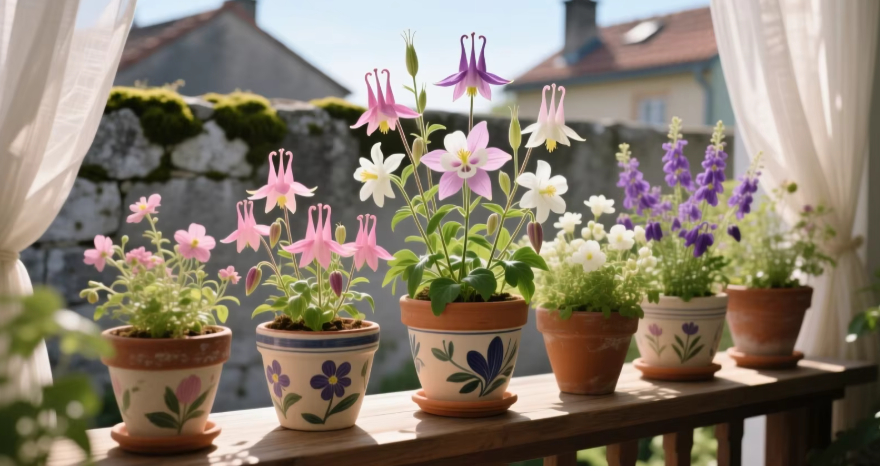
The blooms of columbine are instantly recognizable by their distinctive spurred petals, which extend gracefully backward like delicate hollow tubes filled with nectar. These flowers nod gently on slender stems and appear in an extraordinary range of colors — from soft pastels to deep jewel tones — often featuring two contrasting colors on the inner and outer petals, creating a layered, almost magical visual effect.
Columbines occupy an important ecological role in their native habitats. Their deep nectar spurs have co-evolved with specific pollinators, including hummingbirds, hawk moths, and long-tongued bumblebees, that are uniquely equipped to reach the nectar. This fascinating relationship between columbine and its pollinators is a celebrated example of co-evolutionary adaptation in the plant world.
In the garden, columbines are treasured for their versatility and charm. They bridge the gap between spring bulbs and summer perennials, blooming in late spring to early summer and filling borders, woodland gardens, and cottage-style plantings with graceful color. Their delicate, blue-green, fern-like foliage remains ornamental even after the flowers have faded.
Columbines are short-lived perennials that typically persist for about 3–4 years before fading. However, they compensate for this by self-seeding freely and generously, ensuring the colony renews and replenishes itself season after season. Over time, open-pollinated plants may produce spontaneous hybrids, introducing surprising and delightful new color combinations into the garden.
Throughout history, columbine has carried rich symbolic meaning across many cultures. It has appeared in Renaissance paintings as a symbol of the Holy Spirit, and in the language of flowers it has variously represented courage, wisdom, and ingenuity. Despite its beauty, it is important to note that all parts of the columbine plant are toxic if ingested, and care should always be taken around children and animals.
Also Read: How To Grow Creeping Jenny From Seeds
How to Grow and Care For Columbine Flower
- Choose the Right Location — Columbines perform best in a spot that receives morning sunlight and afternoon shade, especially in warmer climates where intense afternoon sun can stress the plants. In cooler regions, they can tolerate full sun, but dappled light beneath deciduous trees most closely mimics their natural woodland habitat and keeps them thriving.
- Prepare the Soil Properly — Columbines prefer humus-rich, well-draining soil with a slightly acidic to neutral pH of around 6.0–7.0. Before planting, work in generous amounts of well-rotted compost or aged organic matter to improve soil fertility, structure, and moisture retention without causing waterlogging around the roots.
- Planting Depth and Spacing — When planting columbine seedlings or divisions, set them at the same depth they were growing in their nursery pot. Space plants 12–18 inches apart to allow adequate airflow between them, which helps reduce the risk of fungal diseases and gives each plant room to develop its full, natural mounding shape.
- Watering Needs — Columbines prefer consistently moist soil, particularly during their first growing season while they are establishing their root systems. Water deeply and regularly, allowing the top inch of soil to dry slightly between waterings. Once established, they develop reasonable drought tolerance but still benefit from regular watering during hot, dry spells.
- Mulching for Moisture and Temperature — Apply a 2–3 inch layer of organic mulch such as shredded bark, leaf mold, or compost around the base of plants, keeping it away from the crown. Mulching helps retain soil moisture, suppresses weeds, regulates soil temperature, and gradually enriches the soil as it breaks down over the season.
- Fertilizing Correctly — Columbines are not heavy feeders and can thrive in moderately fertile soil without much supplemental feeding. A light application of a balanced, slow-release granular fertilizer in early spring as new growth emerges is generally sufficient. Avoid high-nitrogen fertilizers, which promote excessive leafy growth at the expense of flower production.
- Deadheading for Extended Blooming — Removing spent flowers promptly encourages the plant to continue producing new blooms rather than directing energy into seed production. Regular deadheading can noticeably extend the flowering season. However, if you want the plant to self-seed and naturalize in your garden, leave some spent flowers on the plant to develop and drop their seeds.
- Cutting Back After Blooming — Once the main flowering period has ended and foliage begins to look tired or tatty, cut the entire plant back by about one-third to one-half. This hard trim often stimulates a fresh flush of attractive new foliage and occasionally encourages a light second round of blooming later in the season.
- Managing Leaf Miners — Columbine leaf miners are one of the most common pests, creating distinctive winding white trails through the leaves. While unsightly, leaf miners rarely kill the plant. Remove and destroy affected leaves promptly, avoid overhead watering, and consider using row covers or neem oil treatments to manage persistent infestations effectively.
- Controlling Powdery Mildew — Powdery mildew can be a problem for columbines, particularly in humid conditions or where airflow is restricted. Ensure plants are properly spaced, water at the base rather than overhead, and treat early signs of mildew with a diluted neem oil or bicarbonate spray to prevent it from spreading to neighboring plants.
- Dividing Established Clumps — Although columbines self-seed readily, established clumps can be divided every 2–3 years in early spring or autumn to rejuvenate them and create new plants. Dig up the clump carefully, separate it into sections ensuring each division has healthy roots and shoots, and replant immediately in prepared soil with good moisture.
- Encouraging Self-Seeding — To allow columbines to naturalize and spread through the garden, leave a portion of spent flower heads on the plant to mature and release their seeds. Seeds will fall and germinate naturally the following spring. Keep in mind that self-seeded plants from hybrid varieties may not breed true and can produce wonderfully unexpected color variations.
- Overwintering Care — Columbines are hardy perennials in most temperate climates and require very little special winter care. After the foliage dies back in autumn, cut stems down to the ground and apply a light layer of mulch over the crown to protect it from severe frost. New growth will emerge reliably again in early spring when temperatures begin to warm.
- Dealing With Slugs and Aphids — Slugs are attracted to the soft, tender new foliage of columbine in spring, while aphids may cluster on stems and buds during the growing season. Use organic slug pellets or beer traps for slug control, and treat aphid infestations with a strong jet of water or insecticidal soap spray applied in the early morning for best results.
- Replacing Aging Plants — Since columbines are short-lived perennials with a natural lifespan of just 3–4 years, it is good practice to start new plants from seed or divisions every couple of years to ensure you always have vigorous, flowering plants in the garden. Keeping a rolling cycle of young and established plants guarantees continuous beauty and color season after season.
Also Read: Types of Columbine Flowers