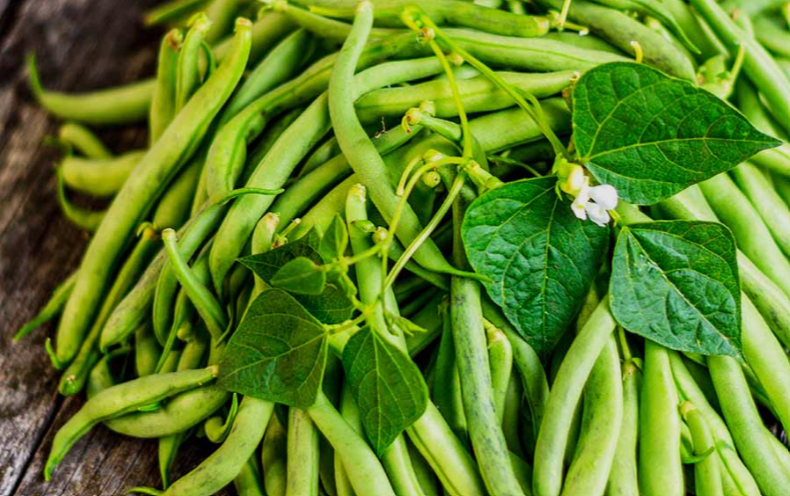
The different types of green beans nearly all belong to a single species, the common bean. Green beans are harvested while the pods are still young and tender and the seeds inside are undeveloped. The plant is native to Central and South America, and the pods are also known as snap beans or string beans.
Growth habit is the first way to tell the types apart. Bush beans stand about 2 feet tall and support themselves, pole beans twine up a trellis to 6 feet or more, and half-runners sit between the two. Bush beans take about 50 to 60 days to mature, and pole beans take 60 days or longer.
The pods vary just as much. They can be round or flat, 4 inches or more than a foot long, and green, yellow, purple or streaked. Flat Italian beans are called Romano types, very slim French beans are called filet types, and yellow beans are called wax beans.
Most modern varieties have no strings, even though the old name survives. The 30 green beans below represent every one of these groups, and each entry notes where they are grown.
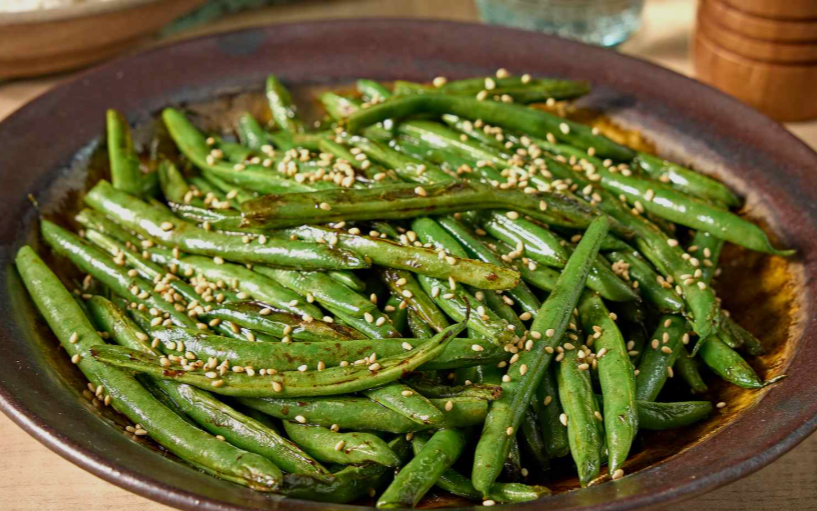
1. Blue Lake 274
Blue Lake 274 is the best-known bush green bean. Its pods are round, plump and about 6 inches long. They are dark green and stringless. The flavor is sweet and mild. The plants are compact and upright. It matures in about 58 days.
The University of Minnesota describes bush beans as upright plants about 2 feet tall that need no support. Blue Lake 274 ripens most of its pods within a short period. That habit makes it a favorite for canning and freezing. It was bred from a famous pole bean of the Pacific Northwest. Its white seed prefers warm soil at planting. It is grown in Oregon, Wisconsin, New York, Michigan and Florida.
2. Provider
Provider is an early bush bean prized for reliability. Its pods are round and straight. They measure about 5 inches long. The color is medium green. The flavor is strong and distinctly beany. It matures in about 50 days.
The University of Delaware describes it as an easy, early bean that germinates well in cool soil. That trait lets gardeners plant it ahead of other varieties. It resists common bean mosaic virus. Home gardeners in North Dakota trials preferred it for earliness and yield. They also liked its long harvest. It is grown across the northern United States and Canada.
3. Contender
Contender is a heavy-yielding bush bean. Its pods are 6 to 7 inches long. They are slightly curved. The color is medium green. The pods are tender and stringless when young. It matures in about 53 days.
The University of Missouri describes it as mosaic-resistant, heat-tolerant and high-yielding. It sets pods in both hot and cool weather. That makes it useful for early and late plantings. It has been a garden standard since the 1940s. Its flavor is richer than that of many early beans. It is grown in the Midwest, the South and the northern states.
4. Tendergreen
Tendergreen is an old bush bean with thick, meaty pods. The pods are round and about 6 inches long. They are dark green. They have no strings. The flavor is full and old-fashioned. An improved strain matures in about 56 days.
Michigan State University has listed it for home gardens for decades. It bears over several weeks instead of all at once. That suits gardeners who pick a little at a time. It was one of the most popular garden beans of the mid-1900s. Its seed is dark and mottled. It is grown in Michigan, the Midwest and New England.
5. Tendercrop
Tendercrop is a bush bean with tender, dark green pods. The pods are round and straight. They reach about 5 inches. They are stringless. The plants carry their pods well above the soil. It matures in about 53 days.
The University of Missouri notes that it resists mosaic virus. Michigan State University includes it among its bush green beans. The pods keep their quality well after picking. It is good both fresh and frozen. The upright plants are easy to harvest. It is grown in the Midwest, the Northeast and the Mid-Atlantic.
6. Top Crop
Top Crop is among the earliest green beans. Its pods are round and straight. They are about 6 inches long. The color is medium green. The texture is meaty. It matures in about 50 days.
It won a national garden award in 1950. It bears a large crop in a short time. That suits people who preserve their beans. Its seed is brown and mottled. The plants are compact and tidy. It is grown in the northern states and the Mountain West.
7. Jade
Jade is a bush bean with long, slim pods. The pods are straight. They reach 6 to 7 inches. Their color is a deep, dark green. The flavor is sweet. It matures in about 55 to 60 days.
North Dakota gardeners described its pods as darker green and beautiful. It keeps producing longer than most bush beans. The pods stay tender while they hang on the plant. It handles summer heat well. Its pale seed does best in warm soil. It is grown in the northern Plains, the Northeast and the Pacific Northwest.
8. Derby
Derby is a bush bean bred for easy picking. Its pods are round and straight. They are about 7 inches long. They pull away from the plant with little effort. The color is medium green. It matures in about 57 days.
It won a national garden award in 1990. The pods stay tender even when they grow large. The plants resist several common diseases. It yields over a longer period than most bush beans. It freezes well. It is grown across the United States.
9. Empress
Empress is an heirloom bush bean. Its pods are large and straight. They are deep green. They are stringless and meaty. The flavor is rich. It matures in about 55 days.
It was first introduced by a seed company in South Dakota. It is especially valued for freezing. Seed savers kept it alive after most catalogs dropped it. It bears heavily. It performs well in northern gardens. It is grown in the northern Plains and by heirloom gardeners elsewhere.
10. Maxibel
Maxibel is a French filet bean. Its pods are very slender and straight. They are about 7 inches long. The color is dark green. The texture is fine and delicate. It matures in about 50 to 60 days.
The University of Maryland notes that French filet beans are sold in both bush and pole forms. In North Dakota trials Maxibel germinated especially well in cool soil for a filet type. The pods need picking every day or two. They become tough if left too long. They are usually cooked whole. It is grown in France, the Northeast and the Pacific Northwest.
11. Velour
Velour is a purple filet bean. Its pods are slim and straight. They are deep purple. They turn green when blanched. The plants are compact. It matures in about 55 days.
It joins the fine texture of a French bean with purple color. The pods stand out clearly against the green leaves. That makes picking quick. It fits small gardens and containers. It is a fairly recent introduction. It is grown in the Northeast, the Pacific Northwest and Europe.
12. Roma II
Roma II is a bush version of the Italian flat bean. Its pods are wide and flat. They are about 5 inches long. The color is medium green. The flavor is rich and distinctive. It matures in about 59 days.
Flat-podded beans are known as Romano types. Roma II was bred to offer that flavor on a compact plant. The pods stay tender when large. They hold their shape in soups and stews. It freezes well. It is grown in Italy, California, the Northeast and the Midwest.
13. Romano Pole
Romano Pole is the climbing form of the Italian flat bean. Its pods are broad and flat. They reach about 6 inches. They are meaty and stringless. Many cooks prefer its flavor to that of the bush form. It bears in about 65 days.
The University of Maryland notes that flat-pod Romano beans are available in both bush and pole types. The pole form yields over a much longer season. The vines climb 6 feet or more. It needs a sturdy trellis. It is a traditional bean in Italian cooking. It is grown in Italy, California and the Northeast.
14. Dragon Tongue
Dragon Tongue is a Dutch heirloom with striking pods. The pods are flat and creamy yellow. They are streaked with purple. The streaks fade when the beans are cooked. The flesh is crisp and juicy. It matures in about 60 days.
It can be eaten as a snap bean or left to mature for shelling. The plants are bushy. They bear heavily. It is a favorite at farmers’ markets. The flavor is sweet. It is grown in the Netherlands, the Northeast and the Pacific Northwest.
15. Purple Queen
Purple Queen is a glossy purple bush bean. Its pods are round and straight. They are about 6 inches long. They are stringless. The plants have purple stems and flowers. It matures in about 52 days.
The University of Missouri lists it among recommended snap beans and notes that its purple pods turn green when cooked. It is ornamental as well as productive. It bears early. The dark pods are easy to find among the leaves. Its flavor is good. It is grown in Missouri, the Midwest and the Northeast.
16. Royal Burgundy
Royal Burgundy is a purple-podded bush bean. Its pods are deep purple. They are about 5 inches long. The University of Minnesota notes that purple coloring disappears during cooking. The cooked beans look dark green. It matures in about 55 days.
In North Dakota trials most gardeners preferred it to another purple variety. It germinated well in cool soil. It grew vigorously. The plants are upright. The purple pods speed up picking. It is grown in the northern Plains, the upper Midwest and Canada.
17. Royalty Purple Pod
Royalty Purple Pod is an older purple bush bean. Its pods are bright purple. They are about 5 inches long. They are tender when young. The flavor is mild and slightly sweet. It matures in 55 to 60 days.
It was bred at the University of New Hampshire. It was selected to germinate in cooler soil. It is a steady producer. Its purple flowers are attractive. North Dakota gardeners rated it close to Royal Burgundy. It is grown in New England and the northern states.
18. Gold Rush
Gold Rush is a yellow wax bean. Its pods are round and straight. They are 5 to 6 inches long. They are yellow with green tips. They are stringless, with excellent flavor. It matures in about 54 days.
Wax beans are snap beans with yellow pods. Gold Rush pods hold well on the plant. The plants are vigorous. Yields are high. It is a common market variety. It is grown in the Northeast, the Midwest and the Pacific Northwest.
19. Cherokee Wax
Cherokee Wax is a hardy yellow bush bean. Its pods are oval and golden. They are about 6 inches long. They are stringless. The seed is black. It matures in about 52 days.
It was released in South Carolina in the 1940s. It won a national garden award. It bears well in poor weather. It resists several diseases. Its black seed tolerates cool soil. It is grown in the Southeast, the Midwest and the northern states.
20. Pencil Pod Black Wax
Pencil Pod Black Wax is an heirloom yellow bean. Its pods are round and slender. They are about 6 inches long. They are golden yellow. They are stringless. It matures in about 55 days.
It dates from about 1900. Its name describes its straight, pencil-like pods. The seed is black. It remains popular for canning and pickling. The flavor is rich for a wax bean. It is grown in the northern states and by heirloom gardeners.
21. Kentucky Wonder
Kentucky Wonder is the most famous pole bean. Its pods are long and slightly flattened. They reach up to 9 inches. They are meaty and full-flavored. The vines climb 6 feet or more. It starts bearing in about 65 days.
It has been grown since the 1800s. The pods are used young as snap beans. Older pods can be shelled. The University of Minnesota notes that pole beans continue to flower and bear until frost. A bush form is also sold. It is grown across the United States.
22. Blue Lake Pole
Blue Lake Pole is the original Blue Lake bean. Its pods are round and straight. They are about 6 inches long. They are dark green. They are sweet and tender. It bears in about 63 days.
It was the foundation of the bean-canning industry in the Pacific Northwest. Many gardeners rank its flavor above that of the bush form. It produces over a long season. The vines are vigorous. It needs a tall trellis. It is grown in Oregon, Washington, California and the Northeast.
23. Fortex
Fortex is a pole bean with extremely long pods. The pods can reach 10 inches or more. They are round and slender. They are dark green. They stay tender and stringless at any length. It bears in about 60 days.
The University of California notes that pole beans yield about three times as much as bush beans in the same space. They also keep bearing until the first frost. Fortex is a French variety. It can be picked small as a filet bean. It is a favorite of market growers. It is grown in France, California, the Northeast and the Pacific Northwest.
24. Kentucky Blue
Kentucky Blue is a cross of Kentucky Wonder and Blue Lake. Its pods are round and straight. They are about 7 inches long. They are sweet. They are stringless. It matures in about 65 days.
The University of Delaware lists it among successful varieties for home gardens. It won a national garden award in 1991. It bears earlier than many pole beans. The vines are productive. It combines the best traits of both parents. It is grown in the Mid-Atlantic, the Midwest and the South.
25. Rattlesnake
Rattlesnake is a pole bean with streaked pods. The pods are green with purple stripes. They are about 7 inches long. The stripes fade when cooked. The flavor is sweet. It bears in about 65 days.
It tolerates heat and drought better than most pole beans. That makes it popular in the South. The vines can climb 10 feet. The mature seeds are speckled. They can be used as dry beans. It is grown in the Southeast, Texas and the Southwest.
26. Lazy Housewife
Lazy Housewife is a very old pole bean. Its pods are green and slightly curved. They are about 5 to 6 inches long. They hang in clusters. The seeds are white. The flavor is good.
The name is said to come from its being one of the first stringless snap beans. That spared cooks the work of stringing. It is slow to mature. It produces right up until frost. It dates from the early 1800s. It is grown by heirloom gardeners in the Northeast and Midwest.
27. Trionfo Violetto
Trionfo Violetto is an Italian purple pole bean. Its pods are slender and deep purple. They are about 7 inches long. They turn green when cooked. The vines have purple stems and lavender flowers. It bears in about 65 days.
It is ornamental enough to grow over a garden arch. The pods are stringless. They are tender. It yields heavily. Its name means purple triumph. It is grown in Italy, the Northeast and the Pacific Northwest.
28. White Half Runner
White Half Runner is the traditional bean of the southern Appalachians. Its pods are light green. They are about 4 inches long. The flavor is rich and sweet. The seeds are white. It matures in about 60 days.
The University of Maryland describes half-runners as having a growth habit between that of bush and pole beans. The vines reach about 3 feet. The pods usually have strings. These are removed before cooking. It is prized for canning. It is grown in West Virginia, Kentucky, Tennessee and North Carolina.
29. Scarlet Runner
The scarlet runner is a separate species from the common green bean. It is a vigorous climber. Its flowers are bright red. Its pods are long, flat and rough-skinned. They are eaten young, like green beans. The flavor is rich.
It prefers cool summers. It sets few pods in hot weather. That makes it the main garden bean in Britain. Hummingbirds are drawn to its flowers. It is often grown as an ornamental vine. It is grown in Britain, the Pacific Northwest, coastal New England and Alaska.
30. Yardlong Bean
The yardlong bean is a relative of the green bean, not a true one. Its pods are very thin. They can grow well over a foot long. They are used like green beans, especially in stir-fries. It is also called the asparagus bean. The vines climb strongly.
The University of Maryland notes that it needs warm temperatures and a long growing season. It thrives in heat that stops common beans from setting pods. It is closely related to the southern cowpea. Northern gardeners often find it less dependable than regular green beans. It is a staple vegetable in much of Asia. It is grown in Southeast Asia, China, the southern United States and California.
Key Takeaways:

Green beans are one of the most versatile, widely grown, and universally beloved vegetables in the world, cultivated in home gardens and on commercial farms across every continent. Known by many names — string beans, snap beans, French beans, and haricots verts among them — green beans come in a remarkable diversity of varieties that differ in size, shape, flavor, texture, color, and growing habit.
Whether you prefer them crisp and slender, broad and meaty, climbing vigorously up a trellis, or staying compact in a container, there is a green bean variety perfectly suited to every garden, kitchen, and palate. Unlike dried beans, green beans are eaten whole—pod and all—making them a quick and convenient vegetable rich in fiber, vitamins, and antioxidants.
In the kitchen, green beans are highly versatile and can be prepared in numerous ways. They are commonly steamed, boiled, sautéed, or stir-fried, often paired with ingredients like garlic, butter, or olive oil to enhance their natural flavor. Their ability to retain a slight crunch when properly cooked makes them a popular addition to salads, side dishes, and vegetable medleys.
Green beans also feature in a variety of global cuisines, from simple home-style dishes to more complex recipes. They can be incorporated into casseroles, soups, and curries, or preserved through pickling and freezing.
Sources:
- University of Minnesota Extension: Growing beans in home gardens
- University of Missouri Extension: Recommended vegetable varieties
- University of California: Caring for Beans
- University of Maryland Extension: Growing beans in a home garden
- University of Delaware: Beans
- Michigan State University: garden beans bulletin
- North Dakota State University: home garden variety trials, 2010
- North Dakota State University: home garden variety trials, 2011
- North Dakota State University: home garden variety trials, 2012
- North Dakota State University: home garden variety trials, 2013
- The American Gardener: heirloom snap beans
- True Leaf Market: Royalty Purple Pod bush bean
- Seed list: Gold Rush, Provider and Velour descriptions