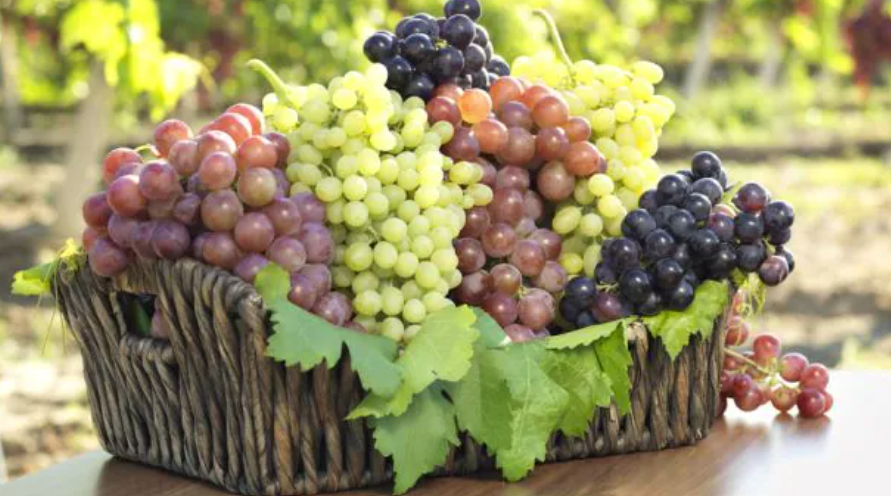
Types of grapes carry a genuinely surprising amount of recently confirmed scientific history behind them, since many of the parentage stories long assumed true in winemaking circles were only actually proven starting in the 1990s, when DNA fingerprinting technology finally let researchers test centuries of oral tradition against hard genetic evidence. The University of California Davis’s viticulture program confirmed several genuinely startling results this way, including Zinfandel’s true identity as a Croatian variety and Cabernet Sauvignon’s surprisingly recent, almost accidental origin as a natural vineyard cross rather than any deliberately bred variety.
That DNA research also clarified a genuine, fundamental split worth understanding before diving into specific varieties. Most classic wine grapes belong to a single European species that’s been cultivated in thousands of distinct varieties across millennia, while several grapes native to North America belong to an entirely different, separately evolved species that developed considerable natural disease resistance the European vines never needed. That native resistance became genuinely critical in the late 19th century, when a root-feeding pest called phylloxera devastated European vineyards, and grafting European vines onto native American rootstock is still standard practice across most of the world’s wine regions today.
Statistics vary considerably in how well documented they are across different varieties, since a grape with centuries of continuous cultivation and modern DNA confirmation offers considerably more verifiable detail than a newer commercial variety whose breeding records may be proprietary or simply less publicized. Where a genuine, specific figure or documented fact exists, it’s included here; where the record is genuinely thinner, the entry reflects that honestly rather than inventing precision that doesn’t exist.
The University of California Davis’s Foundation Plant Services grape program maintains detailed genetic and historical records for the vast majority of varieties covered here. What follows covers 45 types of grapes, including their origin and other relevant statistical data where possible.
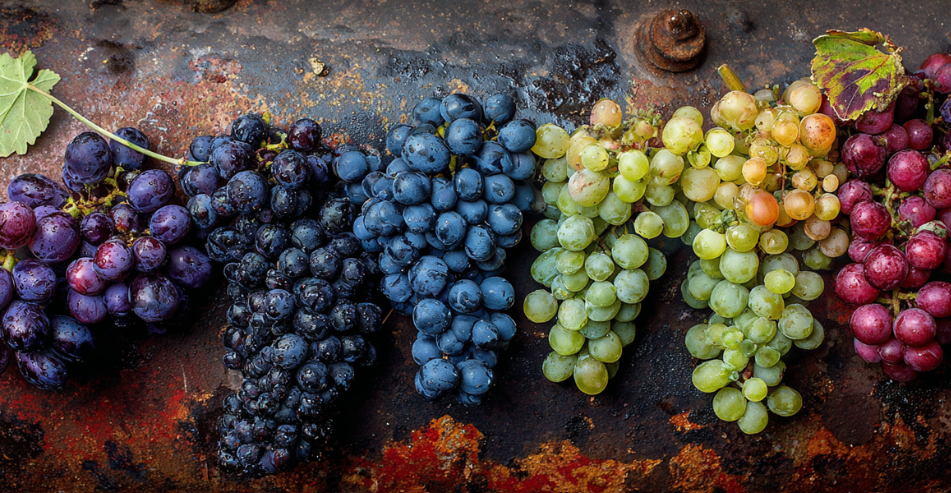
List of different Grape Varieties
Cabernet Sauvignon
Cabernet Sauvignon originated as a natural vineyard cross between Cabernet Franc and Sauvignon Blanc, a parentage only confirmed through DNA testing at UC Davis in 1996 after centuries of the grape’s true origin remaining a mystery. It’s now the most widely planted wine grape variety in the world by total vineyard acreage, grown commercially on nearly every wine-producing continent.
It thrives in a warm, well-drained vineyard site, its considerable tannin structure and thick skin making it genuinely well suited to extended barrel aging. The UC Davis Department of Viticulture and Enology published the original 1996 DNA research confirming this parentage.
Merlot
Merlot originated in Bordeaux, France, and DNA analysis has confirmed it as an offspring of Cabernet Franc, making it a genuine half-sibling to Cabernet Sauvignon through their shared parent. Its considerably softer tannin structure compared to Cabernet Sauvignon has made it one of the most widely planted red wine grapes globally, particularly valued for blending.
It thrives in a range of soil types, tolerating cooler conditions somewhat better than Cabernet Sauvignon while still producing genuinely full-bodied red wine.
Pinot Noir
Pinot Noir is genuinely among the oldest cultivated grape varieties still grown today, documented in Burgundy, France since Roman times and believed to be a nearly direct descendant of wild European grapevines. Its considerable genetic instability, a real and well-documented trait, has produced an unusually large number of color-mutant offspring varieties over the centuries.
It demands a genuinely cool climate and careful vineyard management, its thin skin making it considerably more disease-prone than thicker-skinned varieties.
Chardonnay
Chardonnay originated in Burgundy, France, and DNA testing confirmed in 1999 that it’s actually a natural cross between Pinot Noir and an obscure, largely forgotten variety called Gouais Blanc, a genuinely humble parentage for what’s become the world’s most widely planted white wine grape. Its remarkable adaptability to a wide range of climates and winemaking styles has made it genuinely ubiquitous in global wine production.
It tolerates a considerably wider range of growing conditions than most other classic wine grapes, part of why it’s achieved such widespread global cultivation.
Sauvignon Blanc
Sauvignon Blanc originated in the Bordeaux and Loire Valley regions of France, and DNA analysis confirmed it as one of the 2 parent grapes of Cabernet Sauvignon, making it genetically linked to one of the world’s most famous red wines despite its own distinctly different white wine character. Its considerably aromatic, herbaceous character has made it one of the most recognizable white wine styles by scent alone.
It thrives in a cooler climate, its considerable aromatic intensity developing most distinctly when grown in genuinely cool growing conditions.
Riesling
Riesling is a genuinely ancient German variety, documented in the Rhine region since at least the 15th century and considered by many wine experts among the most terroir-expressive white grapes grown anywhere. Its remarkable natural acidity allows it to produce everything from bone-dry to intensely sweet wine styles from the same grape.
It tolerates genuinely cold growing conditions better than most other classic wine grapes, thriving in regions too cool for many other varieties to properly ripen.
Syrah
Syrah, also called Shiraz in Australia and South Africa, was confirmed through DNA analysis to have originated in France’s Rhône Valley as a natural cross between 2 obscure regional varieties called Dureza and Mondeuse Blanche. Its considerable global popularity under the Shiraz name in Australia reflects a genuinely successful 20th-century export of a variety with deep French roots.
It thrives in a warm climate, its thick skin and considerable tannin structure producing genuinely full-bodied, deeply colored red wine.
Cabernet Franc
Cabernet Franc, one of the 2 confirmed parent grapes of Cabernet Sauvignon, originated in the Bordeaux and Loire Valley regions of France and is genuinely older than its more famous offspring. Its considerably lighter body and herbaceous character have made it a valued blending grape as well as a genuine varietal wine in its own right, particularly in the Loire Valley.
It ripens somewhat earlier than Cabernet Sauvignon, a genuine practical advantage in a cooler vintage or growing region.
Sangiovese
Sangiovese is genuinely the most widely planted red wine grape in Italy, with deep historical roots in Tuscany and a name believed to derive from the Latin phrase for “blood of Jove.” Its considerable acidity and moderate tannin structure make it the backbone of Chianti and several other classic Tuscan wines.
It thrives in a warm, Mediterranean climate, its considerable versatility supporting everything from simple everyday wine to genuinely age-worthy premium bottlings.
Nebbiolo
Nebbiolo is a genuinely ancient Italian variety native to the Piedmont region, its name believed to derive from the Italian word for fog, a reference to the autumn mist common in its hillside growing areas during harvest. Its considerable tannin and acidity produce some of Italy’s most genuinely age-worthy red wines, including Barolo and Barbaresco.
It demands a genuinely specific combination of soil and climate to ripen properly, part of why its cultivation remains largely concentrated in its native Piedmont region.
Tempranillo
Tempranillo is genuinely Spain’s most important red wine grape, its name derived from the Spanish word for “early,” referencing its tendency to ripen earlier than many other Spanish varieties. Its considerable presence throughout Rioja and Ribera del Duero has made it central to Spain’s wine industry and identity.
It thrives in a continental climate with genuine temperature variation between day and night, developing more complex flavor under those fluctuating conditions.
Grenache
Grenache, called Garnacha in its native Spain, likely originated in the Aragon region before spreading extensively throughout southern France and becoming a genuine cornerstone of Rhône Valley blends. Its considerable drought tolerance and high sugar accumulation make it well suited to a hot, dry Mediterranean climate.
It tolerates genuine heat and drought better than most other classic wine grapes, thriving in exactly the arid conditions common across its Mediterranean growing range.
Malbec
Malbec originated in the Cahors region of southwestern France, though it’s become genuinely far more strongly associated with Argentina today, where it now covers considerably more vineyard acreage than in its country of origin. Its considerable adaptation to Argentina’s high-altitude Mendoza region has produced a genuinely distinct wine style from its more rustic French origin.
It thrives at genuine high altitude, its considerable sun exposure at elevation contributing to the deep color and ripe fruit character Argentine Malbec is known for.
Zinfandel
Zinfandel was genuinely confirmed through DNA testing at UC Davis in 2001 to be identical to a Croatian grape called Crljenak Kaštelanski and closely related to the Italian variety Primitivo, resolving a genuine long-standing mystery about the grape’s American origins. Its considerable popularity in California, where it’s cultivated more than almost anywhere else in the world, has made it something of an adopted American signature grape despite its genuine Balkan roots.
It tolerates a warm climate well, its considerable sugar accumulation capacity making it suited to both dry red wine and the sweeter, pink style known as White Zinfandel. The University of California Agriculture and Natural Resources program documents the 2001 genetic research that resolved this long-standing origin mystery.
Gewürztraminer
Gewürztraminer is a genuinely aromatic pink-skinned variety believed to have developed from the ancient Traminer grape in the German and Alpine wine regions, its name literally translating to “spicy Traminer” in reference to its distinctive perfumed character. Its considerable aromatic intensity, often described as lychee and rose petal, makes it one of the most immediately identifiable white wines by scent alone.
It thrives in a cool climate, its considerable aromatic compounds developing most distinctly under cooler growing conditions.
Viognier
Viognier originated in France’s Rhône Valley and came genuinely close to disappearing entirely in the 20th century, with vineyard acreage dropping to just a small handful of hectares before a dedicated revival effort brought it back into wider cultivation. Its considerable aromatic richness, often compared to apricot and honeysuckle, has made that revival a genuine wine world success story.
It demands careful vineyard management, its considerable tendency toward low natural acidity requiring real attention to harvest timing.
Pinot Gris
Pinot Gris, called Pinot Grigio in Italy, is genuinely a color-mutant offspring of Pinot Noir, sharing that variety’s genetic instability but developing a distinctive grayish-pink skin rather than Pinot Noir’s typical dark color. Its considerable stylistic range, from Italy’s crisp, light Pinot Grigio to Alsace’s richer, more textured Pinot Gris, reflects genuinely different winemaking traditions applied to the same underlying grape.
It tolerates a range of climates, its considerable versatility supporting 2 genuinely distinct global wine styles from a single variety.
Muscat
Muscat represents genuinely one of the oldest known grape families, with a considerable number of related varieties tracing back to ancient Mediterranean and Middle Eastern cultivation predating most other grapes on this list by a significant margin. Its distinctive, intensely floral aroma is so genuinely recognizable that Muscat is one of the few grapes whose wine actually smells and tastes like the fresh grape itself.
It thrives in a warm, sunny climate, producing everything from dry table wine to intensely sweet dessert wine depending on how it’s vinified.
Chenin Blanc
Chenin Blanc originated in France’s Loire Valley, where it remains genuinely central to the region’s white wine production, capable of producing dry, sparkling, and intensely sweet botrytized wine styles from the same grape. Its considerable global cultivation in South Africa, where it’s actually planted on more acreage than in France, reflects a genuinely successful colonial-era grape migration.
It tolerates a range of climates, its considerable natural acidity supporting the genuinely wide stylistic range it’s known for.
Semillon
Semillon originated in the Bordeaux region of France, where it’s traditionally blended with Sauvignon Blanc and plays a genuinely central role in the production of Sauternes, one of the world’s most famous sweet wines. Its considerable susceptibility to noble rot, a beneficial fungal infection that concentrates sugar, is exactly what makes it so valuable for that sweet wine style.
It thrives in a climate with genuine autumn humidity, those damp conditions being exactly what encourages the noble rot its sweet wine production depends on.
Barbera
Barbera is genuinely one of the most widely planted red grape varieties in Italy’s Piedmont region, valued historically as an everyday wine grape though increasingly recognized for genuinely serious, age-worthy bottlings in recent decades. Its considerable natural acidity, even at full ripeness, makes it a genuinely food-friendly wine style.
It thrives in a warm climate, ripening reliably even in a site too warm or low-lying for the more demanding Nebbiolo grown in the same region.
Cortese
Cortese is native to Italy’s Piedmont region, most famous as the sole grape behind Gavi, a genuinely crisp, mineral-driven white wine considered one of the region’s finest white wine expressions. Its considerable natural acidity and relatively neutral flavor profile make it a genuinely food-focused, rather than aromatically showy, white wine grape.
It thrives in a cooler hillside vineyard site, its considerable acidity developing most distinctly under those cooler growing conditions.
Albariño
Albariño, called Alvarinho across the border in Portugal, is native to the Galicia region of northwestern Spain, where its considerable natural acidity and citrus character have made it the signature white grape of the Rías Baixas wine region. Its genuine resistance to the region’s damp, maritime climate reflects centuries of adaptation to exactly those humid coastal conditions.
It tolerates genuine humidity and coastal maritime conditions better than most other classic white wine grapes, thriving in exactly the damp climate its native region provides.
Torrontés
Torrontés developed in Argentina, believed to be a natural cross involving Muscat of Alexandria, making it one of the relatively few genuinely significant wine grapes to have originated in South America rather than being imported from Europe. Its considerable aromatic intensity, similar to Muscat, has made it Argentina’s signature white wine grape.
It thrives at genuine high altitude, its considerable aromatic character developing most distinctly in the cooler, sun-intense conditions Argentina’s elevated vineyards provide.
Carménère
Carménère originated in Bordeaux, France, and was widely believed extinct after the phylloxera epidemic devastated European vineyards in the late 19th century, until it was genuinely rediscovered growing in Chile in 1994, having been misidentified as Merlot for over a century. Its considerable rediscovery story has made it something of a genuine national symbol for Chilean winemaking today.
It thrives in Chile’s warm Central Valley climate, ripening considerably later than Merlot, the variety it had long been mistaken for throughout that century of misidentification. The UC Davis Foundation Plant Services program documents the 1994 genetic identification that resolved Carménère’s century-long misidentification as Merlot.
Petite Sirah
Petite Sirah, also called Durif, originated in France in the 19th century as a deliberate cross between Syrah and an obscure variety called Peloursin, created by and named after botanist François Durif. Its considerable tannin structure and deep color have made it a genuinely robust, full-bodied red wine, particularly popular in California.
It tolerates a warm climate well, its considerably thick skin producing deeply colored, tannic wine even under intense sun exposure.
Mourvèdre
Mourvèdre, called Monastrell in its native Spain, is genuinely one of the oldest cultivated grape varieties on the Iberian Peninsula, later spreading extensively into southern France where it became a key component of Rhône Valley blends. Its considerable heat and drought tolerance make it well suited to Mediterranean growing conditions.
It demands genuine warmth and a long growing season to ripen fully, thriving in exactly the hot, dry climate its native and adopted regions both provide.
Carignan
Carignan originated in the Aragon region of Spain, later spreading extensively across southern France where it once covered more vineyard acreage than any other single red grape variety in the country. Its considerable natural vigor and productivity made it historically valued for bulk wine production, though old-vine Carignan has seen genuine quality-focused revival in recent decades.
It tolerates poor, dry soil and considerable drought, historically valued specifically for its reliable productivity in exactly those difficult growing conditions.
Aglianico
Aglianico is a genuinely ancient variety believed to have been introduced to southern Italy by Greek colonists over 2,000 years ago, making it one of the oldest continuously cultivated grapes on the entire Italian peninsula. Its considerable tannin and acidity produce genuinely age-worthy red wine, particularly in the Campania and Basilicata regions where it’s most concentrated.
It thrives on volcanic soil, its considerable structure and intensity often linked to the mineral-rich volcanic vineyards where it’s traditionally grown.
Montepulciano
Montepulciano is native to central Italy, most closely associated with the Abruzzo region, and produces genuinely approachable, fruit-forward red wine that’s become one of Italy’s most widely exported everyday wine styles. Its considerable name confusion with the unrelated Tuscan town of Montepulciano, home to a genuinely different wine made primarily from Sangiovese, trips up many casual wine drinkers.
It thrives in a warm climate, its considerable productivity and reliable ripening making it a genuinely practical, widely planted commercial variety.
Concord Grape
Concord grape was developed by Ephraim Wales Bull in Concord, Massachusetts in 1849, a genuine native American variety bred specifically for the region’s cold climate after Bull tested thousands of seedlings before selecting the one that became Concord. Its considerable “foxy” flavor, a genuinely distinct musky character found in native American grape species, has made it the defining flavor most Americans associate with grape juice and jelly.
It tolerates genuine cold far better than European wine grapes, its native American parentage giving it real hardiness suited to a considerably harsher climate than most classic wine regions experience. The Cornell University Cooperative Extension’s grape breeding program documents Concord’s continued importance to American cold-climate viticulture.
Muscadine
Muscadine belongs to a genuinely distinct native species found throughout the southeastern United States, considerably more disease-resistant than European grapes and naturally adapted to the region’s hot, humid summers. Its thick skin and large, genuinely distinctive seeds set it apart structurally from nearly every other grape on this list.
It tolerates heat and humidity considerably better than any European wine grape, thriving in exactly the climate that would cause serious disease pressure for a more traditional vinifera variety.
Niagara Grape
Niagara grape was developed in Niagara, New York in the 1860s as a white-fruited counterpart to Concord, sharing that variety’s genuine native American parentage and considerable cold hardiness. Its distinctive musky, “foxy” aroma mirrors Concord’s flavor profile in a green-skinned package.
It tolerates genuine cold well, its native American heritage giving it real hardiness for a considerably colder climate than most wine grape regions require.
Catawba
Catawba is among the oldest cultivated American grape varieties, a natural hybrid discovered in North Carolina in the early 19th century and named after the Catawba River. Its considerable historical importance in early American winemaking, particularly around Cincinnati and the Finger Lakes region, made it genuinely significant before Concord eventually overtook its popularity.
It tolerates a range of climates, its considerable historical role in establishing American commercial viticulture giving it real significance beyond its modern, more modest cultivation.
Scuppernong
Scuppernong is a genuine specific muscadine cultivar and holds the distinction of being North Carolina’s official state fruit, its bronze-colored skin and musky sweetness making it a beloved regional specialty throughout the American South. Its considerable historical significance includes being among the first grape varieties cultivated by European colonists in North America.
It tolerates heat and humidity remarkably well, sharing its broader muscadine species’ genuine resistance to the disease pressure common in its native southeastern range.
Thompson Seedless
Thompson Seedless traces its origin to ancient Middle Eastern and Turkish cultivation before being popularized in California by grower William Thompson in the late 19th century, and it’s genuinely the most widely planted table and raisin grape in the world today. Its considerable versatility, used fresh, dried into raisins, and for juice and wine production, makes it one of the most economically significant grape varieties grown anywhere.
It thrives in a warm, dry climate, its considerable sugar content and seedless fruit making it particularly well suited to raisin production specifically.
Red Globe
Red Globe was developed in California, bred specifically for its genuinely large fruit size and deep red color, both valued traits for the fresh table grape market. Its considerable size, among the largest of any commonly grown table grape, makes individual berries genuinely striking on a produce shelf.
It thrives in a warm climate, its considerable fruit size requiring careful vineyard management to develop properly.
Flame Seedless
Flame Seedless was developed through a USDA and University of California breeding program, bred specifically to combine genuine seedlessness with a deep red color and crisp texture. Its considerable popularity as a fresh eating grape reflects decades of deliberate breeding aimed squarely at consumer preference.
It thrives in a warm, dry climate, its considerable commercial success reflecting the same California breeding infrastructure responsible for several other modern table grape varieties.
Cotton Candy Grape
Cotton Candy grape is a genuinely modern, trademarked variety developed by California breeders at International Fruit Genetics, first introduced commercially in the early 2010s and bred specifically to produce a flavor profile that authentically resembles cotton candy. Its considerable novelty and distinctive flavor achieved through conventional crossbreeding rather than any genetic modification made it a genuine sensation upon its market debut.
It thrives in a warm California climate, its considerable and deliberately engineered flavor profile representing a genuinely modern approach to table grape breeding.
Moon Drop Grape
Moon Drop grape, also developed by California’s International Fruit Genetics breeding program, is bred specifically for its unusual elongated, almost finger-like shape and genuinely crisp, sweet flavor. Its considerable visual novelty has made it a distinctive specialty item in produce sections alongside its Cotton Candy relative.
It thrives in a warm, dry climate, its unusual shape and considerable sweetness reflecting the same modern breeding program responsible for several other novelty table grape varieties.
Kyoho Grape
Kyoho grape was developed in Japan in the mid-20th century as a deliberate cross between 2 American hybrid varieties, and it’s since become genuinely one of the most popular table grapes across East Asia. Its considerable size, deep purple-black color, and rich, sweet flavor have made it a premium fresh-eating grape throughout Japan, China, and Korea.
It thrives in a temperate climate, its considerable popularity across East Asian markets reflecting decades of dedicated cultivation since its mid-20th-century development.
Isabella Grape
Isabella grape is a genuine early American hybrid variety, developed in the early 19th century and historically significant as one of the first American grapes widely exported for winemaking in parts of Europe and South America. Its considerable “foxy” flavor, shared with several other native American hybrid varieties, made it genuinely distinctive compared to the European wine grapes it was sometimes planted alongside.
It tolerates a range of climates, its considerable historical export significance reflecting genuine 19th-century international interest in American grape varieties.
Norton Grape
Norton grape is a genuine native American variety and the official state grape of Missouri, historically significant as one of the few American native varieties capable of producing wine genuinely comparable in quality to European vinifera styles. Its considerable disease resistance made it a valuable variety in the difficult decades following the phylloxera epidemic that devastated European vineyards.
It tolerates humidity and fungal disease pressure considerably better than European wine grapes, its native American resistance genuinely proving valuable in a challenging Midwestern climate.
Chasselas
Chasselas is a genuinely ancient European variety, with disputed but considerably old origins somewhere in the Lake Geneva region of Switzerland or possibly further east, and it remains Switzerland’s most widely planted white grape today. Its considerable versatility as both a table grape and a wine grape reflects centuries of dual-purpose cultivation.
It thrives in a cool climate, its considerable historical importance in Swiss and French viticulture reflecting one of Europe’s oldest continuously cultivated grape traditions.
Trebbiano
Trebbiano is a genuinely ancient Italian variety, and by total global vineyard acreage, it’s among the most widely planted white grape varieties anywhere in the world, largely thanks to its considerable productivity and versatility for everyday wine, brandy, and vinegar production. Its considerable presence throughout central Italy has made it a genuine workhorse grape behind countless everyday Italian white wines.
It thrives in a warm climate, its considerable productivity and reliable ripening making it one of the most economically significant white grapes grown anywhere by sheer volume.
Key Takeaways
A grape is a fruit, botanically a berry, of the deciduous woody vines of the flowering plant genus Vitis. Grapes are a non-climacteric type of fruit, generally occurring in clusters. The cultivation of grapes began approximately 8,000 years ago, and the fruit has been used as human food throughout its history.
The grape is usually a woody vine, climbing by means of tendrils (modified branches) and when untrained often reaching a length of 17 metres (56 feet) or more. In arid regions it may form an almost erect shrub. The edible leaves are alternate, palmately lobed, and always tooth-edged. Small greenish flowers, in clusters, precede the fruit, which varies in colour from almost black to green, red, and amber.
Botanically, the fruit is a berry, more or less globular, within the juicy pulp of which lie the seeds. In many varieties the fruit develops a whitish powdery coating, or bloom.
Grapes contain such minerals as calcium and phosphorus and are a source of vitamin A. All grapes contain sugar (glucose and fructose) in varying quantities depending upon the variety. Those having the most glucose are the most readily fermented.
Grapes do best full sun to thrive. They can grow in part sun, but you will get less fruit. They are not suited to part shade or very shady conditions.