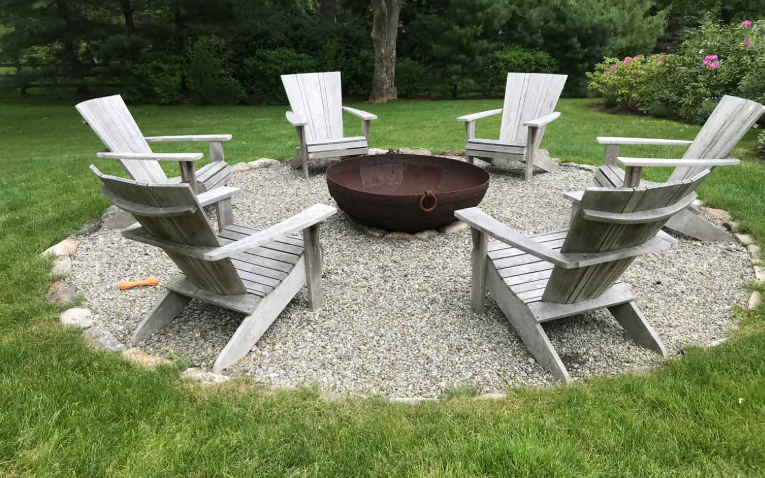
Gravel is one of the most versatile and cost-effective materials available for garden landscaping. It comes in a wide range of sizes, colours, and textures — from fine pea gravel and crushed slate to smooth river pebbles and white marble chippings — making it easy to match any garden style, whether cottage, contemporary, coastal, or Mediterranean. Its natural appearance blends effortlessly into outdoor spaces, adding texture and visual interest without overwhelming the planting.
From a practical standpoint, gravel offers excellent drainage, which makes it particularly valuable in areas prone to waterlogging or where water-sensitive plants are grown. When laid over a permeable weed-suppressing membrane, it significantly reduces the time and effort spent on garden maintenance, as it prevents weed growth and eliminates the need for mowing or watering grassed areas. It is also a much more environmentally friendly surface than concrete or tarmac, as it allows rainwater to percolate naturally back into the ground.
Gravel is remarkably durable and long-lasting compared to organic mulches like bark, which decompose and need regular topping up. Once laid correctly, a gravel garden can look pristine for years with minimal intervention — just an occasional rake to redistribute stones and remove any debris. It is also a budget-friendly option, with most types available at a relatively low cost per square metre, making it accessible for both small and large garden projects.
Other than its practical benefits, gravel serves as a neutral, elegant canvas that allows plants, sculptures, water features, and architectural elements to truly shine. Whether used as a pathway, a mulch, a patio surface, or a full garden makeover, gravel has the rare ability to look both natural and designed — a quality that few other landscaping materials can match.
Pro Tips for Gravel Gardening:
- Always lay a permeable weed-suppressing membrane beneath gravel to dramatically reduce weeding.
- Choose gravel that complements the colour of your home’s exterior for a cohesive look.
- Aim for a depth of at least 5–7 cm of gravel for effective weed suppression and a quality finish.
- Mix gravel sizes and textures for a more naturalistic, interesting result.
- Angular gravel locks together underfoot (great for paths), while rounded pea gravel shifts more freely (better for patios and decorative areas).
Ways to Use Gravel in Landscaping
Gravel Pathways
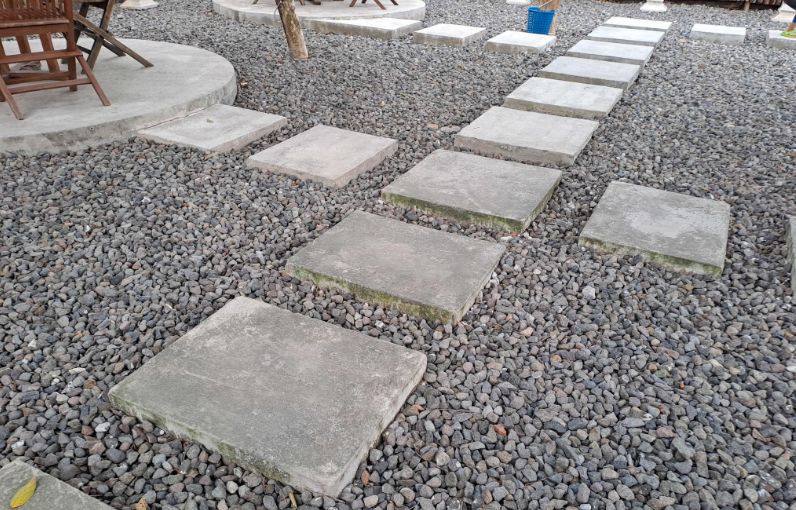
Gravel pathways are one of the most practical and visually appealing landscaping ideas for gardens. They create natural-looking walkways that blend seamlessly with plants and other features, while also providing excellent drainage. Gravel paths can be straight for a formal garden or curved for a more relaxed, organic feel. Edging materials such as metal, wood, or stone help keep the gravel in place and define the shape. The crunching sound underfoot also adds a sensory element that enhances the garden experience.
Gravel Mulch Beds
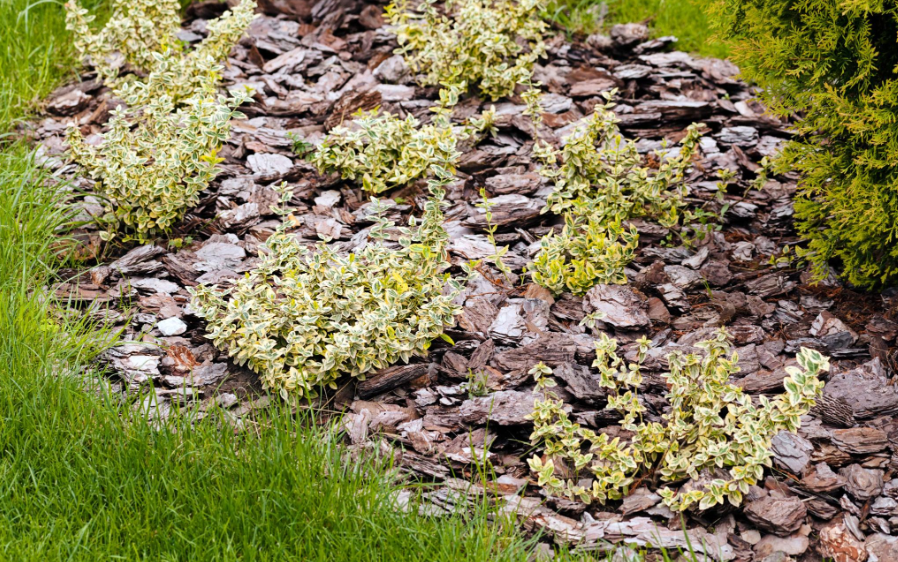
Using gravel as mulch in planting beds is an effective way to suppress weeds and retain soil moisture. Unlike organic mulch, gravel does not decompose, making it a long-lasting solution that requires minimal maintenance. It also reflects heat and light, which can benefit certain plants. Different colors and sizes of gravel can be used to complement the garden’s design, creating contrast with greenery and flowers while maintaining a clean, polished look.
Zen Gravel Garden
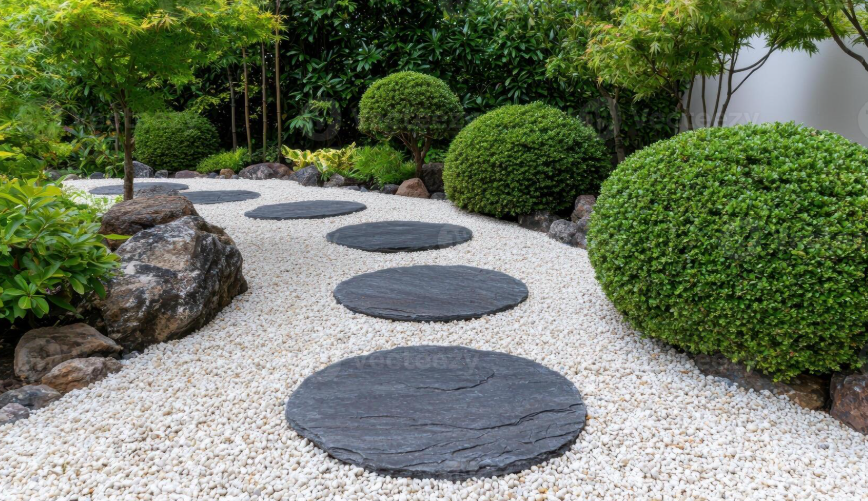
A Zen gravel garden focuses on simplicity, balance, and tranquility. Fine gravel is carefully raked into patterns that mimic rippling water, while larger rocks represent islands or mountains. This style is ideal for creating a शांत and meditative outdoor space. It requires regular maintenance to preserve the patterns, but the process itself can be calming. Minimal plant use ensures the focus remains on form, texture, and the interplay between elements.
Gravel Patio Area
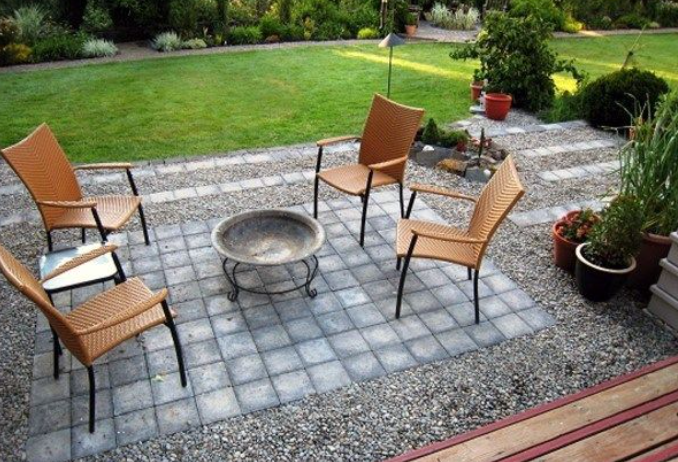
A gravel patio offers a cost-effective and flexible alternative to paved surfaces. It is easy to install and allows for good drainage, preventing water pooling. This type of patio works well for outdoor seating areas, fire pits, or dining spaces. By adding furniture, potted plants, and lighting, a gravel patio can become a cozy and functional extension of the home. The informal texture of gravel also adds a relaxed charm.
Decorative Gravel Borders
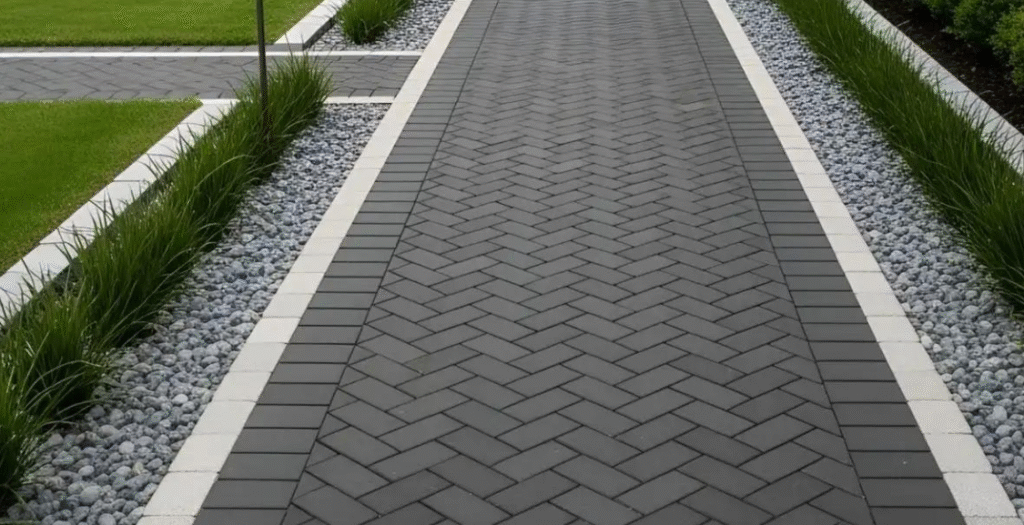
Gravel borders are a simple yet effective way to define different areas within a garden. They can be used along pathways, around flower beds, or between lawn and planting areas. These borders not only improve the visual structure of the garden but also help prevent soil erosion and grass encroachment. Choosing contrasting gravel colors can enhance the design and make garden features stand out more clearly.
Gravel and Stepping Stones
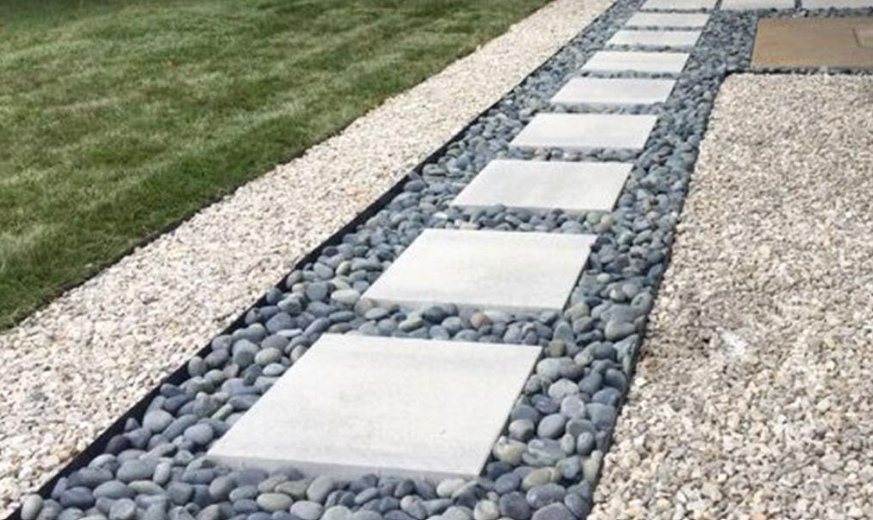
Combining gravel with stepping stones creates a functional and stylish walkway. The stones provide a stable surface for walking, while the gravel fills the gaps and adds texture. This design works well in both modern and traditional gardens. The spacing and shape of the stones can be customized to suit the layout, and different materials such as slate, concrete, or natural stone can be used to achieve various looks.
Gravel Water Feature Surround
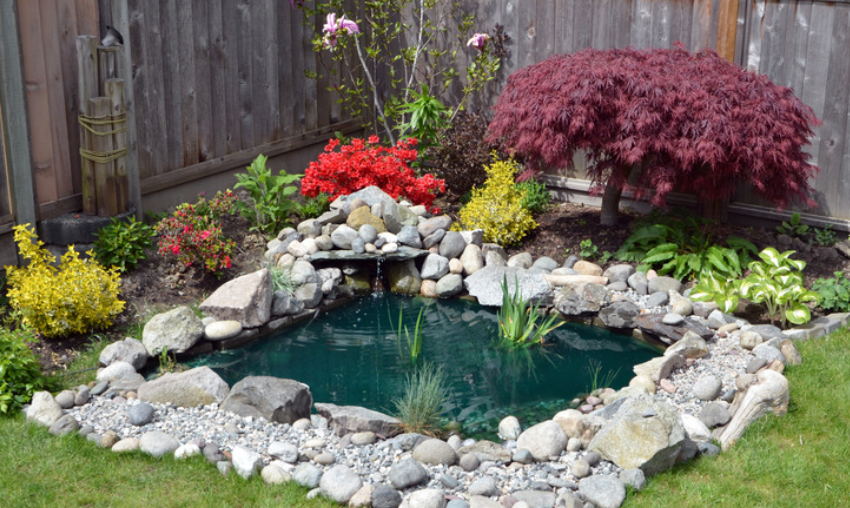
Gravel is an excellent material for surrounding water features such as fountains or ponds. It enhances drainage, reduces mud, and provides a clean, natural appearance. The texture of gravel complements the movement of water, creating a harmonious visual effect. It also helps keep the area tidy and prevents weeds from growing around the feature, making maintenance easier.
Gravel Driveway Garden Style
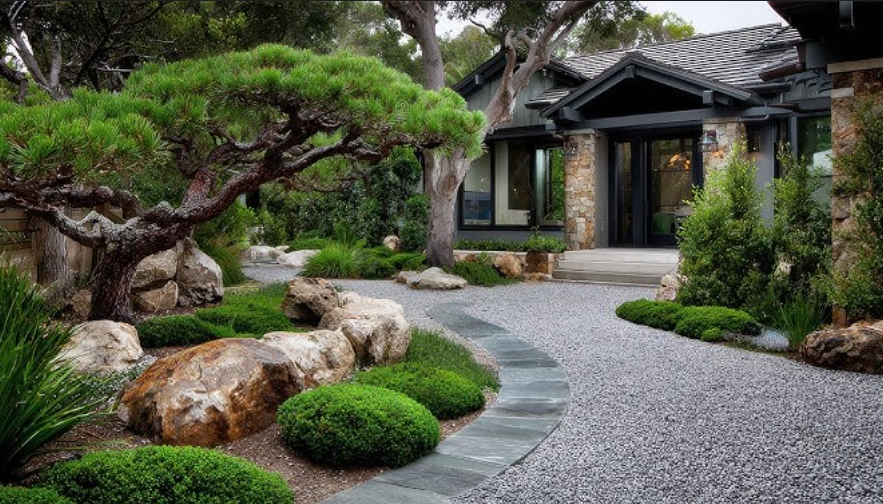
Incorporating a gravel driveway into the garden design can enhance both functionality and aesthetics. Gravel driveways are durable, permeable, and relatively inexpensive compared to paved alternatives. When combined with planting strips, borders, or decorative elements, they can become a key design feature rather than just a practical necessity. The variety of gravel types allows for customization to suit different garden styles.
Gravel Fire Pit Area
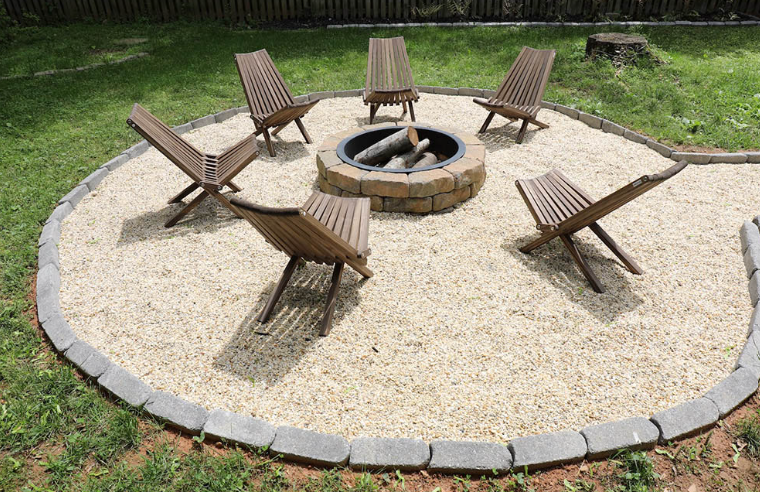
A gravel fire pit area creates a safe, durable, and visually appealing gathering space in the garden. Gravel helps prevent the spread of fire by acting as a non-flammable ground cover, while also providing excellent drainage. Arranging seating such as benches or chairs around the pit enhances comfort and usability. The informal texture of gravel pairs well with the rustic feel of a fire pit, making it an inviting focal point for evening relaxation.
Gravel Courtyard Garden
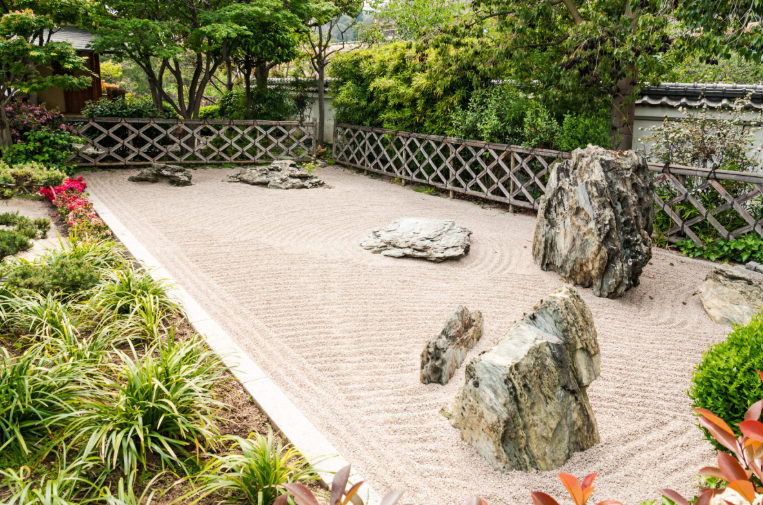
A gravel courtyard garden is ideal for enclosed or small outdoor spaces where simplicity and elegance are desired. Gravel provides a clean, uncluttered base that can be accented with potted plants, sculptures, or seating. Its neutral tones allow architectural elements and greenery to stand out. This style often emphasizes symmetry and open space, creating a calm and refined atmosphere.
Gravel Dry River Bed
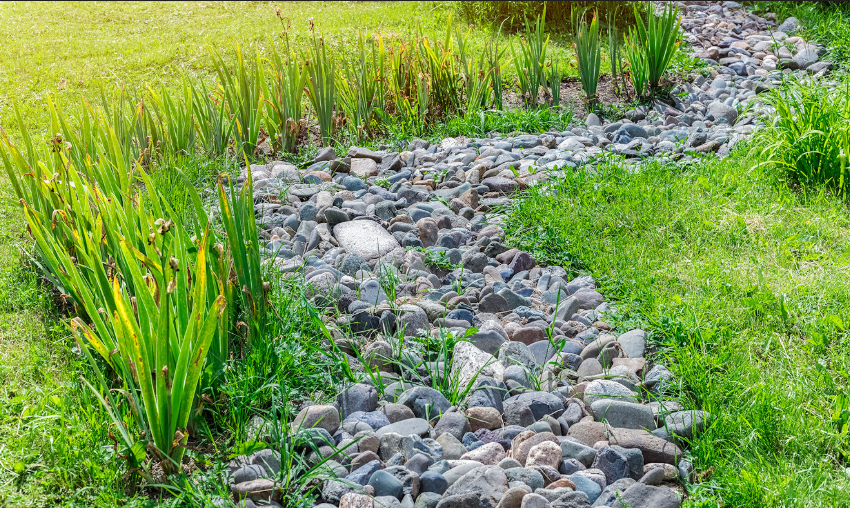
A gravel dry river bed mimics the appearance of a natural stream while serving a practical purpose in drainage. It channels rainwater through the garden, preventing erosion and waterlogging. Larger stones and boulders can be added to enhance the natural look, while curved lines help it blend into the landscape. This feature adds movement and structure even when dry.
Gravel Seating Nook
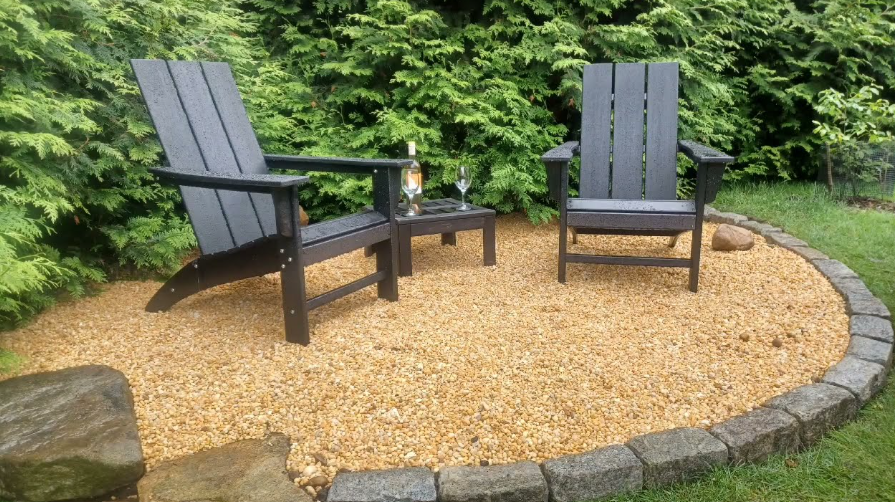
A gravel seating nook offers a quiet, intimate space within the garden for relaxation or reading. Surrounded by plants, hedges, or screens, it feels secluded and peaceful. Gravel provides a stable, low-maintenance surface for placing benches or chairs. Adding soft lighting or decorative elements can enhance the cozy ambiance, making it a perfect retreat.
Gravel Sunken Garden Nook
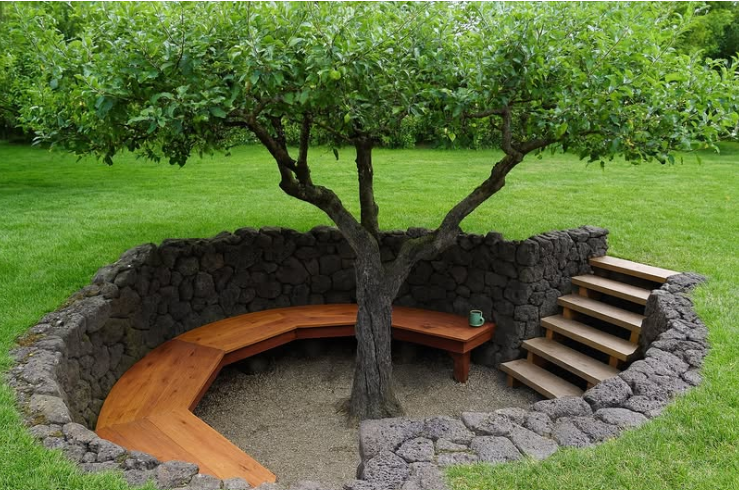
A gravel sunken garden nook creates a sheltered and intimate outdoor retreat by slightly lowering the seating area below ground level. This design adds depth and visual interest to the garden while also offering protection from wind and noise. Gravel serves as an ideal base, ensuring proper drainage and a clean, low-maintenance surface. Surrounding the nook with retaining walls, lush planting, or built-in seating enhances the sense of enclosure, making it a cozy and inviting space for relaxation or quiet conversation.
Gravel Around Raised Beds
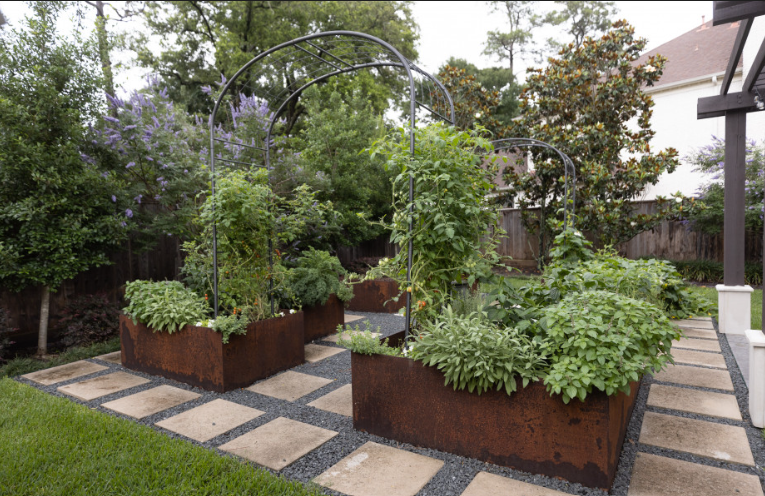
Using gravel around raised garden beds improves accessibility and keeps the area tidy. It prevents mud from forming, especially during rainy seasons, and makes it easier to walk between beds. Gravel also helps suppress weeds and enhances drainage. The contrast between the structured beds and the loose texture of gravel creates a neat and organized garden layout.
Gravel Mosaic Patterns
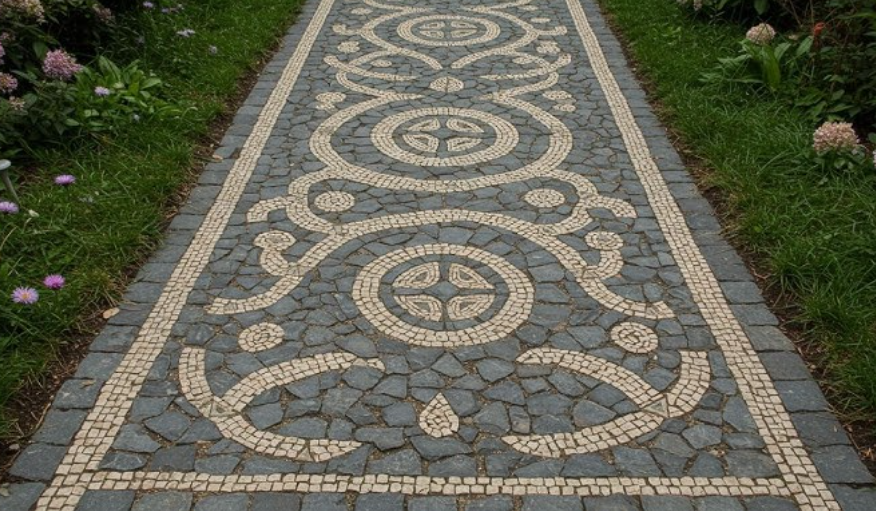
Gravel mosaic patterns add an artistic touch to garden surfaces. By using different colors and sizes of gravel, intricate designs such as spirals, geometric shapes, or symbolic motifs can be created. These patterns can be incorporated into pathways, patios, or open spaces. They turn functional areas into visual highlights, showcasing creativity and craftsmanship.
Gravel Rock Garden
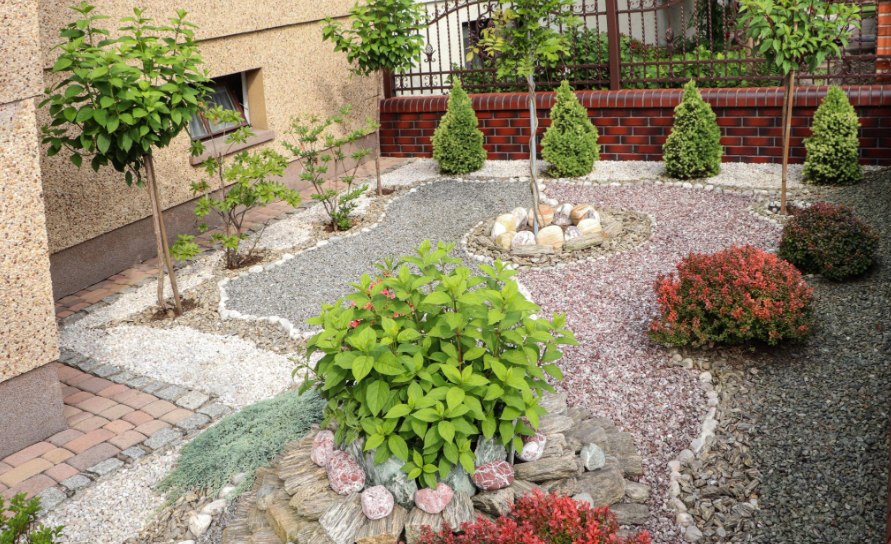
A gravel rock garden combines stones, gravel, and carefully selected plants to create a rugged, natural landscape. It is particularly suited to dry climates or areas with poor soil. Gravel acts as a base that enhances drainage and highlights the shapes and textures of rocks and plants. This type of garden often has a sculptural quality, emphasizing form and contrast.
Gravel Spiral Garden
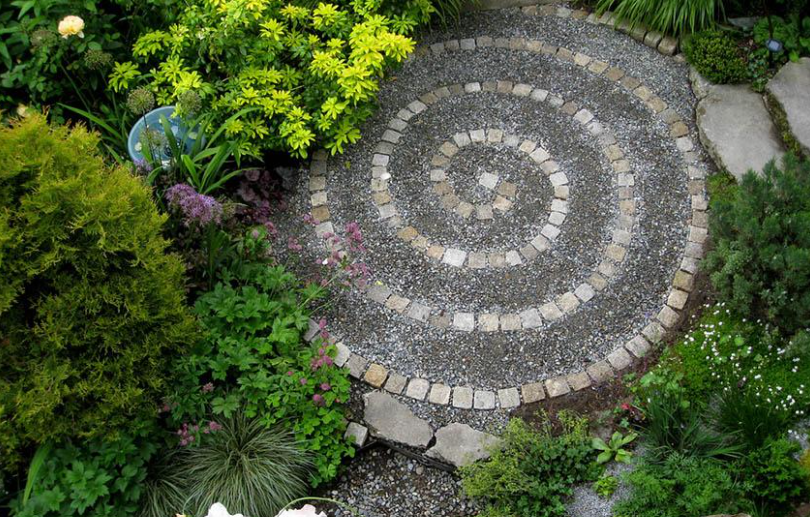
A gravel spiral garden uses curved lines to create a dynamic and eye-catching focal point. The spiral pattern can guide movement through the space or simply act as a decorative feature. Gravel highlights the flowing design while providing a clean and low-maintenance surface. This idea works especially well in small gardens where a strong visual element can make the space feel more intentional and artistic.
Gravel Terrace Layers
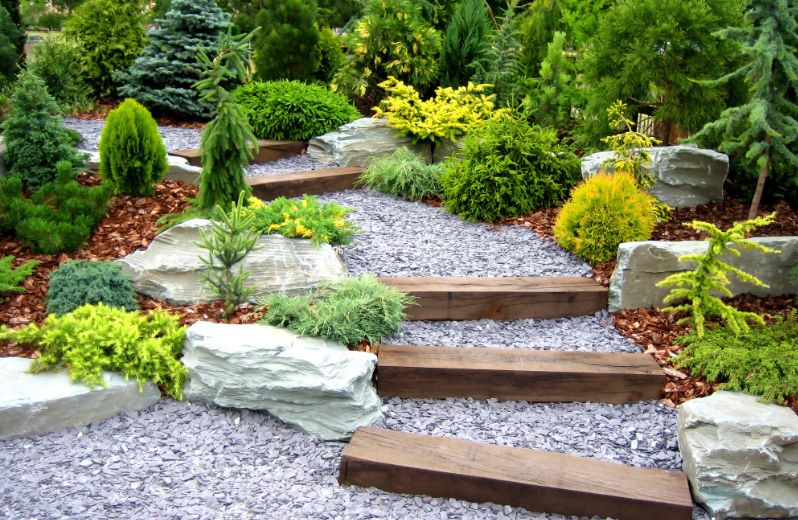
Gravel terrace layers are ideal for sloped gardens, transforming uneven ground into usable levels. Each terrace can serve a different purpose, such as planting, seating, or pathways. Gravel helps stabilize the soil and improves drainage, reducing erosion risks. The layered effect also adds depth and structure, making the garden more visually appealing and functional.
Gravel Minimalist Garden
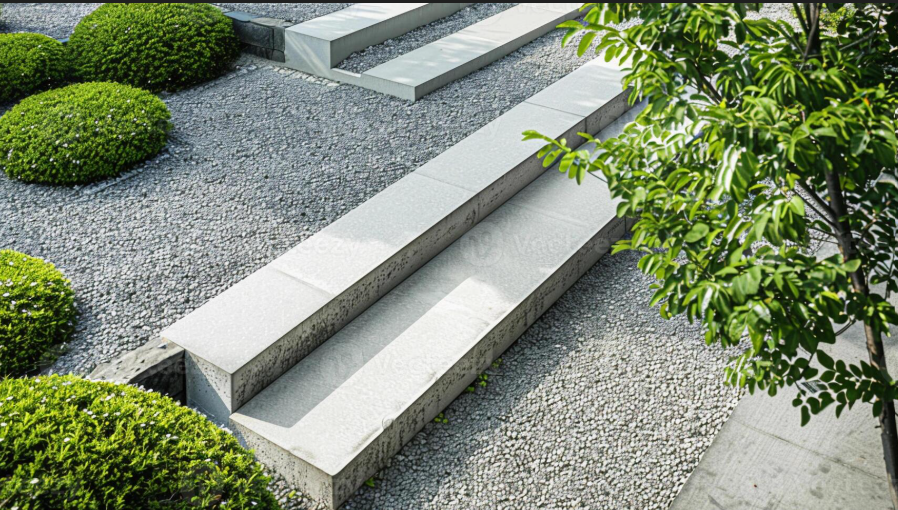
A gravel minimalist garden emphasizes simplicity, clean lines, and open space. Gravel acts as a neutral canvas that allows a few carefully chosen elements—such as sculptural plants, stones, or furniture—to stand out. This style reduces visual clutter and maintenance requirements. The result is a calm, modern environment that feels both spacious and refined.
Gravel Garden with Sculptures
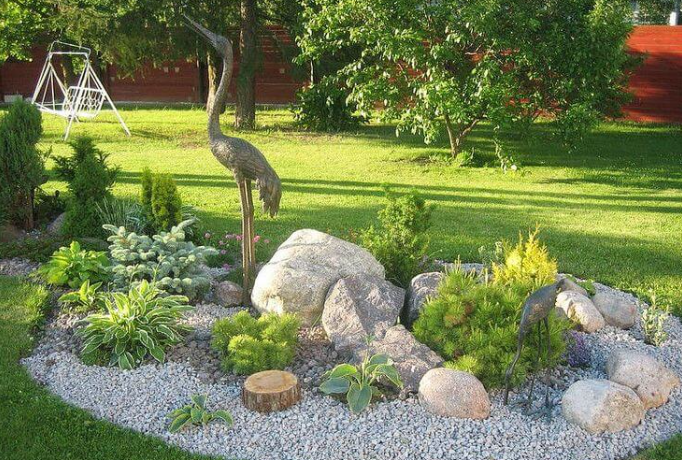
Incorporating sculptures into a gravel garden creates a gallery-like outdoor space. Gravel provides a clean and uniform background that draws attention to the artwork. Whether using abstract pieces, statues, or decorative objects, this approach turns the garden into a place of visual exploration. The contrast between natural textures and artistic forms adds depth and character.
Gravel Edged Lawn Strips
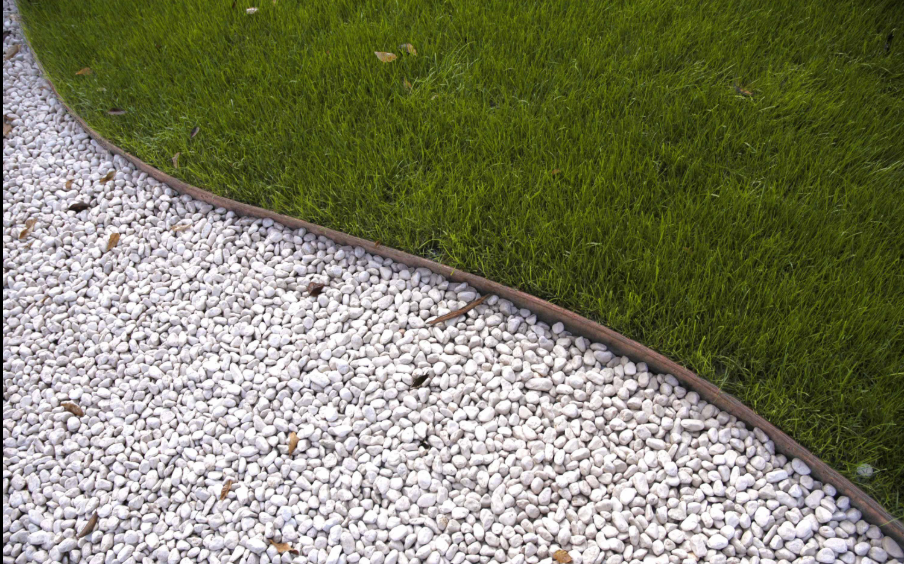
Gravel edged lawn strips create sharp, defined boundaries between grass and other garden elements. These strips improve the overall structure and make maintenance easier by preventing grass from spreading into unwanted areas. The contrast between green lawn and neutral gravel enhances visual clarity and gives the garden a polished, well-kept appearance.
Gravel Pergola Base
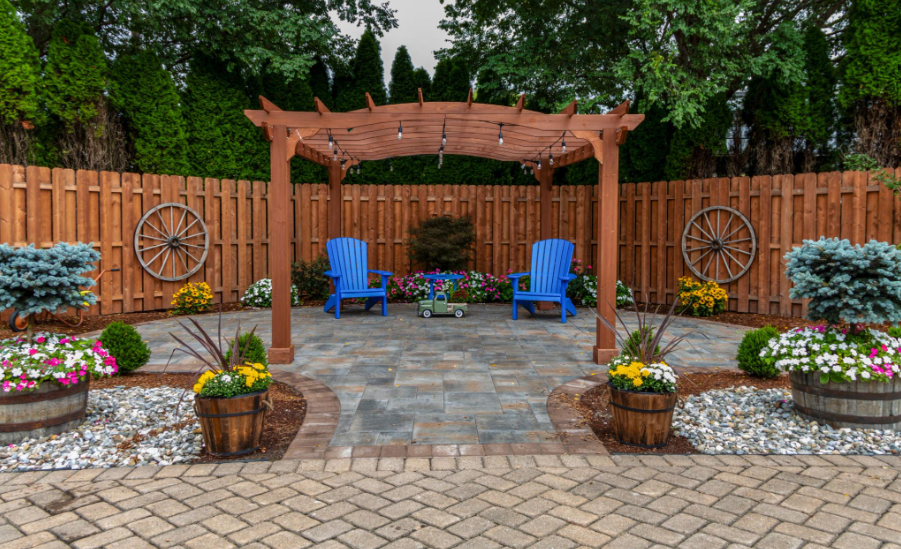
Using gravel as the base under a pergola creates a comfortable and practical outdoor living space. It allows rainwater to drain easily and keeps the area from becoming muddy. Combined with seating, climbing plants, or lighting, the pergola becomes a shaded retreat. Gravel complements the natural materials often used in pergolas, enhancing the overall aesthetic.
Gravel Outdoor Dining Area
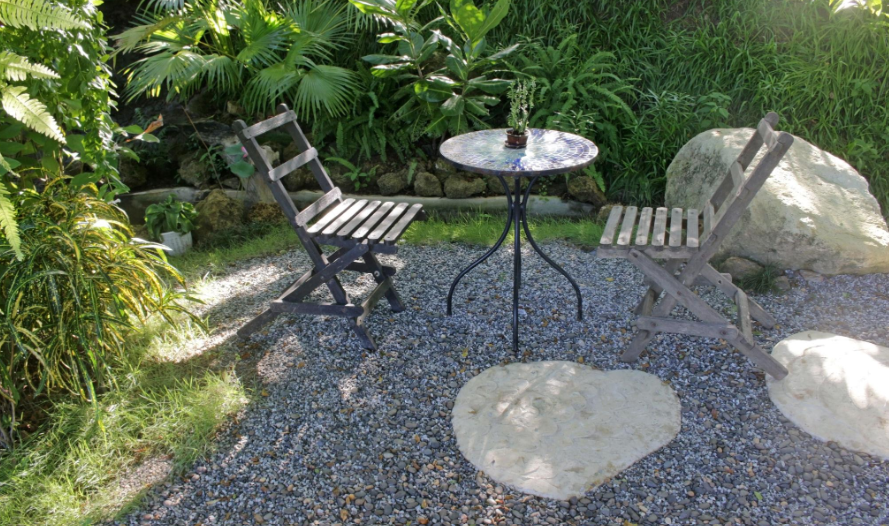
A gravel outdoor dining area offers a relaxed and inviting place to enjoy meals in the garden. The textured surface adds charm while being practical and easy to maintain. Furniture can be arranged to suit the space, and features like lighting or planters can enhance the atmosphere. This setup works well for both casual gatherings and more formal outdoor dining experiences.
Gravel Entryway Garden
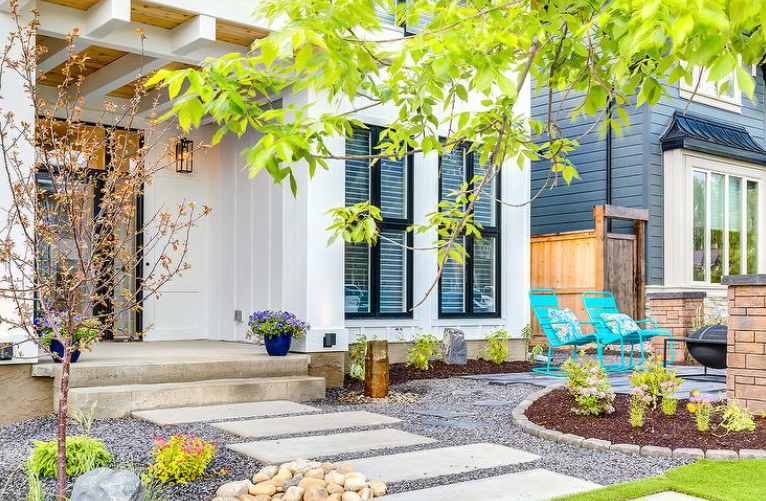
A gravel entryway garden creates a welcoming first impression for any home. It can be used to frame pathways, highlight architectural features, or guide visitors toward the entrance. Gravel’s versatility allows for various design styles, from rustic to modern. Combined with plants, lighting, or edging, it enhances curb appeal while remaining practical and low-maintenance.
Gravel Labyrinth Garden
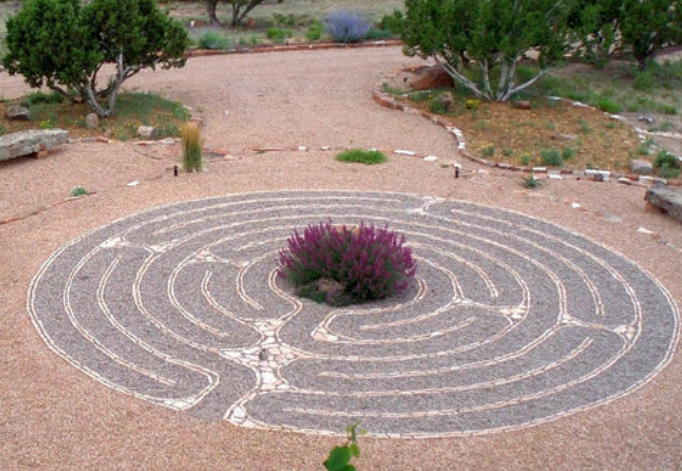
A gravel labyrinth garden introduces a contemplative and interactive feature into the landscape. Designed as a winding, single-path pattern, it invites slow walking and reflection rather than navigation challenges. Gravel clearly defines the path while providing a pleasant texture underfoot. This idea works well in quiet corners of the garden, creating a space for mindfulness and relaxation that is both visually striking and meaningful.
Gravel Rain Garden Basin
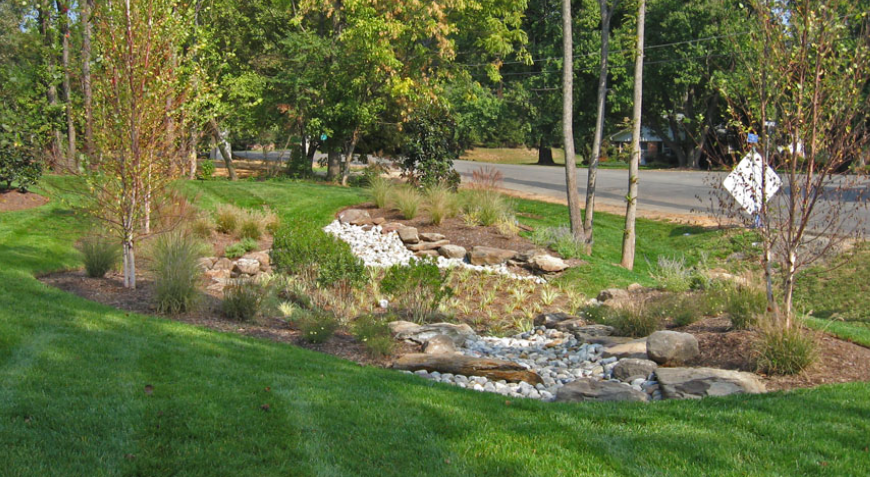
A gravel rain garden basin is designed to collect and absorb excess rainwater, helping manage runoff in an eco-friendly way. The shallow depression is filled with gravel and integrated with moisture-tolerant planting, allowing water to filter naturally into the soil. This not only reduces erosion but also supports sustainable gardening practices. The gravel ensures proper drainage while maintaining a neat and structured appearance.
Gravel Shadow Pattern Garden
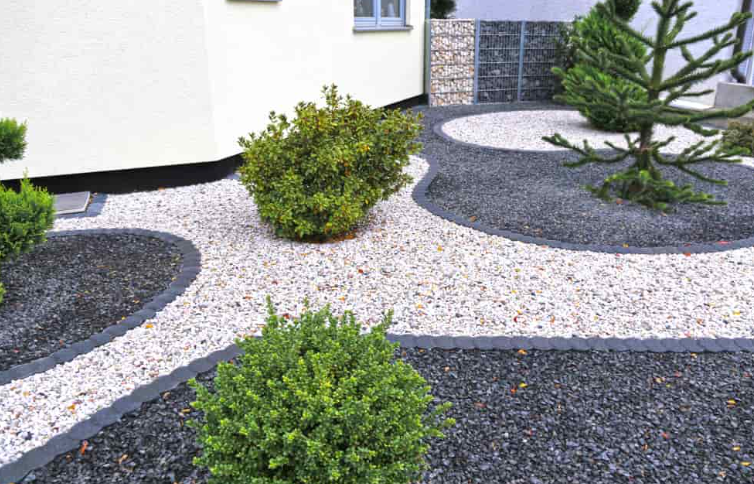
A gravel shadow pattern garden uses structures like pergolas, screens, or trellises to cast shifting shadows across a gravel surface. The light and shadow interplay creates a dynamic visual effect that changes throughout the day. Gravel acts as a perfect backdrop, making the patterns more visible and dramatic. This idea blends architecture and landscaping into a living artwork shaped by sunlight.
Gravel Garden Chessboard
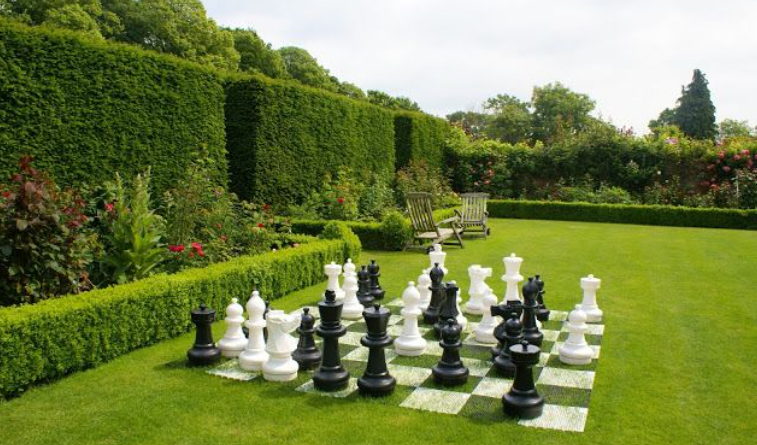
A gravel garden chessboard transforms part of the garden into a playful and functional design. Alternating squares of gravel and stone or contrasting gravel colors create the board pattern. It can be purely decorative or used for life-sized outdoor chess games. This feature adds a sense of fun and geometry, making the garden more engaging for visitors.
Gravel Framed Tree Circles
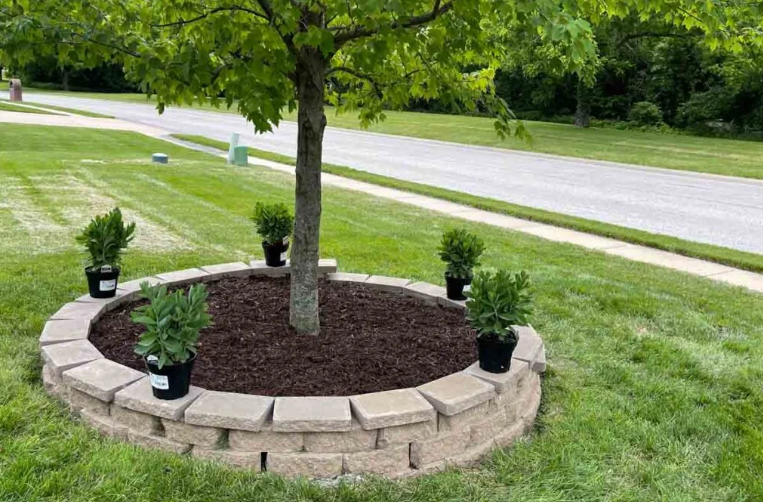
Gravel framed tree circles highlight individual trees by surrounding their base with a defined ring of gravel. This technique not only enhances the visual focus on the tree but also helps protect the trunk area from lawn equipment and reduces weed growth. The circular form contrasts nicely with the organic shape of the tree canopy, creating a balanced and intentional design.
Gravel Outdoor Workspace
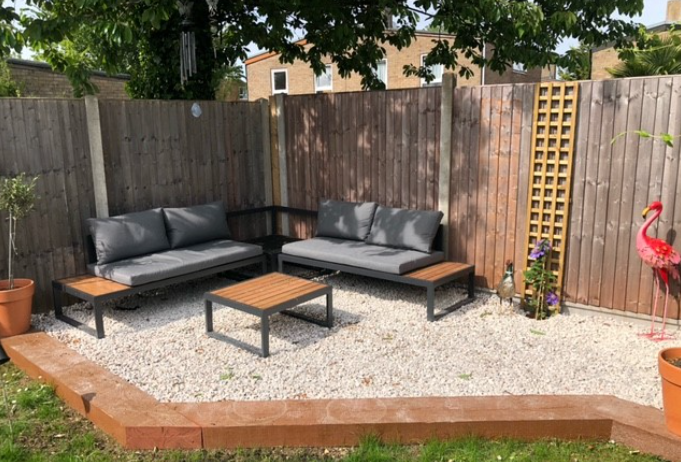
A gravel outdoor workspace turns part of the garden into a productive yet refreshing environment. With a stable gravel base, you can place a desk, chair, or even a small studio setup. Surrounded by greenery, it offers a peaceful alternative to indoor workspaces. Gravel keeps the area dry and low-maintenance while blending seamlessly into the natural setting.
Gravel Mirror Water Illusion
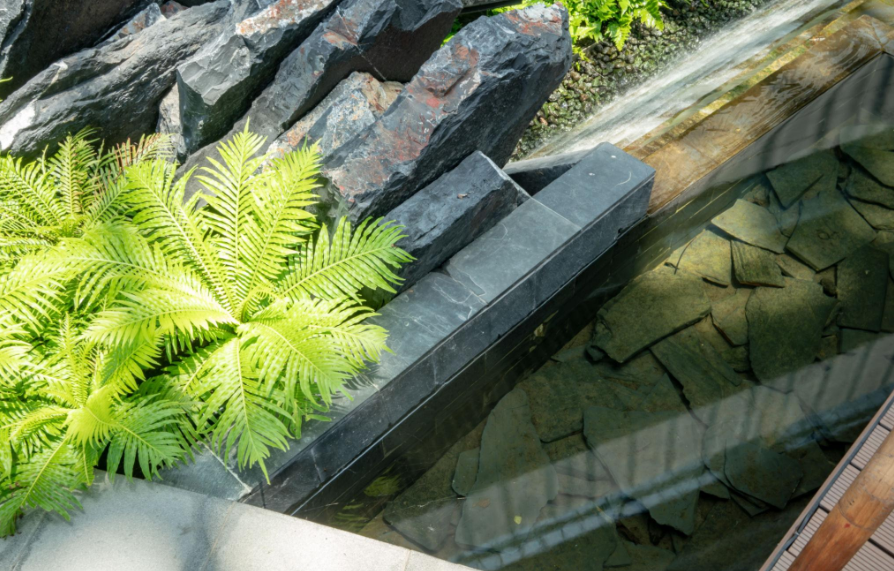
A gravel mirror water illusion uses dark, fine gravel to mimic the appearance of still water. When paired with smooth stones or reflective elements, it creates the impression of a pond without actual water. This concept is ideal for low-maintenance gardens where a water feature look is desired without upkeep. It adds a modern and slightly surreal aesthetic.
Gravel Transition Zones
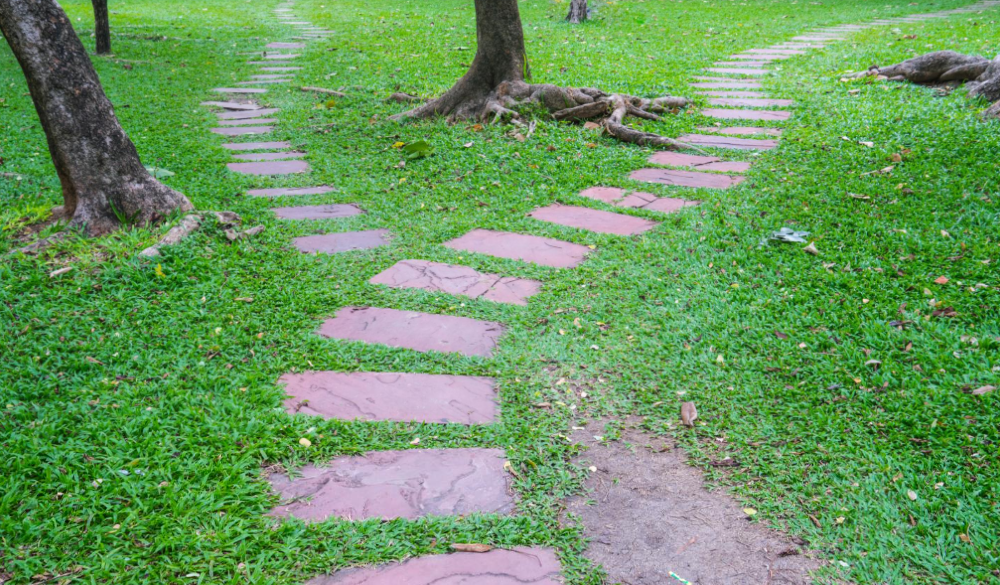
Gravel transition zones are used to softly connect different areas of a garden, such as patios, lawns, and planting beds. Instead of abrupt changes, gravel creates a gradual shift between materials and functions. This improves flow and cohesion in the overall design. It also helps with drainage and reduces wear in high-traffic areas.
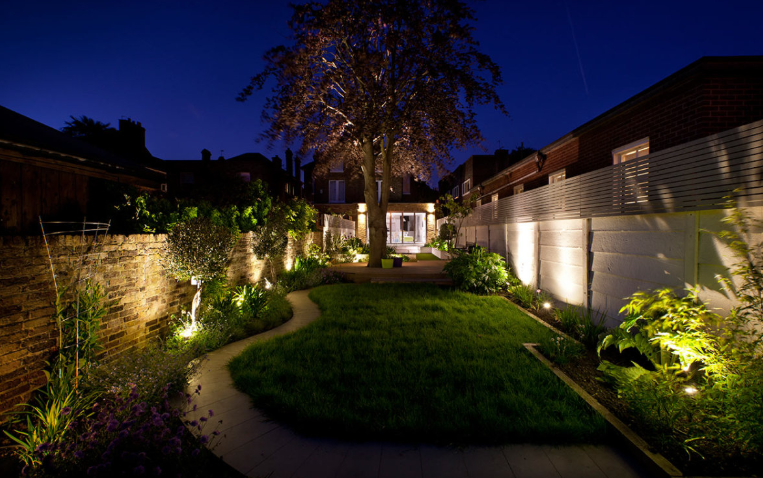
Gravel Night Garden with Lighting
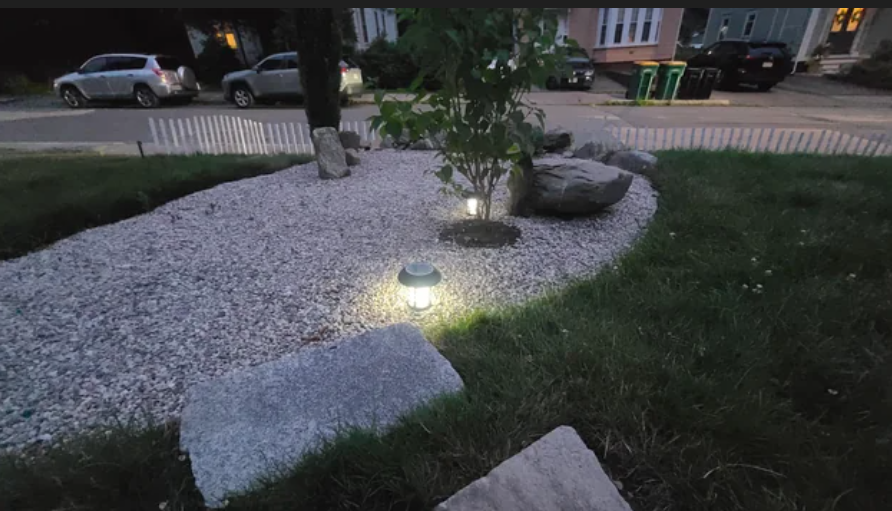
A gravel night garden with lighting focuses on how the space transforms after dark. Soft ground lights, lanterns, or embedded LEDs reflect beautifully off the gravel surface, creating a warm and inviting glow. The texture of gravel enhances the play of light and shadow, adding depth and atmosphere. This idea turns the garden into a visually captivating space even at night.
Moonscape Gravel Garden
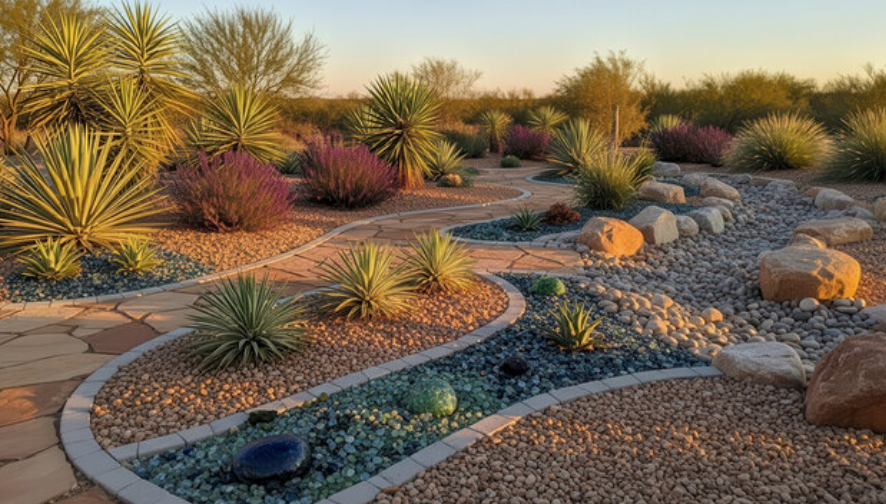
A moonscape gravel garden is a low-maintenance, drought-tolerant landscaping style that uses gravel, sand, and stone to mimic a serene, rocky landscape, often incorporating textural plants to create a dramatic, modern, and high-contrast look. Often utilizes a restricted color palette (white, grey, black) to create a striking visual impact reminiscent of a lunar surface, though natural tones are also popular. This design reduces the need for weeding, mowing, and watering, making it ideal for sunny, dry spots or slopes.
Parterre Style Gravel Garden
Inspired by formal French garden design, create a parterre by outlining geometric boxwood hedges filled with low-growing flowers and a gravel ground cover between the compartments. It’s elegant, structured, and timeless.
Geometric Gravel Patterns
Use metal or timber dividers to section off a flat garden area into geometric shapes — squares, triangles, or hexagons — and fill alternating sections with different coloured gravels or plants for a graphic, contemporary effect.
English Cottage Gravel Path
Wind a gravel path through a lush, overflowing cottage garden bursting with roses, foxgloves, hollyhocks, and sweet peas. The informality of the gravel perfectly matches the exuberant planting style of a traditional English cottage garden.
Contemporary Gravel and Steel Garden
Pair Corten steel planters, edging strips, and raised beds with a fine grey gravel surface for an ultra-modern, industrial-chic garden design. The warm rust tones of weathering steel and cool grey gravel are a sophisticated combination.
Japanese Maple and Gravel Feature
Showcase a beautiful Japanese maple as a specimen tree in a bed of fine dark gravel. The contrast between the delicate, filigree foliage — especially in autumn when it turns crimson — and the dark gravel ground is breathtaking.
Gravel Sensory Garden
Design a sensory garden using gravel of different sizes and textures — fine pea gravel, chunky slate, smooth river pebbles — to create tactile paths and areas. Add fragrant plants alongside for a multi-sensory garden experience.
Desert Succulent Garden
Pair drought-tolerant succulents and cacti with a top dressing of fine decomposed granite or crushed gravel. This low-water design thrives in hot climates and creates a striking, sculptural landscape with very little upkeep.
Woodland Gravel Walk
Use bark-brown or golden gravel to create a meandering path through a shaded woodland garden planted with ferns, hostas, and hellebores. The earthy tones blend into the naturalistic setting perfectly.
Gravel Amphitheater Seating
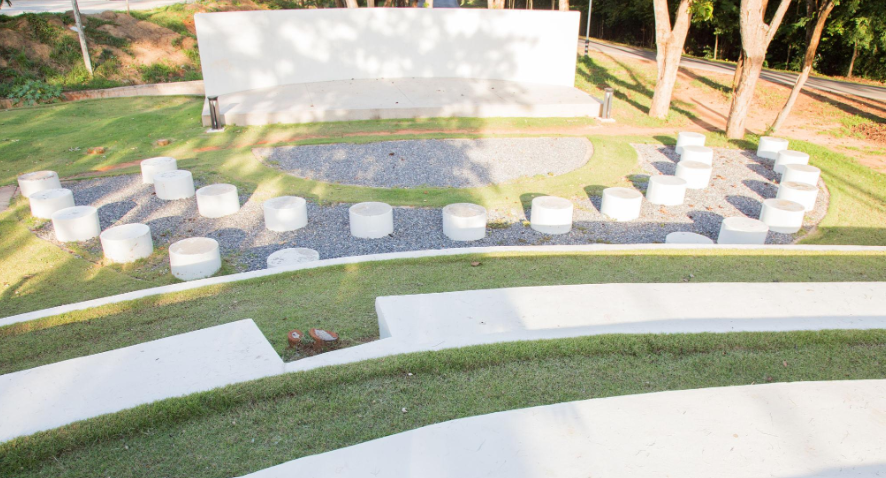
A gravel amphitheater seating area creates a unique, tiered space for gatherings, storytelling, or small performances. By shaping the ground into gentle levels with gravel surfaces, you can form natural seating zones that face a central focal point. Gravel ensures good drainage and keeps the structure low-maintenance. This idea works especially well in larger gardens, adding both functionality and architectural interest.
Gravel Color Gradient Garden
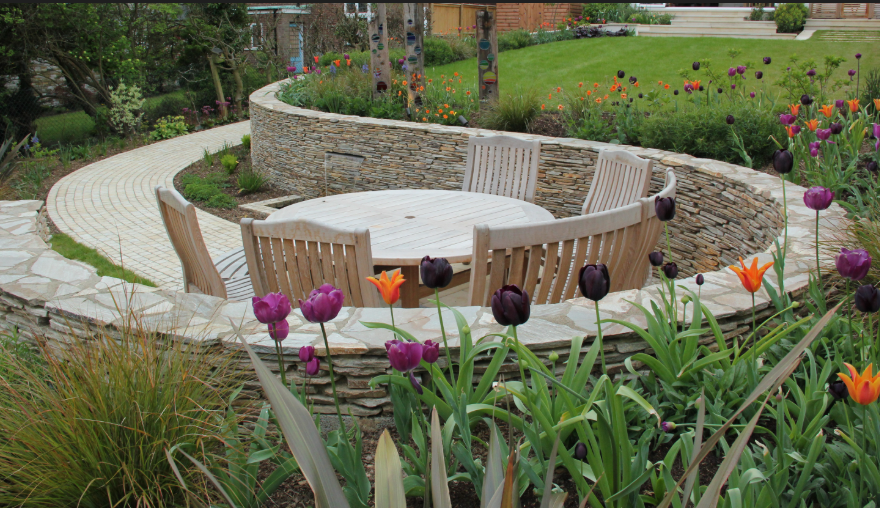
A gravel color gradient garden uses different shades of gravel arranged in a gradual transition from light to dark or between colors. This creates an ombré effect across the ground, adding depth and visual intrigue. The gradient can flow along pathways, patios, or open spaces. It’s a creative way to use gravel as an artistic medium while maintaining a clean and modern look.
Gravel Pocket Gardens
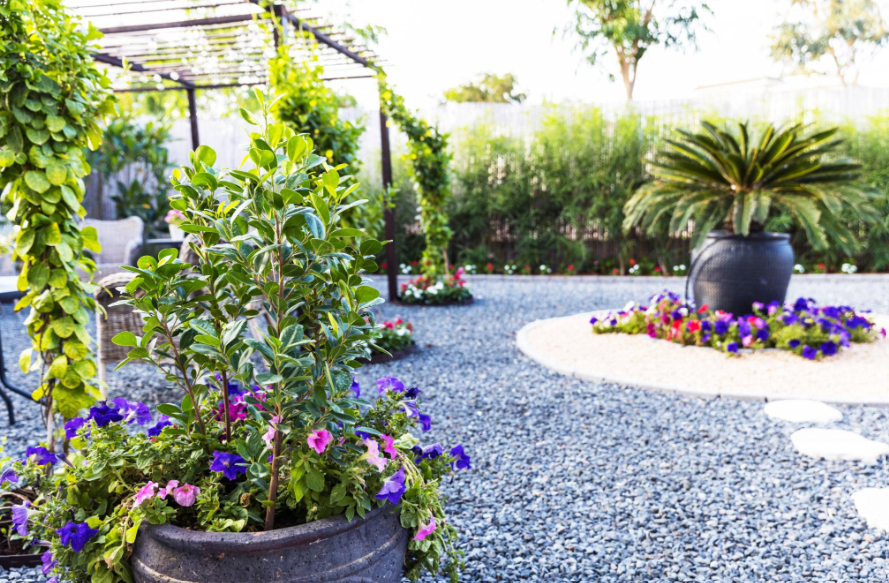
Gravel pocket gardens involve creating small, scattered planting areas within a larger gravel surface. These “pockets” can host clusters of plants, stones, or decorative features, breaking up the uniformity of the gravel. This approach adds variety and allows for experimentation with different textures and arrangements. It’s especially useful in modern or minimalist gardens where controlled accents are key.
Gravel Boardwalk Illusion
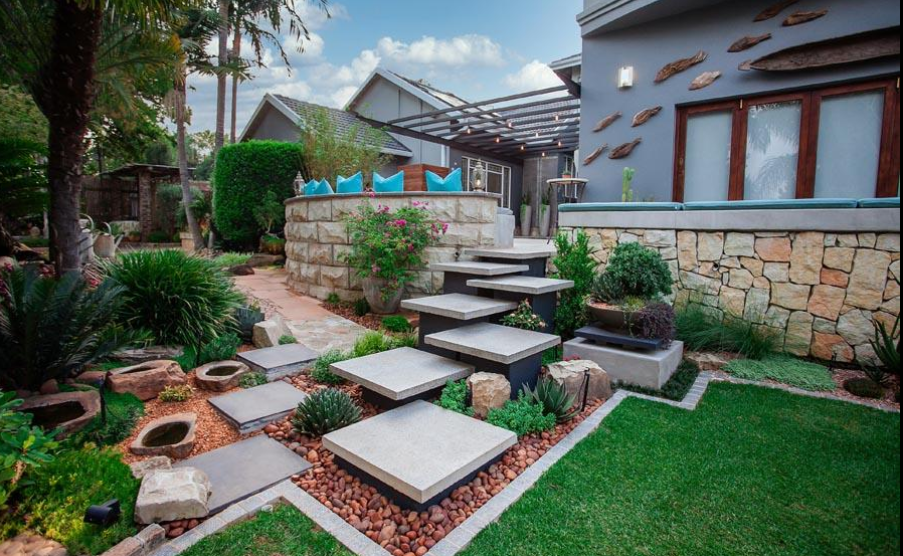
A gravel boardwalk illusion combines wooden planks or sleepers laid over gravel to mimic the look of a raised boardwalk. The contrast between the solid lines of wood and the loose texture of gravel creates a striking visual effect. This design guides movement through the garden while adding a contemporary architectural feel. It’s both functional and visually engaging.
Gravel Butterfly Landing Zones
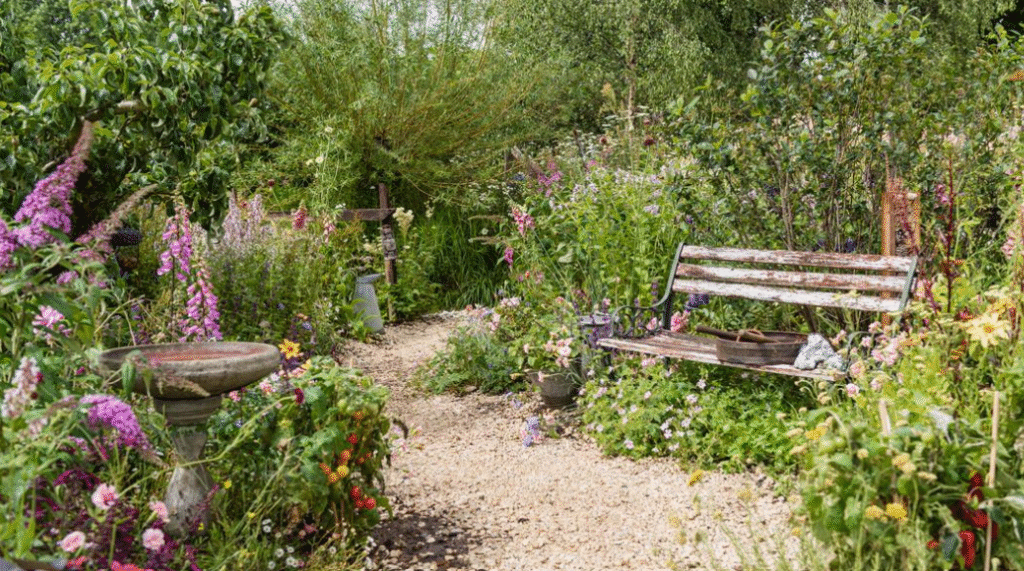
Gravel butterfly landing zones are sunny patches of fine gravel mixed with flat stones where butterflies can rest and absorb heat. These areas complement nearby planting and support pollinators by providing a warm, dry surface. The gravel helps retain heat during the day, making it attractive to insects. This idea blends ecological awareness with subtle landscaping design.
Gravel Outdoor Gallery Path
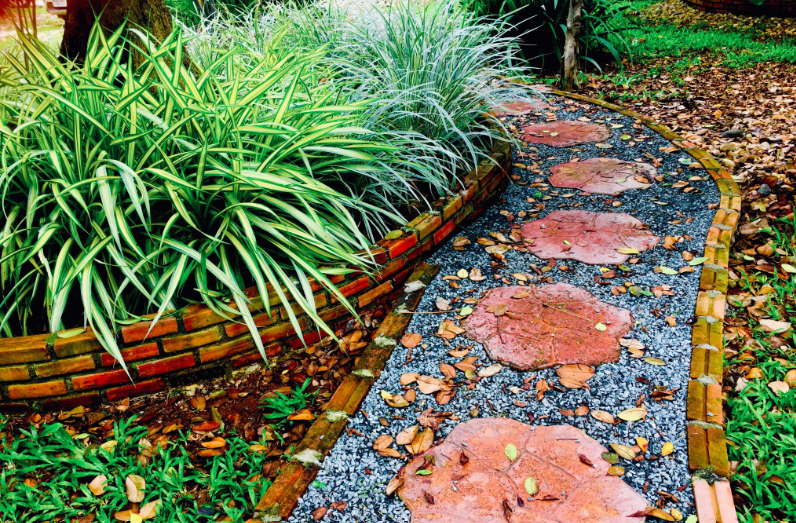
A gravel outdoor gallery path transforms a simple walkway into an exhibition space. Sculptures, planters, or decorative objects can be placed along the path, encouraging exploration. Gravel provides a neutral base that highlights each display piece. This concept is perfect for those who enjoy combining art with nature, creating a journey through the garden.
Gravel Hammock Retreat
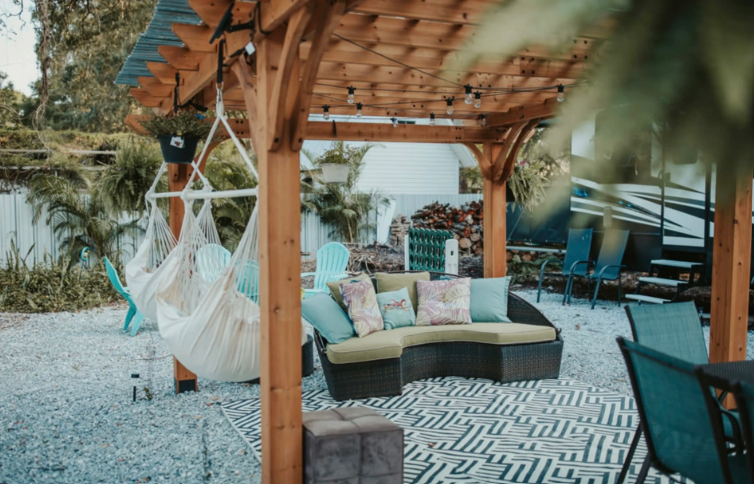
A gravel hammock retreat offers a laid-back space for rest and leisure. By placing a hammock between trees or posts over a gravel base, you create a clean and mud-free relaxation area. Gravel keeps the ground dry and complements the natural surroundings. Adding soft lighting or nearby plants can enhance the tranquil atmosphere.
Gravel Wind Pattern Garden
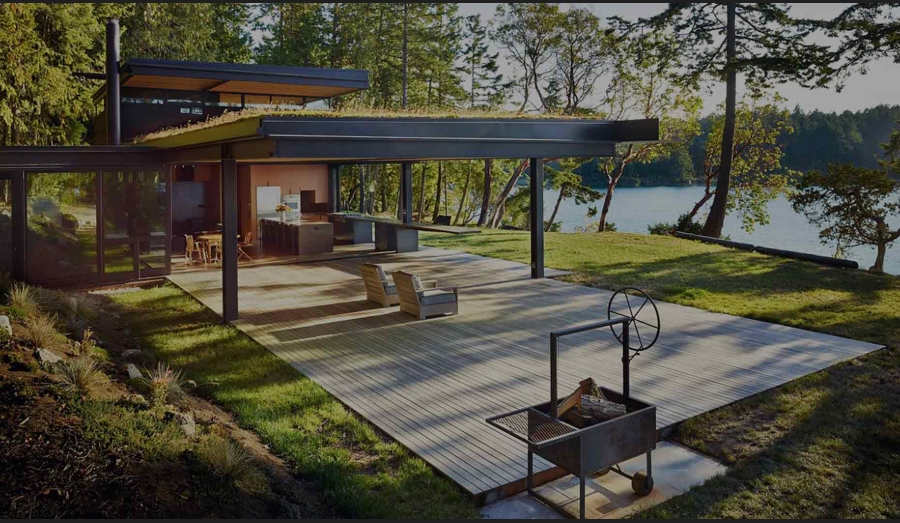
A gravel wind pattern garden features sweeping, curved designs raked into the surface to mimic the movement of wind. These patterns can be bold or subtle, depending on the scale and spacing. The design adds a sense of motion and fluidity to an otherwise static surface. Maintaining the patterns can also be a calming, hands-on activity.
Gravel Frame for Garden Beds
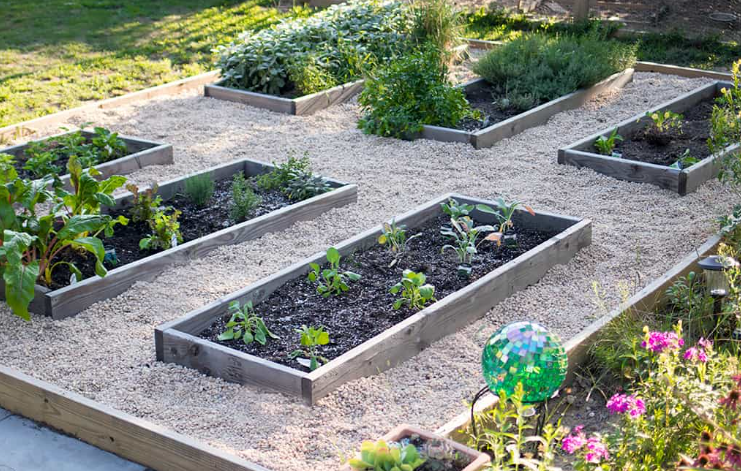
Using gravel to frame garden beds creates sharp, geometric outlines that emphasize structure and organization. This technique works particularly well in formal or contemporary designs. The gravel border separates planting areas from other surfaces, reducing maintenance and improving drainage. It also enhances the visual contrast between greenery and hardscape.
Gravel Wildlife Corridor
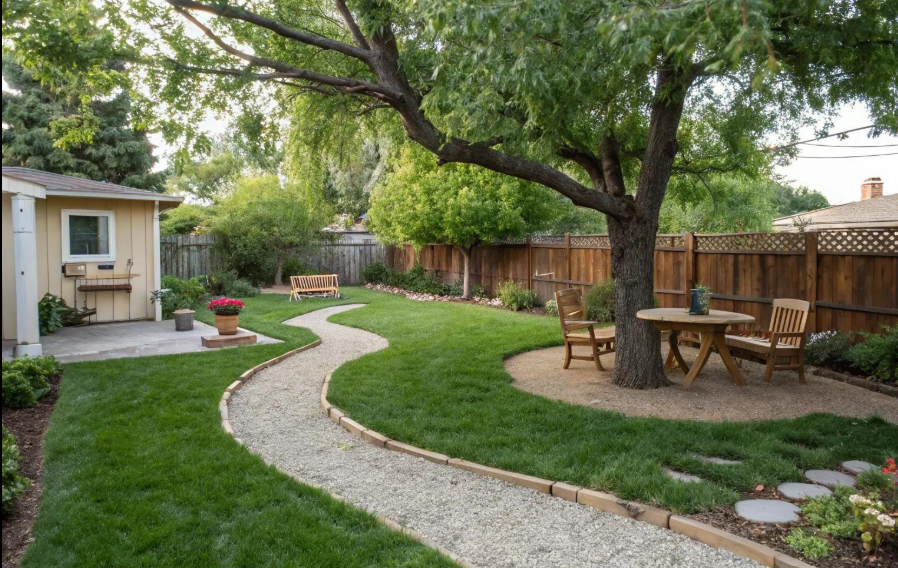
A gravel wildlife corridor is designed to guide small animals and insects through the garden. By combining gravel paths with native planting and shelter features, it creates a safe and navigable route. Gravel helps maintain a stable surface while blending into a naturalistic layout. This idea supports biodiversity and encourages a healthier garden ecosystem.
Gravel Seasonal Display Area
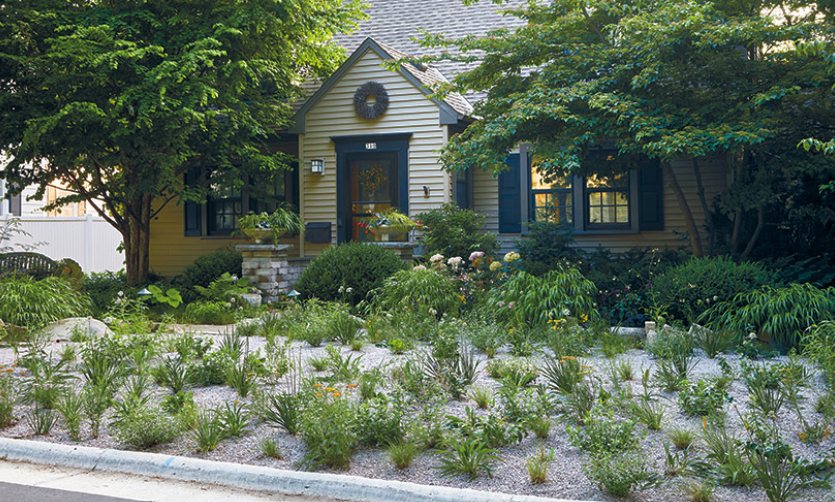
A gravel seasonal display area provides a flexible space for changing decorations throughout the year. Whether it’s festive ornaments, potted arrangements, or themed displays, gravel offers a neutral and adaptable base. It keeps the area tidy and easy to update as seasons change. This idea allows the garden to evolve visually over time while staying organized and low-maintenance.
Gravel Garden Clock Design
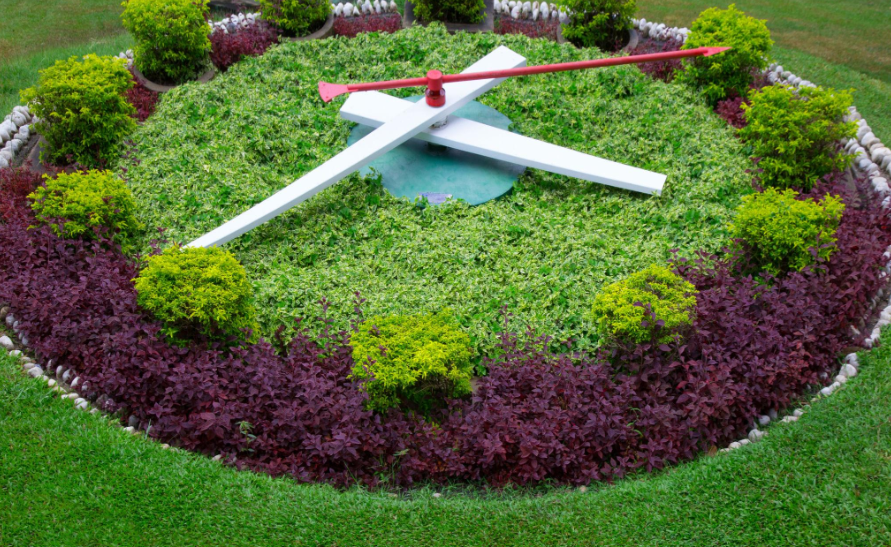
A gravel garden clock design uses circular patterns and markers to resemble a clock face or sundial. Stones, plants, or contrasting gravel colors can be arranged to indicate numbers and divisions. This feature adds both visual interest and a symbolic sense of time to the garden. It works well as a centerpiece and can be purely decorative or functional when paired with a real sundial.
Gravel Sound Garden
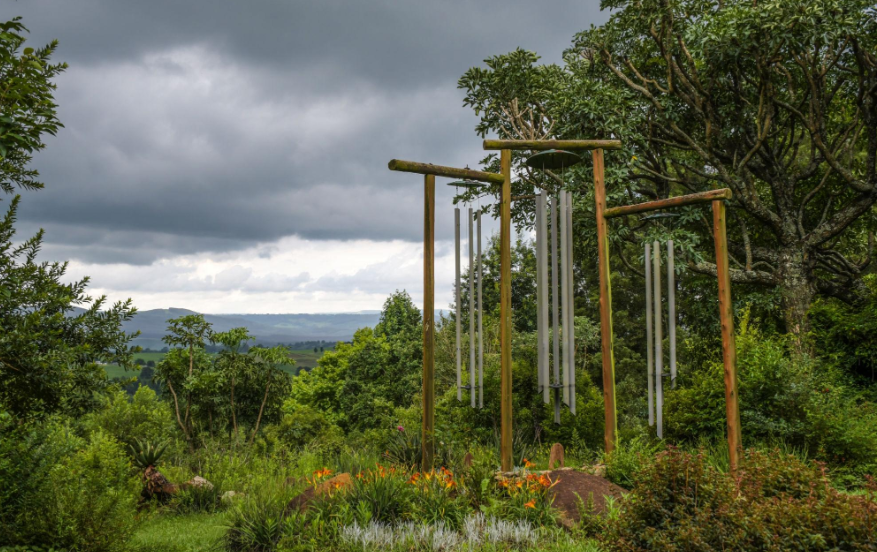
A gravel sound garden is designed to engage the sense of hearing as much as sight. The crunch of footsteps on gravel combines with elements like wind chimes, rustling grasses, or hanging metal pieces. The gravel acts as both a surface and a sound source, enhancing the sensory experience. This concept is ideal for creating a calming, immersive environment.
Gravel Fog Garden Concept
A gravel fog garden is a specialized, low-maintenance landscaping concept that pairs a gravel-mulched ground surface with planting, lighting, and misting elements designed to create a moody, ethereal, or tranquil atmosphere. This style often mimics natural, high-altitude, or coastal foggy environments, making it both aesthetically unique and functional for drought-prone areas.
The foundation is typically light-colored or muted gravel, which enhances the visibility of fog and provides a clean, neutral base. Plants with soft textures (ferns, grasses) or silvery foliage (Lavender, Artemisia) are usually chosen to contrast with the sharp gravel and enhance the ethereal feel.
Gravel Stepping Grid
A gravel stepping grid uses evenly spaced stones arranged in a precise geometric pattern across a gravel surface. This creates a clean, modern aesthetic with strong visual order. The grid layout can guide movement or simply act as a design feature. Gravel fills the spaces between stones, emphasizing the structure while maintaining a soft, permeable surface.
Gravel Outdoor Yoga Space
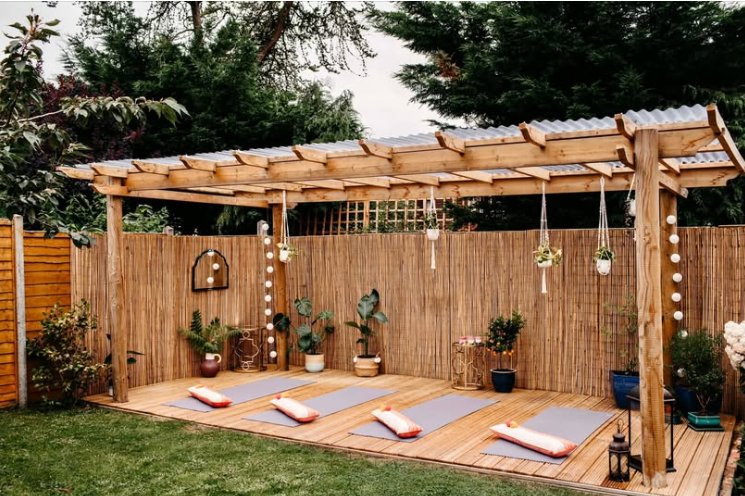
A gravel outdoor yoga space offers a grounded area for exercise and meditation. The gravel provides a natural, stable base, often combined with flat stones or a small platform for comfort. Surrounded by greenery or screens, it becomes a peaceful retreat. The simplicity of gravel helps maintain a calm, distraction-free atmosphere.
Gravel Rain Chain Basin
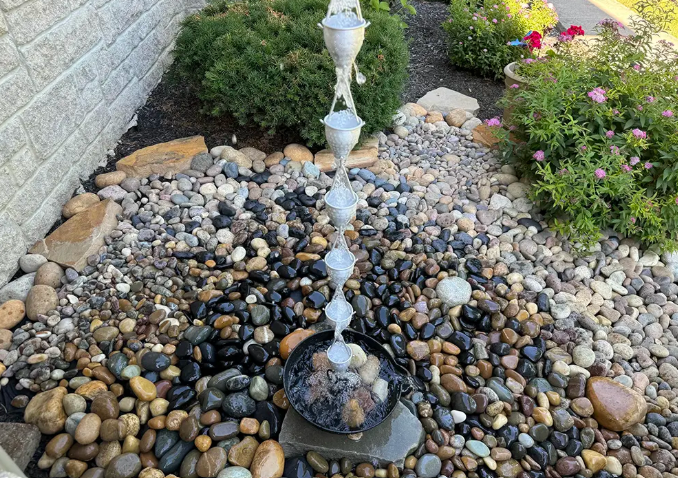
A gravel rain chain basin is placed beneath a rain chain to collect and disperse water from rooftops. The gravel absorbs the impact of falling water and allows it to filter into the soil. Decorative stones can enhance the visual effect, turning a practical drainage solution into a design feature. It’s both functional and aesthetically pleasing.
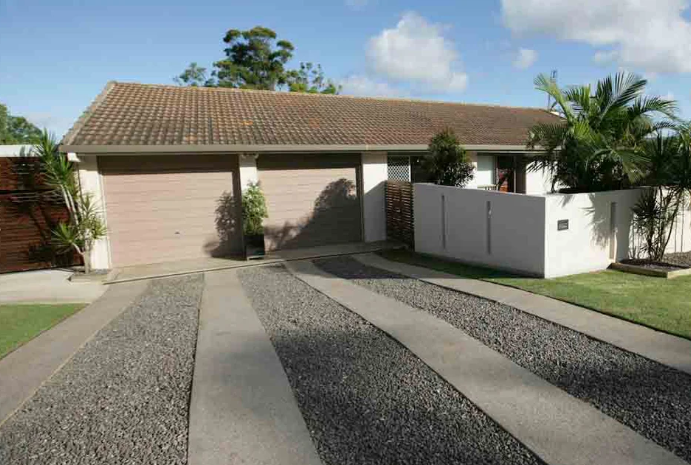
Gravel Patterned Parking Strip
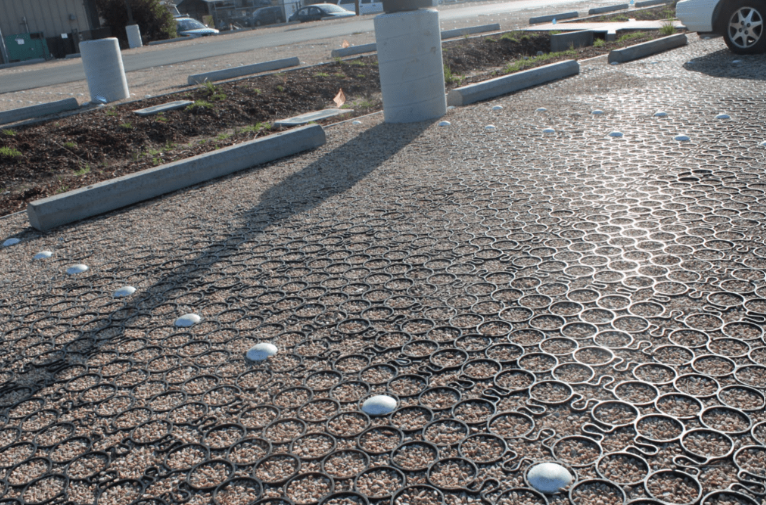
A gravel patterned parking strip integrates parking space into the garden design without sacrificing aesthetics. By combining gravel with strips of stone, grass, or pavers, you can create visually appealing patterns. This approach keeps the area permeable and environmentally friendly while maintaining a structured and organized look.
Gravel Story Path
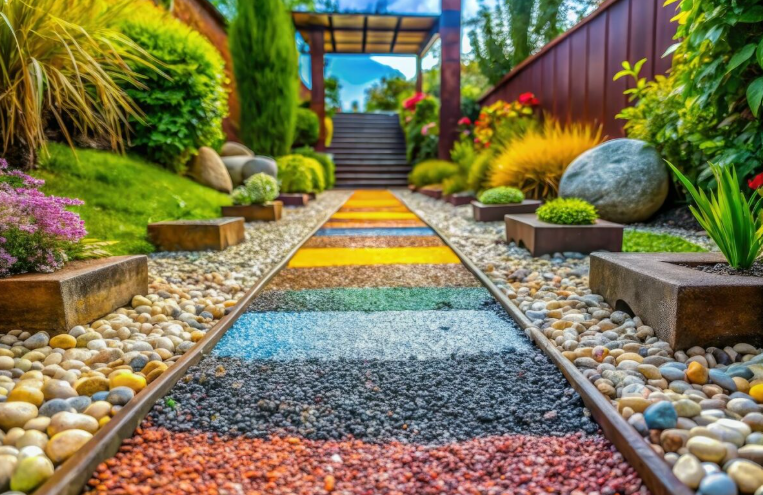
A gravel story path turns a simple walkway into a narrative journey. Along the path, signs, sculptures, or themed elements can tell a story or convey information. Gravel provides a consistent and low-maintenance base that keeps the focus on the storytelling features. This idea is especially engaging for families or educational gardens.
Gravel Contrast Bands
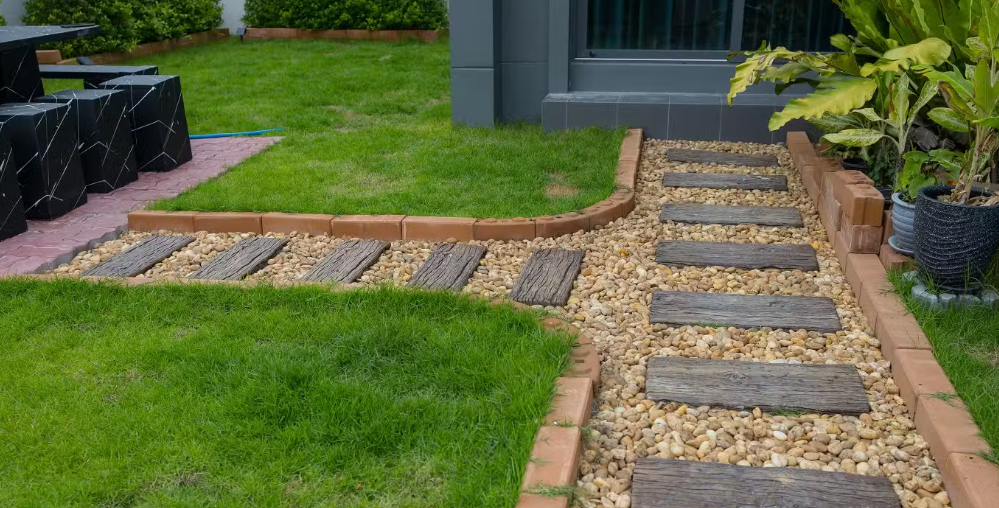
Gravel contrast bands involve laying different colors or sizes of gravel in linear strips across the garden. These bands create a bold, graphic effect and can guide movement or define zones. The strong visual lines add energy and modernity to the space. It’s a simple yet impactful way to elevate a gravel landscape.
Gravel Framed Water Bowl Feature
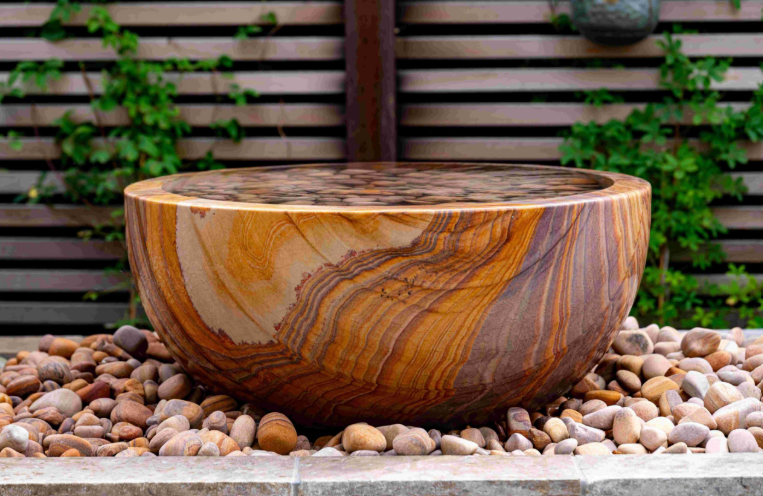
A gravel framed water bowl feature centers around a simple basin filled with water, surrounded by a clean gravel surface. The still water reflects the sky and nearby plants, creating a focal point. Gravel enhances the minimalist aesthetic while ensuring proper drainage. This idea blends simplicity with elegance, offering a subtle yet striking garden feature.
Gravel Maze Garden
A gravel maze garden combines winding paths with gravel to create an engaging, interactive space. Low hedges, stones, or gravel borders define the routes, encouraging exploration. It’s playful and visually interesting, adding depth and mystery to the garden while remaining low-maintenance.
Gravel Reflection Pool Border
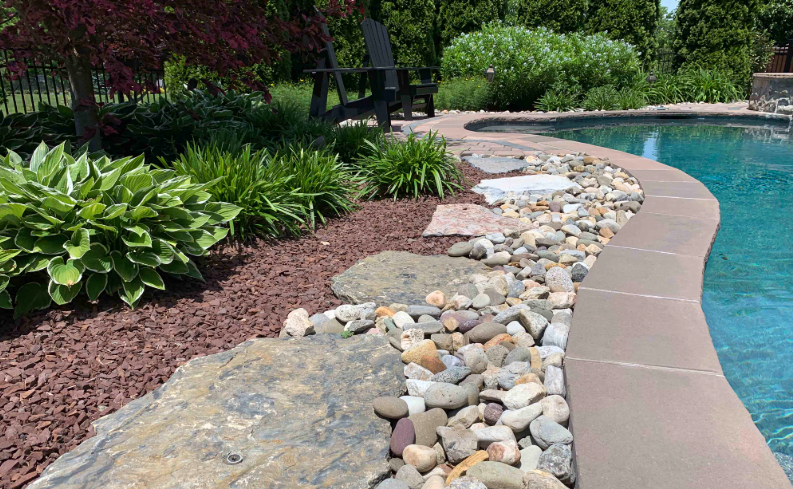
Using gravel around a reflection pool emphasizes the pool’s clean lines and mirrors the surrounding landscape. Gravel helps with drainage and provides a low-maintenance edge. The contrast between water and textured gravel creates a serene and sophisticated focal point.
Gravel Sculptural Pillars
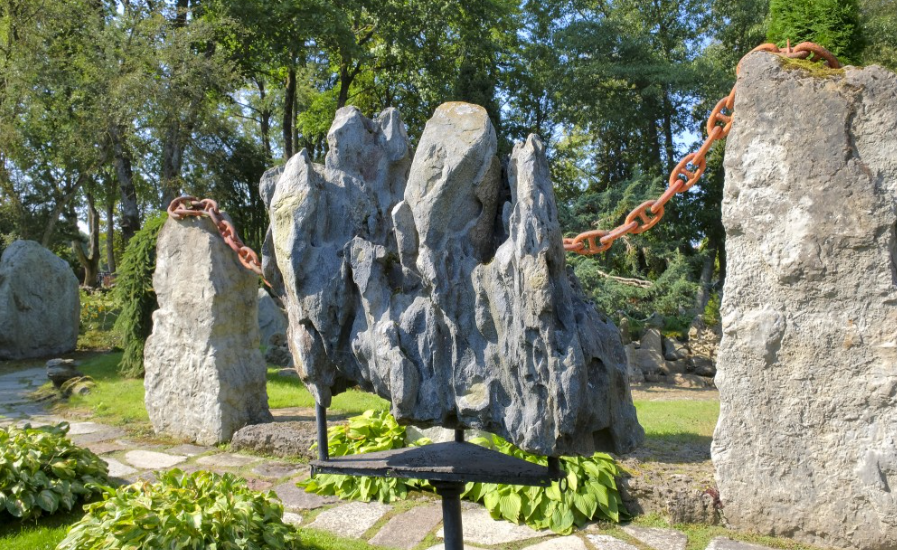
Sculptural pillars placed on a gravel surface create vertical interest and focal points. Whether abstract, geometric, or naturalistic, these elements break the horizontal plane of a gravel garden and draw the eye upward. Gravel enhances the contrast and keeps the base clean and low-maintenance.
Gravel Butterfly Spiral
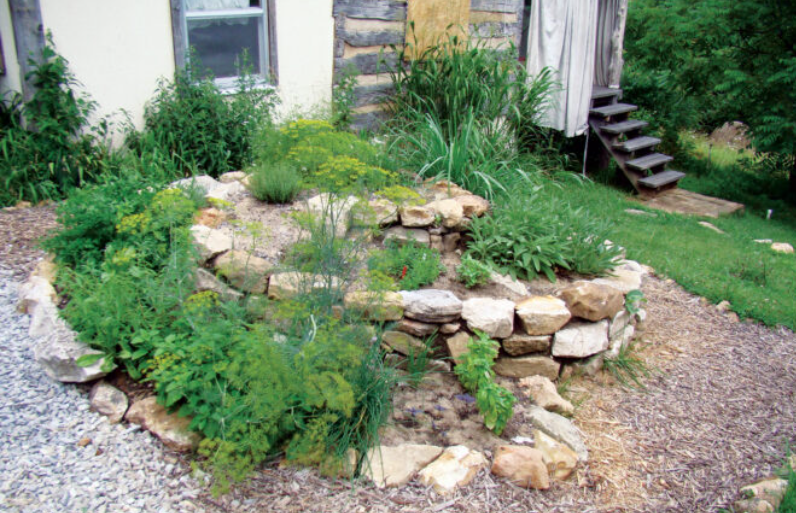
A gravel butterfly spiral combines a spiral layout with nectar-rich plants to attract pollinators. Gravel paths provide accessibility and define the spiral shape, while different plant heights create a layered habitat. This design is visually engaging and ecologically beneficial, supporting biodiversity in the garden.
Gravel Floating Island Beds
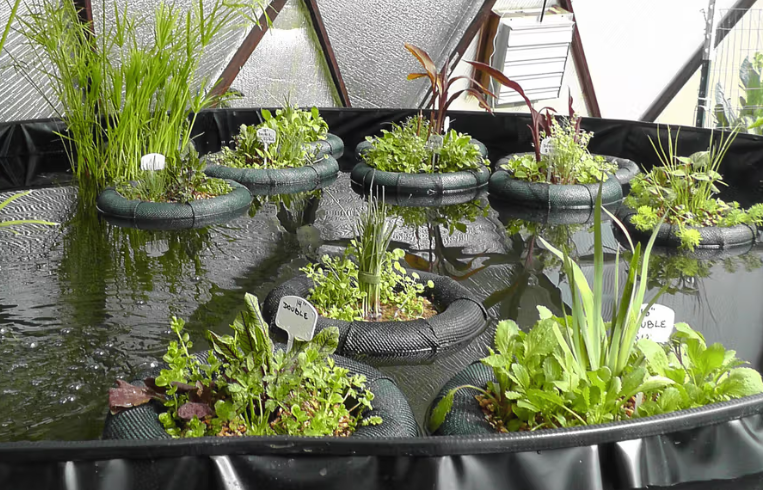
Floating island beds are raised planting areas that appear to “float” on a sea of gravel. Gravel surrounds each island, emphasizing its shape and keeping the ground neat. This creates a striking visual contrast and allows for organized planting schemes with easy access.
Gravel Optical Illusion Patterns
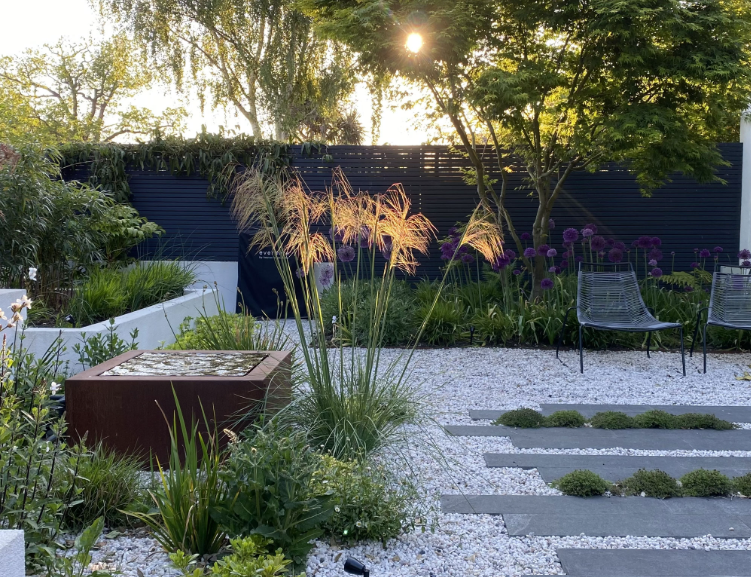
Gravel optical illusion patterns use color, size, and arrangement to create 3D visual effects. Concentric circles, spirals, or checkerboard designs can appear to rise or fall, adding a playful and surprising element. This approach turns a simple gravel surface into an interactive piece of visual art that engages viewers.
Gravel Horizon Line Garden
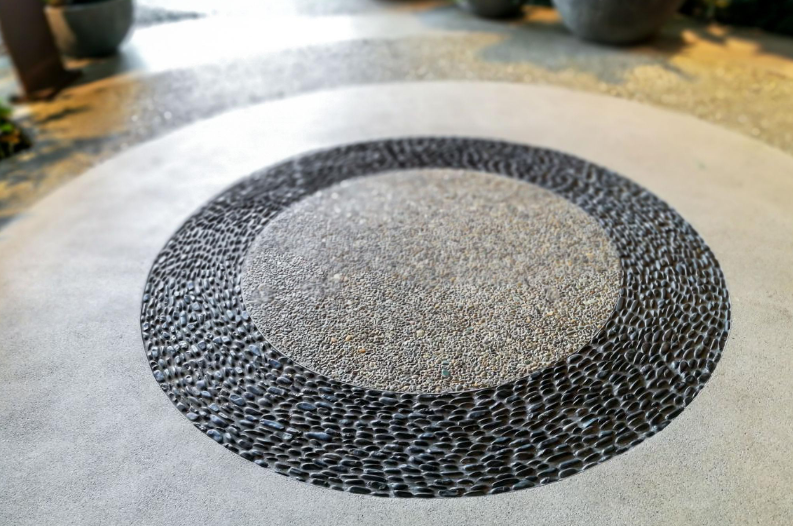
A gravel horizon line garden uses long, uninterrupted horizontal bands of gravel to create a sense of distance and openness. This design visually stretches the space, making smaller gardens feel larger. The clean lines bring a minimalist and contemporary feel, emphasizing balance and proportion.
Gravel Floating Bench Illusion
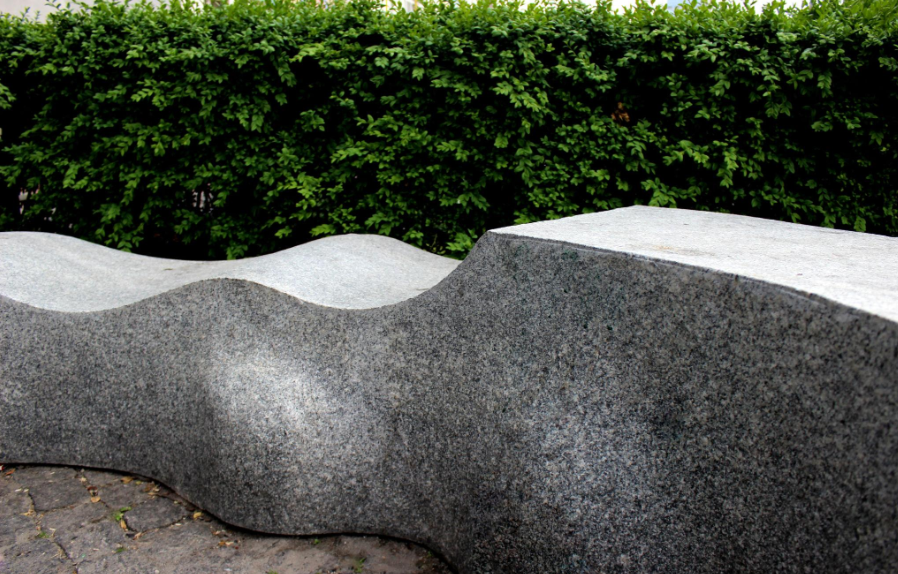
A gravel floating bench illusion creates the appearance of seating that hovers above the ground. Hidden supports or clever design make the bench seem suspended over a gravel surface. The simplicity of gravel enhances the illusion by keeping attention on the structure. This idea adds a touch of modern design and intrigue.
Gravel Fragrance Corridor
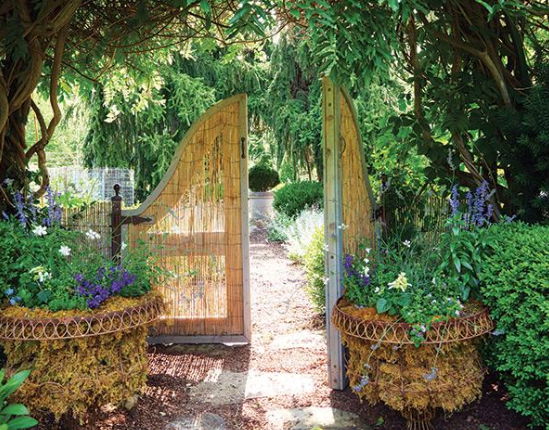
A gravel fragrance corridor focuses on scent as a key design element. A gravel path runs through areas planted with aromatic vegetation, allowing fragrance to be released as people walk by. The gravel enhances the experience by keeping the area clean and dry, while also subtly releasing scent when disturbed.
Gravel Reflective Strip Garden
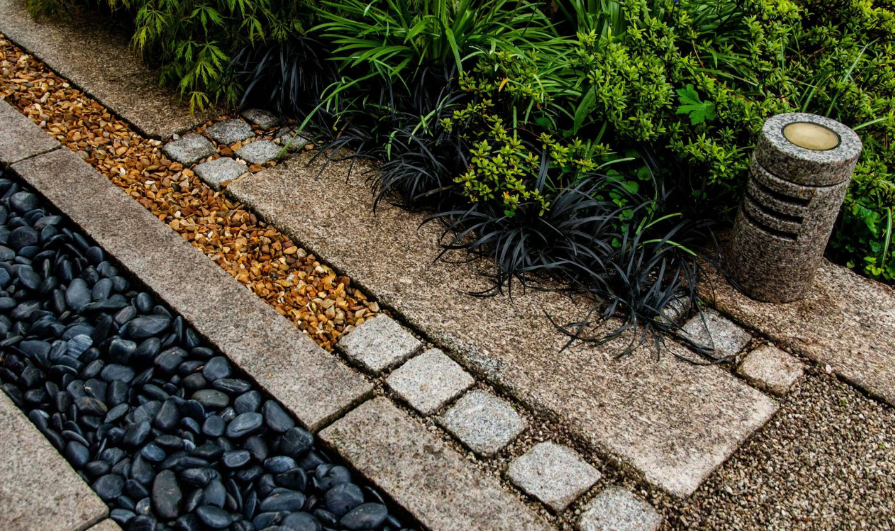
A gravel reflective strip garden incorporates metallic or polished elements within gravel bands to catch and reflect light. These strips shimmer in sunlight and create subtle highlights throughout the space. The contrast between matte gravel and reflective materials adds a modern, dynamic quality to the design.
Gravel Fossil Imprint Garden
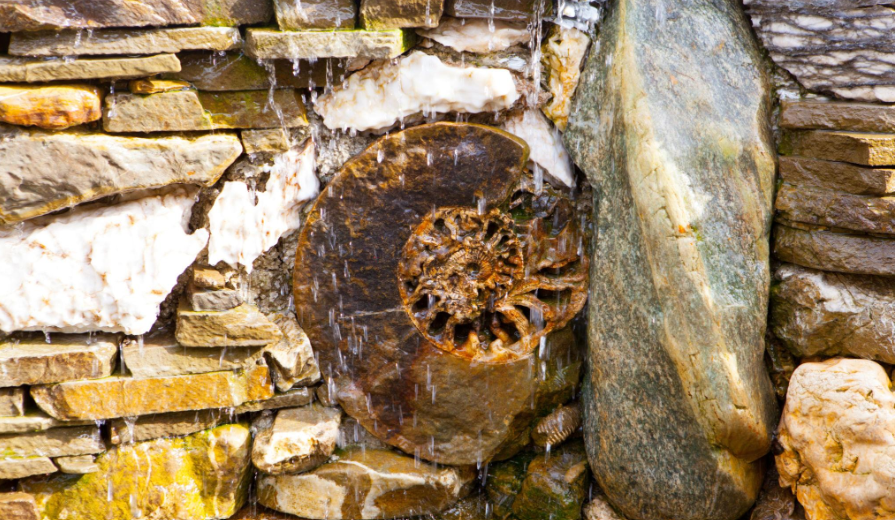
A gravel fossil imprint garden features patterns or embedded shapes that resemble ancient fossils or footprints. Stones, concrete casts, or carvings can be set into the gravel to mimic natural imprints. This design adds a storytelling element and a sense of history, making the garden feel like an archaeological landscape.
Gravel Windbreak Court
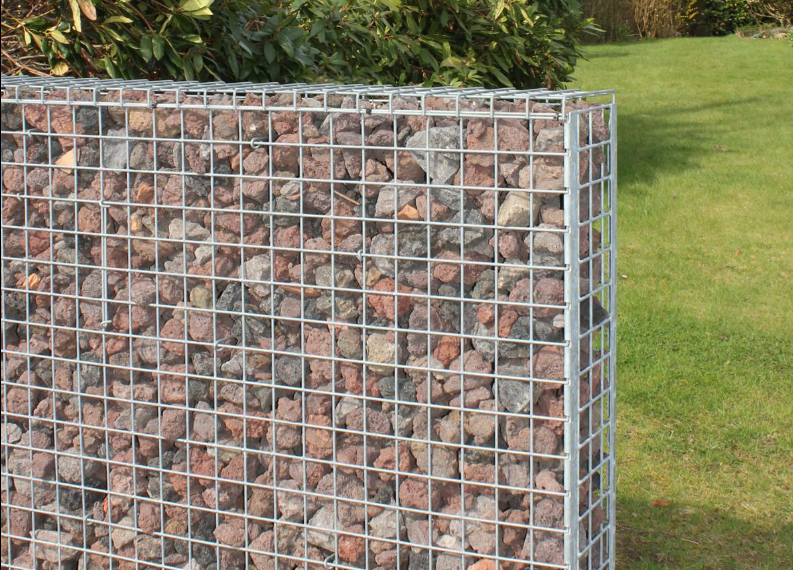
A gravel windbreak court is a sheltered garden space designed to reduce wind exposure. Using walls, hedges, or screens around a gravel base, it creates a calm and protected environment. The gravel keeps the ground dry and stable, while the enclosure improves comfort. This idea is particularly useful in open or windy areas.
Gravel Constellation Garden
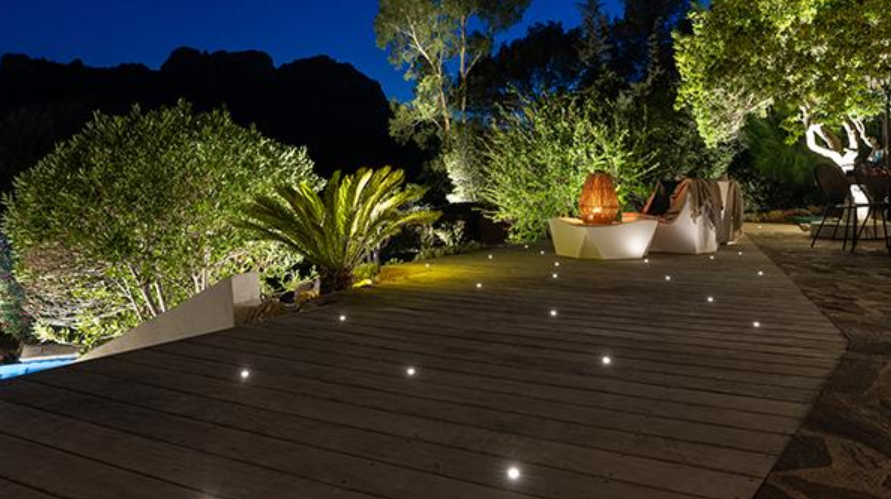
A gravel constellation garden brings the night sky down to earth by arranging stones or small lights in star-like patterns across a gravel surface. Glow-in-the-dark pebbles or subtle lighting can enhance the effect after sunset. This idea transforms the garden into a celestial experience, especially at night, making it both imaginative and visually captivating.