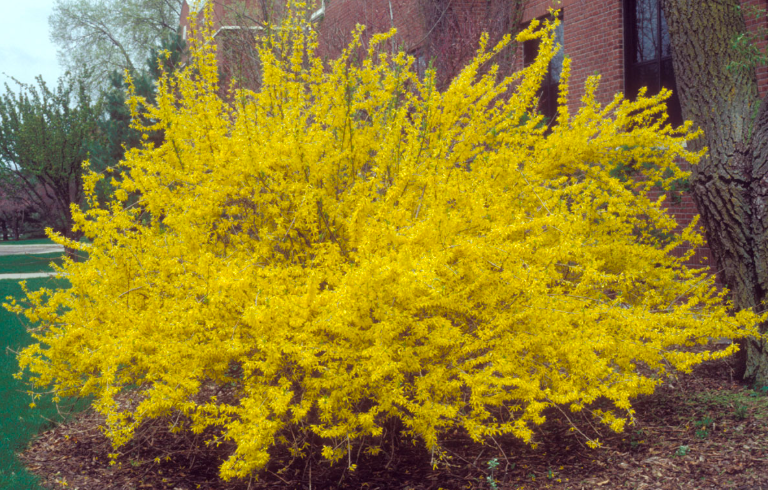
Plants with yellow flowers bring brightness and energy into outdoor spaces, often acting as natural focal points in a landscape. Their cheerful tones range from soft buttery shades to vivid golden hues, making them highly effective at drawing attention and lifting the overall mood of a garden.
In landscape design, they are commonly used to highlight entryways, line pathways, or anchor garden beds. Their vibrant color contrasts beautifully with green foliage and darker elements like stone or wood, helping to create depth and visual interest. When placed strategically, they can guide movement and emphasize key areas.
These plants blend well with a variety of color schemes. Yellow pairs harmoniously with blues and purples for a balanced look, while combining it with reds and oranges creates a warm, dynamic palette. This flexibility allows them to fit into both structured and informal garden styles.
Beyond aesthetics, yellow-flowering plants often attract pollinators such as bees and butterflies, contributing to a lively and ecologically beneficial environment. Their presence can enhance biodiversity while adding subtle motion and life to the landscape throughout their blooming period.
To perform well, they typically prefer well-drained soil and sufficient sunlight, along with occasional pruning to maintain their form and encourage consistent blooming.
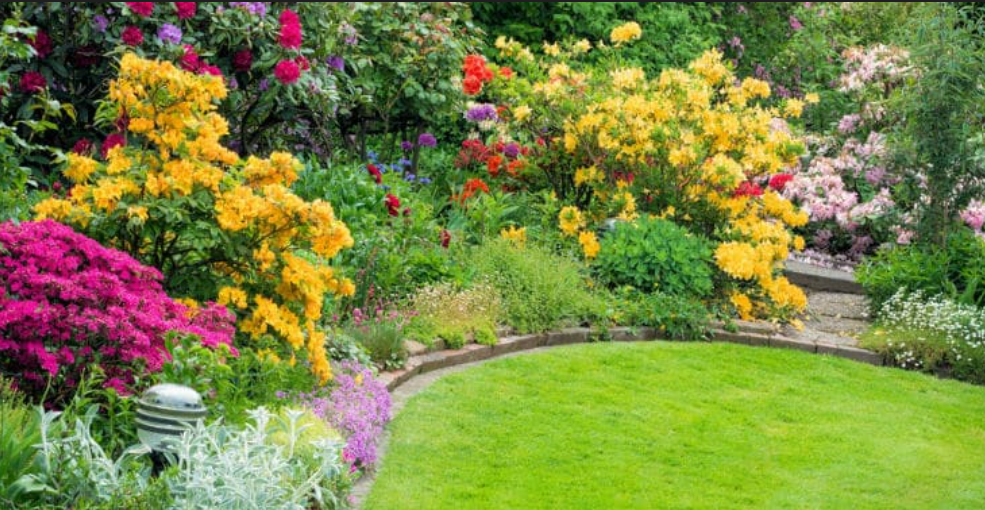
Yellow Flowering Shrubs/Bushes
Forsythia
Forsythia is one of the most recognizable harbingers of spring, exploding into a blaze of bright yellow flowers on bare branches before its leaves emerge. This vigorous, deciduous shrub is incredibly hardy and easy to grow, making it one of the most widely planted ornamental shrubs in temperate gardens around the world.
Winter Jasmine (Jasminum nudiflorum)
Winter jasmine is a sprawling, wall-hugging shrub that produces cheerful, bright yellow flowers on slender green stems throughout the coldest months of the year. Unlike most jasmines, it is not fragrant, but its ability to bloom in the depths of winter makes it an invaluable and much-loved garden plant.
Mahonia
Mahonia is a bold, architectural evergreen shrub that produces upright or cascading racemes of fragrant, deep yellow flowers in late autumn and winter. Its spiny, holly-like leaves give it a dramatic, year-round presence, and its flowers are a vital source of nectar for pollinators during the lean winter months.
Potentilla fruticosa (Shrubby Cinquefoil)
Shrubby cinquefoil is a compact, mound-forming deciduous shrub that produces cheerful, buttercup-yellow flowers continuously from late spring until the first frosts of autumn. It is one of the hardiest and most adaptable flowering shrubs available, thriving in poor soils, exposed sites, and a wide range of climates.
Berberis (Barberry)
Berberis is a large and diverse genus of spiny shrubs, many of which produce clusters of small, golden-yellow flowers in spring. Both deciduous and evergreen species are widely grown, valued not only for their flowers but also for their ornamental foliage, attractive berries, and usefulness as impenetrable hedging plants.
Kerria japonica (Japanese Rose)
Kerria japonica is a graceful, suckering shrub with bright green arching stems that bear vivid, golden-yellow flowers in spring. The double-flowered form, Kerria japonica ‘Pleniflora’, produces pompom-like blooms that are particularly showy and long-lasting, brightening up shaded corners of the garden beautifully.
Genista (Broom)
Genista is a genus of wispy, wiry-stemmed shrubs that smother themselves in masses of pea-like yellow flowers in late spring and early summer. They are sun-loving, drought-tolerant plants that thrive in poor, sandy soils where little else will grow, making them ideal for dry, difficult spots in the garden.
Cytisus (Common Broom)
Common broom is a fast-growing, arching shrub that produces a dazzling display of golden-yellow, pea-shaped flowers along its green stems in late spring. It is exceptionally tough and resilient, naturalizing freely on dry banks, heathland, and coastal clifftops where it can form striking naturalistic drifts of colour.
Hamamelis (Witch Hazel)
Witch hazel is one of the most magical of all winter-flowering shrubs, producing spidery, ribbon-like yellow flowers on bare, leafless branches from midwinter onwards. The flowers are remarkably frost-hardy and emit a sweet, spicy fragrance that carries on the cold winter air, making witch hazel a treasure in any garden.
Coronilla (Crown Vetch)
Coronilla is a cheerful, bushy shrub that produces clusters of bright yellow, pea-like flowers almost continuously throughout the year in mild climates. Its delicate, blue-green pinnate foliage provides an attractive backdrop to the vivid blooms, and it is an excellent plant for dry, sunny banks and wall-side borders.
Hypericum (St. John’s Wort)
Hypericum is a large and versatile genus of shrubs producing bold, saucer-shaped, golden-yellow flowers with a prominent central boss of fluffy stamens throughout summer. Many species also produce attractive ornamental berries in autumn in shades of red, copper, and black, extending their appeal well beyond the flowering season.
Spartium junceum (Spanish Broom)
Spanish broom is a tall, vigorous shrub with almost leafless, rush-like green stems that are decorated with large, intensely fragrant, golden-yellow flowers from early summer well into autumn. It is a bold, architectural plant perfectly suited to hot, dry Mediterranean-style gardens and coastal landscapes.
Laburnum
Laburnum is a spectacular large shrub or small tree that produces long, cascading chains of golden-yellow flowers in late spring, earning it the evocative common name of golden rain tree. When trained over a pergola or archway, laburnum creates one of the most breathtaking floral tunnels imaginable, a sight that stops visitors in their tracks.
Phlomis fruticosa (Jerusalem Sage)
Jerusalem sage is a handsome, drought-tolerant evergreen shrub with woolly, grey-green leaves and distinctive whorls of rich golden-yellow flowers arranged in rings up the stems in early summer. It is a superb plant for dry, Mediterranean-style gardens, blending beautifully with lavenders, salvias, and ornamental grasses.
Senecio (Brachyglottis)
Commonly known as shrubby senecio or ragwort, this tough evergreen shrub bears masses of bright, daisy-like yellow flowers in summer above distinctive silver-grey, felted foliage. It is exceptionally wind and salt-tolerant, making it an outstanding choice for exposed coastal gardens and seaside hedging.
Cassia (Senna)
Cassia is a showy shrub or small tree from warm climates that produces spectacular clusters of bright yellow flowers, often in great abundance throughout the warmer months. Several species are widely grown as ornamentals in tropical and subtropical gardens, where they make bold, colourful specimen plants or informal hedges.
Fremontodendron (Flannel Bush)
Fremontodendron is a magnificent, fast-growing evergreen shrub that produces large, waxy, saucer-shaped yellow flowers from late spring until autumn in great profusion. It thrives when grown against a sunny wall in well-drained soil, and its combination of bold flowers and felted, lobed foliage gives it a distinctly exotic appearance.
Abeliophyllum distichum (White Forsythia – Yellow forms)
Though commonly called white forsythia, some forms of abeliophyllum produce pale primrose-yellow flowers with a delicate, sweet fragrance on bare stems in late winter and early spring. It is a refined and elegant shrub that deserves far wider use in gardens as a companion to other early-flowering winter shrubs.
Acacia (Wattle)
Acacias, commonly known as wattles, are among the most spectacularly flowering of all shrubs, producing masses of fluffy, golden-yellow pompom-like blooms that can cover the entire plant. Native primarily to Australia, they are beloved as ornamentals worldwide in warm climates, and their flowers are the national symbol of Australia.
Lonicera nitida ‘Baggesen’s Gold’ (Shrubby Honeysuckle)
This popular evergreen shrub is primarily grown for its masses of tiny, golden-yellow foliage that remains bright and cheerful throughout the year. While its small, creamy-yellow flowers are relatively inconspicuous, the plant’s overall golden appearance makes it one of the most versatile and widely used shrubs in garden design.
Euryops pectinatus (Grey-leaved Euryops)
Euryops is a cheerful, fast-growing evergreen shrub from South Africa that produces a near-constant display of bright, daisy-like yellow flowers above finely divided, silver-grey foliage. It is particularly popular in Mediterranean and coastal gardens, where it thrives in full sun and well-drained, relatively poor soils.
Corylopsis (Winter Hazel)
Corylopsis is a graceful, deciduous shrub that produces delightful, pendulous chains of soft, pale yellow, cowslip-scented flowers on bare branches in late winter and early spring. It is a refined and underused garden plant that deserves a sheltered spot in dappled shade where its delicate blooms are protected from harsh late frosts.
Stachyurus praecox
Stachyurus praecox is an elegant deciduous shrub that bears stiff, pendulous racemes of small, bell-shaped pale yellow flowers on bare branches in late winter. Its early flowering habit and arching, graceful form make it a beautiful and distinctive choice for woodland gardens and sheltered shrub borders.
Jasminum humile (Italian Yellow Jasmine)
Italian yellow jasmine is a semi-evergreen shrub bearing clusters of bright, cheerful yellow flowers from spring through to autumn, sometimes even longer in mild climates. Unlike winter jasmine, it has a pleasant light fragrance and a more upright habit, making it an attractive and versatile plant for walls, fences, and open borders.
Piptanthus nepalensis (Evergreen Laburnum)
Evergreen laburnum is a striking, fast-growing shrub with bold, trifoliate leaves and large clusters of bright yellow, pea-like flowers in late spring. It is slightly tender in colder climates but thrives magnificently when given the shelter of a sunny wall, where it can develop into a large and impressive specimen.
Helianthemum (Rock Rose – Yellow varieties)
Yellow-flowering helianthemums are compact, spreading, sub-shrubby plants that produce a profusion of bright, papery, saucer-shaped flowers throughout late spring and early summer. They are indispensable plants for rock gardens, dry stone walls, and the front edges of sunny, well-drained borders.
Broom (Genista hispanica – Spanish Gorse)
Spanish gorse is a dense, spiny, cushion-forming shrub that covers itself in a bright golden carpet of small, pea-like yellow flowers in late spring. It forms a neat, rounded hummock that is ideal for rock gardens, gravel plantings, and dry sunny slopes where it needs virtually no maintenance once established.
Banksia
Banksia is a remarkable Australian native shrub producing extraordinary, cone-shaped flower spikes in shades of yellow, gold, and amber that are packed with hundreds of individual tiny flowers. These striking, architectural blooms are highly attractive to honeyeaters and other nectar-feeding wildlife, and they make stunning, long-lasting cut flowers.
Colutea arborescens (Bladder Senna)
Bladder senna is an airy, fast-growing deciduous shrub that produces small, bright yellow, pea-like flowers from late spring through to early autumn. Its most amusing feature is its inflated, papery seed pods that follow the flowers and make a satisfying popping sound when squeezed, delighting children and adults alike.
Halimium
Halimium is a beautiful, sun-loving evergreen shrub closely related to the cistus, producing a generous display of golden-yellow, papery flowers in late spring and early summer. Originating from the Mediterranean region, it is perfectly adapted to hot, dry conditions and poor soils, making it an excellent companion plant in gravel and drought-tolerant gardens.
Ribes odoratum (Buffalo Currant)
Buffalo currant is a charming, arching deciduous shrub that produces clusters of small, tubular, golden-yellow flowers with an intense, spicy clove fragrance in mid-spring. Its fragrance alone makes it worth growing, and it is an easy, adaptable shrub that also provides attractive autumn colour and edible black berries.
Senna didymobotrya (Popcorn Cassia)
Popcorn cassia earns its unusual name from the rich, buttery popcorn fragrance released by its dark flower buds before they open into bright yellow blooms. This fast-growing shrub produces upright spikes of vivid yellow flowers almost continuously in warm climates, making it a bold and attention-grabbing addition to any garden.
Reinwardtia indica (Yellow Flax)
Yellow flax is a small, semi-woody shrub that produces a succession of large, bright, silky-yellow flowers throughout winter and early spring, when colour in the garden is most welcome. Its cheerful blooms and compact habit make it a valuable plant for warm, sheltered gardens and conservatory borders.
Elaeagnus × ebbingei (Golden Elaeagnus)
The variegated forms of elaeagnus, with their bright gold and green foliage, light up dark corners of the garden throughout the year. While its small, creamy-yellow flowers are tiny and easily overlooked, they emit a powerfully sweet and intoxicating autumn fragrance that drifts remarkably far from the plant.
Mimosa (Acacia dealbata – Silver Wattle)
Silver wattle is a stunning large shrub or small tree that erupts in a cloud of fluffy, fragrant, golden-yellow pompom flowers in late winter and early spring. One of the earliest flowering plants of the year, its blooms are highly prized by florists and have become synonymous with the arrival of spring in many parts of Europe.
Pachystachys lutea (Lollipop Plant)
The lollipop plant is a tropical shrub that produces upright, cone-shaped spikes of golden-yellow bracts from which small white flowers emerge. A popular houseplant and conservatory specimen in cooler climates, it blooms almost continuously in warm conditions and its bold, architectural flower spikes make an arresting visual statement.
Tecoma stans (Yellow Bells)
Yellow bells is a vigorous, tropical shrub that produces large clusters of bright, trumpet-shaped yellow flowers almost year-round in warm climates. It is an extremely popular ornamental in tropical and subtropical gardens worldwide, attracting hummingbirds and butterflies in large numbers with its generous and continuous display of blooms.
Duranta erecta (Golden Dewdrop – Yellow forms)
While duranta is perhaps most famous for its golden-yellow berries, yellow-flowering forms of this tropical shrub produce attractive racemes of small blooms throughout the growing season. It is a vigorous, sun-loving plant widely grown as a hedge or specimen shrub in warm climates around the world.
Allamanda schottii (Bush Allamanda)
Bush allamanda is a shrubby, non-climbing relative of the more commonly known allamanda vine, producing large, trumpet-shaped, golden-yellow flowers throughout the warm months. It is a bold, tropical-looking plant that thrives in hot, humid conditions and makes a stunning statement in tropical and subtropical garden borders.
Grewia occidentalis (Crossberry – Yellow forms)
Crossberry is a versatile South African shrub that in some forms produces charming, star-shaped yellow flowers, making it a colourful addition to warm, dry garden landscapes. It is a tough, adaptable plant that tolerates drought, poor soils, and coastal conditions with considerable ease.
Chrysolepis (Golden Chinkapin)
Golden chinkapin is an evergreen shrub or small tree native to the western United States that produces upright, catkin-like spikes of small, creamy-yellow flowers in summer. Its lance-shaped leaves have a distinctive golden-yellow underside that shimmers beautifully in a breeze, giving the plant a permanently gilded appearance.
Isoplexis canariensis (Canary Island Foxglove)
This remarkable, exotic-looking shrub from the Canary Islands produces dense, upright spikes of rich amber-yellow to orange-yellow tubular flowers that glow like embers in the summer garden. It is a tender plant best suited to warm, sheltered sites or container growing in cooler climates, but it richly rewards the care it receives.
Thevetia peruviana (Yellow Oleander)
Yellow oleander is a tropical evergreen shrub that produces fragrant, funnel-shaped flowers in soft shades of yellow and apricot throughout the warmer months. Despite its common name, it is not a true oleander, though like that plant all parts of it are toxic; it is nonetheless widely grown as an ornamental in tropical gardens for its elegant, showy blooms.
Gorse (Ulex europaeus)
Gorse is a fiercely spiny, evergreen shrub that produces a dazzling display of intensely coconut-scented, golden-yellow flowers for much of the year, particularly in spring and early summer. It is one of the toughest and most resilient of all shrubs, colonizing heathland, clifftops, and rough ground in spectacular golden drifts.
Anthyllis hermanniae (Dwarf Kidney Vetch)
This compact, spiny Mediterranean shrub produces masses of small, bright yellow, pea-like flowers throughout late spring and summer. It forms a dense, rounded hummock of tangled stems that is perfectly suited to gravel gardens, rock gardens, and other well-drained, drought-tolerant planting schemes.
Calceolaria integrifolia (Shrubby Slipper Flower)
The shrubby slipper flower is a charming, bushy semi-evergreen shrub that produces masses of small, inflated, pouch-like yellow flowers that resemble tiny slippers from summer through to autumn. It is a colourful and slightly quirky plant that makes an excellent subject for containers, sunny borders, and conservatory displays.
Hibbertia scandens (Guinea Flower)
Guinea flower is an Australian native shrub or scrambling climber that produces large, bright yellow, five-petaled flowers with a prominent central cluster of stamens throughout much of the year. Its cheerful, rose-like blooms and glossy, deep green foliage make it a highly attractive and versatile plant for warm, sheltered gardens.
Edgeworthia chrysantha (Paperbush)
Paperbush is a beautiful deciduous shrub that produces rounded clusters of small, tubular, golden-yellow flowers on bare stems in late winter and early spring, each cluster resembling a firework frozen in mid-burst. The flowers emit a delicate, sweet fragrance and the plant’s bark has been historically used to make high-quality paper in Japan and China, adding a fascinating cultural dimension to its ornamental appeal.