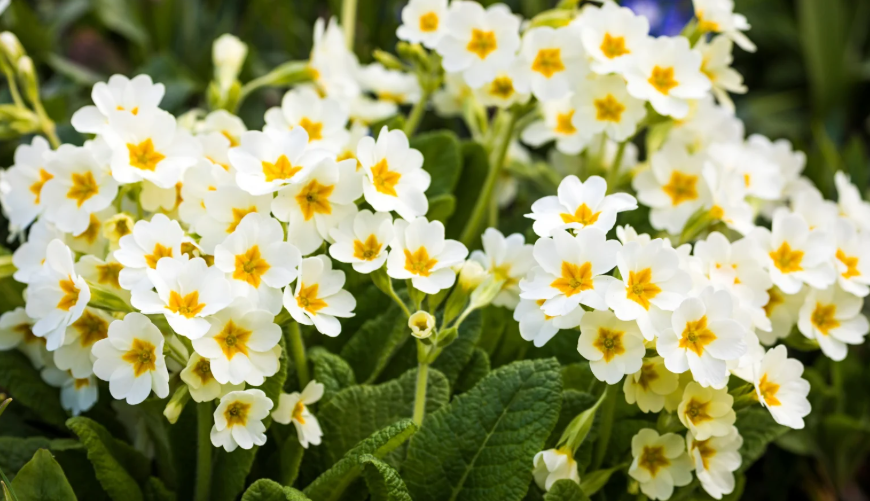
Flowers with yellow centers are among the most eye-catching plants in gardens and natural landscapes. The bright central disk often stands out strongly against lighter or darker petals, creating a bold contrast that draws attention from a distance. This natural design helps make these blooms visually striking and easy to recognize.
The yellow center typically plays an important role in reproduction. It contains clusters of tiny structures that produce pollen and nectar, which attract pollinators like bees, butterflies, and other insects. The vivid color acts as a signal, guiding these visitors directly to the source of food.
These flowers are commonly associated with warmth, positivity, and energy. The yellow center resembles the sun, giving the blooms a cheerful and uplifting appearance. Because of this, they are often used in gardens to create a bright and welcoming atmosphere.
In terms of growth habits, many of these plants are hardy and adaptable. They can thrive in a range of conditions, from full sunlight to partial shade, depending on the species. Their resilience makes them popular choices for both beginner and experienced gardeners.
Flowers with yellow centers are also valued for their versatility in landscaping. They blend well with other plants and can be used to create contrast, highlight borders, or fill in empty spaces. Whether planted in clusters or scattered throughout a garden, they add visual interest and depth.
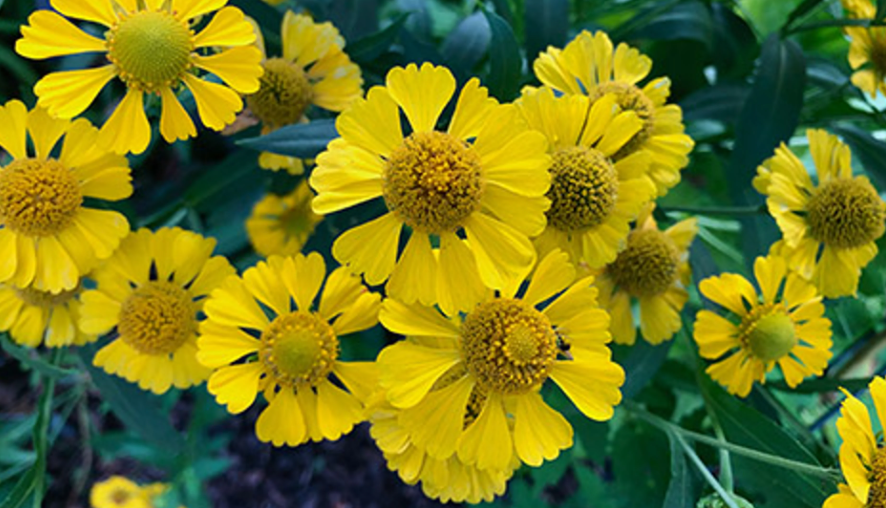
Flowers With Yellow Centers
Black-Eyed Susan (Rudbeckia hirta)
The black-eyed Susan is one of the most cheerful and recognisable wildflowers of North American prairies and meadows, its golden-yellow ray petals radiating outward from a prominent, domed, dark brown-black central disc that creates the bold, high-contrast combination responsible for its enduring popularity in gardens worldwide. It blooms prolifically from midsummer through autumn, self-seeds freely, and is outstanding for attracting bees, butterflies, and seed-eating birds.
Sunflower (Helianthus annuus)
The sunflower is the most iconic of all yellow-centred flowers, its enormous, plate-sized heads bearing hundreds of tiny, tightly packed disc florets in the central boss surrounded by bold, golden-yellow ray petals that track the movement of the sun during the day in young plants — a phenomenon known as heliotropism. Native to North America, it has been cultivated for food, oil, and ornament for thousands of years and remains one of the most universally loved and recognisable flowers on earth.
Daisy (Bellis perennis)
The common daisy is one of the simplest and most universally beloved flowers in the world, its small, white ray petals arranged in a neat, flat circle around a bright, rounded, golden-yellow central disc that catches the spring sunlight with cheerful, uncomplicated beauty. Found in lawns, meadows, and garden borders across the temperate world, it has been a symbol of innocence and joy in art and literature for centuries.
Echinacea (Echinacea purpurea)
Purple coneflower produces distinctive, prominent, spiky, orange-bronze central cones surrounded by drooping, rose-purple ray petals, the warm, golden-amber tones of the raised central disc providing a vivid focal point that catches both the eye and the attention of the bumblebees, butterflies, and goldfinches that are irresistibly drawn to it throughout summer and autumn.
Chamomile (Matricaria chamomilla)
German chamomile is a delicate, fragrant annual bearing small, daisy-like flowers with pure white ray petals surrounding a raised, hollow, bright golden-yellow central dome that releases a warm, apple-like fragrance when bruised or brushed against. It has been one of the most widely used medicinal plants in the world for thousands of years and remains a staple of herbal medicine cabinets and tea collections across every continent.
Shasta Daisy (Leucanthemum × superbum)
The Shasta daisy is a robust, free-flowering perennial producing large, classic daisy flowers with crisp, white ray petals and prominent, flat, bright yellow central discs on strong, upright stems throughout summer. Named after Mount Shasta in California by its creator Luther Burbank, it is one of the most reliable and long-flowering of all white-and-yellow perennials and a cornerstone of the traditional herbaceous border.
Tickseed (Coreopsis spp.)
Coreopsis, commonly known as tickseed, produces cheerful, daisy-like flowers in vivid shades of yellow, orange, and bicoloured combinations, each with a small, contrasting yellow to reddish-brown central disc that intensifies the colour impact of the already vivid ray petals. It blooms with remarkable generosity from early summer through autumn, is exceptionally drought tolerant once established, and is among the most bee-friendly perennials available to gardeners.
Pot Marigold (Calendula officinalis)
The pot marigold is a cheerful, easy-growing annual with a long history of culinary, medicinal, and ornamental use, producing double or semi-double flowers in vivid shades of orange and yellow with a warm, slightly resinous fragrance and a small but distinct central disc of tightly packed florets at the heart of each bloom. It flowers with great generosity from spring through to the first hard frosts and self-seeds reliably to maintain a persistent presence in the garden.
Oxeye Daisy (Leucanthemum vulgare)
The oxeye daisy is a classic meadow wildflower of European grasslands bearing large, simple, pure white daisy flowers with broad, flat, bright yellow central discs on tall, slender stems that sway gracefully in the summer breeze. It naturalises readily in wildflower meadows and informal garden settings and is an outstanding nectar plant for a wide range of pollinators, its open, accessible flower centre being particularly valued by smaller bee species and hoverflies.
Gaillardia (Gaillardia × grandiflora)
Blanket flower is a vivid, long-flowering perennial from the North American prairies producing large, daisy-like flowers in fiery combinations of red, orange, and yellow, with a prominent, rounded, reddish-purple to deep yellow central disc surrounded by ray petals whose tips are often jagged and bicoloured, giving each flower a bold, almost decorative quality. It thrives in poor, dry, well-drained soils in full sun and flowers with extraordinary generosity from early summer to hard frost.
Zinnia (Zinnia elegans)
Zinnias are among the most colourful and free-flowering of all annual garden plants, available in virtually every colour of the spectrum, and many varieties feature a small, contrasting yellow or green central disc that provides a focal point within the dense, dahlia-like arrangement of ray florets. They are exceptionally easy to grow from seed, remarkably heat tolerant, and outstanding for attracting butterflies, making them one of the most rewarding flowers for summer gardens.
Cosmos (Cosmos bipinnatus)
Cosmos is a graceful, airy annual from Mexico bearing delicate, bowl-shaped flowers in white, pink, and rich magenta, each with a small, bright yellow central disc surrounded by broad, flat, slightly overlapping ray petals of silky texture. The feathery, fine-cut foliage gives the entire plant a light, romantic quality that moves beautifully in the breeze, and the flowers are produced in abundance from midsummer right through to the first autumn frosts with virtually no care required.
Gazania (Gazania rigens)
Treasure flower is a South African daisy of extraordinary vibrancy, producing large, vivid flowers in shades of orange, yellow, red, and pink, often with striking dark rings or zones around the central yellow disc that create a bold, bullseye pattern of great ornamental impact. The flowers close at night and on overcast days, opening fully only in direct sunlight, and the silvery, felted foliage provides attractive ground-covering interest even when the flowers are closed.
Rudbeckia (Rudbeckia fulgida ‘Goldsturm’)
‘Goldsturm’ is one of the most celebrated and widely planted of all perennial garden flowers, a compact, free-flowering coneflower cultivar bearing masses of vivid, golden-yellow daisy flowers with prominent, dark brown-black central cones from midsummer through to late autumn. It received the prestigious Perennial Plant of the Year award and has become a cornerstone of naturalistic and prairie-style planting designs, combining magnificently with ornamental grasses and late-season perennials.
Helenium (Helenium autumnale)
Sneezeweed is a bold, upright perennial of North American meadows and streambanks bearing masses of richly coloured, reflexed-petal daisy flowers in shades of red, orange, and deep yellow, each with a prominent, rounded, golden-brown to dark yellow central boss that dominates the flower and gives the plant its distinctive, slightly eccentric character. It flowers from midsummer through autumn and is outstanding for bees and butterflies that feed avidly on its pollen-rich central discs.
Anthemis (Anthemis tinctoria)
Golden marguerite is a spreading, aromatic perennial bearing small, bright yellow, chamomile-like daisy flowers with slightly darker yellow central discs above ferny, deeply divided, pungently fragrant foliage throughout summer. It is a drought-tolerant, sun-loving plant of great charm that performs best in poor, well-drained soils and rewards hard cutting back after the first flush of blooming with a generous second wave of flowers later in the season.
Osteospermum (Osteospermum spp.)
African daisy is a showy, tender perennial from South Africa producing large, daisy-like flowers in white, purple, pink, and yellow, most varieties featuring distinctive, vivid blue or yellow central discs that create a striking colour contrast with the ray petals and give the flowers a jewelled, almost artificial quality. In warm, sheltered positions it blooms prolifically from spring through autumn and is one of the most popular and eye-catching plants for containers and sunny border edges.
Strawflower (Xerochrysum bracteatum)
The strawflower is an Australian annual or short-lived perennial producing papery, everlasting flowers in vivid shades of orange, red, yellow, pink, and white, each composed of stiff, dry, petal-like bracts surrounding a small, tightly packed yellow central disc. The flowers retain their colour and form perfectly when dried, making the strawflower one of the most valuable of all plants for dried flower arrangements, and they also provide outstanding colour in summer borders over an exceptionally long season.
Tansy (Tanacetum vulgare)
Tansy is a vigorous, aromatic perennial of European hedgerows and roadsides bearing flat-topped clusters of small, button-like flowers that consist entirely of the yellow central disc with no surrounding ray petals, giving each flowerhead a neat, rounded, golden-yellow appearance of considerable charm when viewed en masse. It has a long history of use as a medicinal and culinary herb and as an insect repellent, though its strong camphor-like scent and toxicity to mammals make it unsuitable for internal use.
Sneezewort (Achillea ptarmica)
Sneezewort is a moisture-loving yarrow relative bearing loose, branching clusters of small, white daisy flowers with small, creamy-yellow to pale green central discs on upright stems in midsummer. The double-flowered form ‘The Pearl’ is particularly popular in cottage gardens for its neat, pompon-like white blooms, and the plant spreads freely by underground runners to form substantial colonies in moist, fertile soils where it associates beautifully with more richly coloured summer perennials.
Erigeron (Erigeron karvinskianus)
Mexican fleabane is a delightful, free-spirited, trailing perennial from Mexico producing a continuous succession of tiny daisy flowers with narrow white ray petals surrounding a small, bright yellow central disc, the petals ageing from white through pink to deep rose so that all three colours appear simultaneously on the plant. It self-seeds into wall crevices, paving gaps, and rocky ledges with charming naturalness and flowers from late spring until the first hard frosts.
Heliopsis (Heliopsis helianthoides)
False sunflower is a robust, clump-forming North American prairie perennial producing an abundance of large, sunflower-like flowers with vivid golden-yellow ray petals and prominent, slightly raised, darker yellow to olive-yellow central discs from midsummer through autumn. It is more compact and better behaved in the border than true sunflowers, produces excellent cut flowers, and is highly attractive to bees and butterflies that visit the pollen-rich central discs in large numbers.
Bidens (Bidens ferulifolia)
This cheerful, spreading annual from Mexico and the American Southwest produces a continuous, seemingly inexhaustible succession of small, golden-yellow, five-petalled daisy flowers with darker yellow central discs above delicate, finely divided, ferny foliage throughout the entire growing season. It is one of the best summer-flowering plants for hanging baskets and containers, trailing gracefully over the edges and flowering prolifically with minimal attention in a warm, sunny position.
Marguerite Daisy (Argyranthemum frutescens)
The marguerite daisy is a shrubby perennial from the Canary Islands bearing a continuous, lavish succession of classic daisy flowers in white, pink, or yellow, each with a prominent, rounded, bright yellow central disc, from spring through autumn. It is a staple of formal bedding schemes, container displays, and informal cottage borders, flowering with remarkable generosity and responding well to regular deadheading and light trimming that keeps it compact and productive throughout the season.
Inula (Inula hookeri)
Inula hookeri is an elegant, spreading perennial bearing large, shaggy, pale yellow daisy flowers with numerous very fine, thread-like ray petals surrounding a prominent, rounded, deep golden-yellow central disc that gives each bloom a wonderfully untidy, sunburst quality. It spreads steadily by underground stolons to form substantial colonies in moist, partially shaded conditions and provides a warm, late-summer splash of yellow at a time when the garden palette is often dominated by richer, deeper colours.
Senecio (Senecio × hybridus)
The florist’s cineraria is a tender perennial widely grown as a winter and spring pot plant, producing dense, domed clusters of vivid daisy flowers in striking shades of purple, blue, red, and white, each flower centred with a small, bright yellow or white disc that provides a clean, luminous focal point within the richly coloured petals. The intense, jewel-bright colours and compact, floriferous habit make it one of the most dazzling of all indoor flowering plants during the cooler months.
Doronicum (Doronicum orientale)
Leopard’s bane is a cheerful, early-flowering perennial that produces bright, golden-yellow daisy flowers with slightly darker yellow central discs in spring, at a time when yellow-centred flowers are relatively scarce and their cheerful colour is particularly welcome after the long winter months. It thrives in partial shade and moist, fertile soils, and its early flowering season makes it an invaluable companion to spring bulbs and other early-season perennials in woodland and shade garden settings.
Felicia (Felicia amelloides)
The blue marguerite or kingfisher daisy from South Africa produces a delightful and unusual colour combination — clear, sky-blue ray petals surrounding a small, vivid yellow central disc — that creates one of the most refreshing and luminous colour contrasts available in the entire flower world. It is a tender, shrubby perennial that flowers prolifically from spring through summer in a warm, sunny position and is an excellent container plant for patios and terraces in temperate gardens.
Arctotis (Arctotis spp.)
African daisy, or arctotis, is a South African annual or tender perennial producing large, showy, daisy-like flowers in vivid shades of orange, red, yellow, and white, most with a contrasting dark ring and bright yellow central disc that intensifies the overall colour impact dramatically. Like gazanias, the flowers open only in full sun and close in shade or on overcast days, and the silvery-white, woolly foliage provides attractive contrast to the vivid flowers even when they are not fully open.
Chrysanthemum (Chrysanthemum spp.)
Single and semi-double chrysanthemum varieties retain the classic daisy structure of ray petals surrounding a central disc, and in many species and cultivars this disc is a vivid, bright golden-yellow that contrasts beautifully with white, pink, red, or purple ray petals. Chrysanthemums have been cultivated in China for more than 2,500 years and remain among the most widely grown and culturally significant flowers in the world, symbolising longevity, joy, and autumn across many Asian cultures.
Cape Daisy (Dimorphotheca sinuata)
Cape daisy is a fast-growing South African annual producing vivid, satiny flowers in shades of orange, yellow, and white, each with a distinctive, dark blue-black to deep violet central disc surrounded by bright ray petals that create one of the most striking and unusual colour combinations among daisy-family flowers. It thrives in poor, dry, well-drained soils in full sun and flowers most prolifically when conditions are warm and sunny, closing its petals at night and on overcast days.
Echinacea ‘Magnus’ (Echinacea purpurea ‘Magnus’)
‘Magnus’ is an award-winning purple coneflower cultivar bearing large, flat-petalled, rich rose-purple flowers with a prominent, spiky, bright orange-amber central cone that glows warmly against the purple ray petals in a combination of great visual richness and ecological value. Its large, flat, horizontal flower head structure makes the nectar and pollen exceptionally accessible to a wide range of pollinators including bumblebees, honeybees, butterflies, and specialist native bee species.
Tithonia (Tithonia rotundifolia)
Mexican sunflower is a tall, vigorous annual from Mexico and Central America producing large, vivid orange-red, daisy-like flowers with small, compact, deep golden-yellow central discs on long, hollow stems throughout summer and autumn. It is exceptionally heat and drought tolerant once established, grows very quickly to impressive heights of 1.5 metres or more, and is outstanding for attracting monarchs, swallowtails, and other large butterflies to the garden.
Scabiosa (Scabiosa spp.)
While scabiosas are perhaps best known as pincushion flowers with protruding white stamens rather than classic yellow discs, certain species — particularly the yellow scabious Scabiosa ochroleuca — produce domed, pincushion flowerheads of pale yellow with a subtly darker, golden-yellow central zone that glows warmly against the soft, feathery outer florets. All scabious species are outstanding butterfly plants providing nectar-rich flowers over an exceptionally long season.
Helichrysum (Helichrysum bracteatum)
Paper daisy or everlasting is an Australian annual producing papery, bright flowers in yellow, orange, red, pink, and white, most forms featuring a small, tight, yellow central disc surrounded by stiff, dry, petal-like bracts that retain their vivid colour perfectly when dried for arrangements. In the garden it provides vivid colour over a long summer season and the dried flower heads are among the most long-lasting and colour-fast of all everlasting flowers.
Knautia (Knautia macedonica)
Macedonian scabious produces small, domed, pincushion flowerheads of deep claret-crimson or occasionally pale pink on slender, branching stems over a very long season from early summer to the first frosts, each flowerhead consisting of tiny, four-lobed florets arranged around a small, slightly paler central zone. It self-seeds freely and mingles charmingly with ornamental grasses and airy perennials in naturalistic border schemes, and its open, accessible flowers are outstanding for butterflies and small bees.
Feverfew (Tanacetum parthenium)
Feverfew is a short-lived, freely self-seeding perennial herb producing masses of small, classic white daisy flowers with neat, flat, bright yellow central discs above aromatic, strongly scented, ferny foliage throughout summer. A cottage garden staple for centuries, it has been used medicinally as a treatment for migraine headaches and fevers, and the double-flowered form produces attractive, fully double, white pompon flowers that lack the central disc entirely but are highly ornamental in their own right.
Venidium (Arctotis fastuosa)
Monarch of the Veldt is a spectacular South African annual producing very large, vivid orange daisy flowers with a distinctive, dramatic dark purple-black ring surrounding the bright golden-yellow central disc, the combination of orange, near-black, and yellow creating one of the most striking and unusual colour arrangements of any yellow-centred flower. The silvery, woolly foliage and the jewel-like central disc make this one of the most visually arresting annuals available for sunny, dry summer borders.
Ursinia (Ursinia anthemoides)
Ursinia is a South African annual daisy producing vivid, golden-orange flowers with a striking dark purple central ring encircling a small, bright yellow disc, creating the same bold, concentric colour pattern seen in venidium and making it an outstanding plant for adding vivid, exotic-looking colour to summer borders and containers. It thrives in hot, dry conditions with excellent drainage and poor soil, flowers over a long season, and closes its flowers in the shade as is typical of many South African daisy relatives.
Prairie Coneflower (Ratibida columnifera)
The prairie coneflower, or Mexican hat, is a distinctive and charming wildflower of North American prairies bearing unusual flowers with drooping, reflexed, yellow or mahogany-red ray petals surrounding an extraordinarily tall, elongated, thimble-shaped central disc of golden-brown that gives the flower its Mexican hat common name. The exaggerated height of the central column is unique among coneflowers and gives the plant an endearing, slightly comical character that makes it immediately memorable among the many yellow-centred flowers of the prairie.