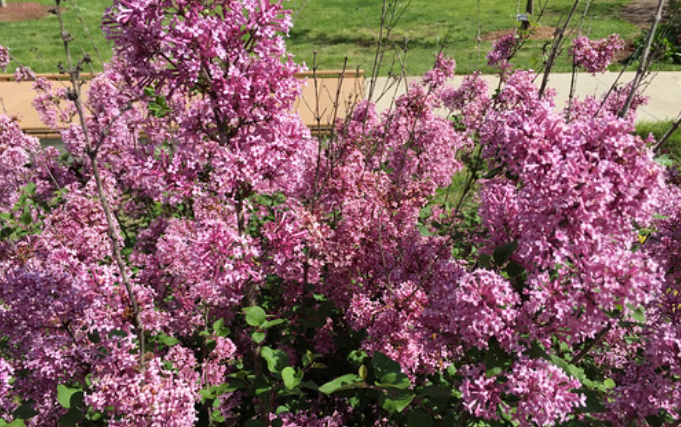
Lilac bushes are deciduous shrubs cherished for their fragrant flower clusters and classic springtime appeal. They typically grow as multi-stemmed plants with an upright, spreading habit, producing dense foliage that creates a full, leafy presence in the landscape. Their blossoms form in cone-shaped clusters that add both texture and charm to gardens.
One of their most notable features is their rich, sweet fragrance, which can fill the air during their blooming season. The flowers come in a range of soft and vibrant shades, and they are often associated with seasonal change and renewal. Their blooms also attract pollinators, making them a lively addition to outdoor spaces.
These shrubs generally thrive in well-drained soil and prefer full sunlight for the best flowering performance. They are relatively hardy and can tolerate cold winters, which helps them produce abundant blooms in the following season. Proper pruning after flowering helps maintain their shape and encourages healthy growth.
Reblooming lilac bushes offer the added advantage of producing flowers more than once during the growing season. After the initial flush of blooms, they can generate additional flowers later in the year, providing extended fragrance and color. This repeat blooming makes them especially desirable for continuous garden interest.
In general, reblooming types perform best with consistent care, including adequate sunlight, moderate watering, and occasional feeding. While their repeat flowering can vary depending on climate and growing conditions, they often provide multiple waves of blossoms, allowing gardeners to enjoy their signature scent and beauty over a longer period.
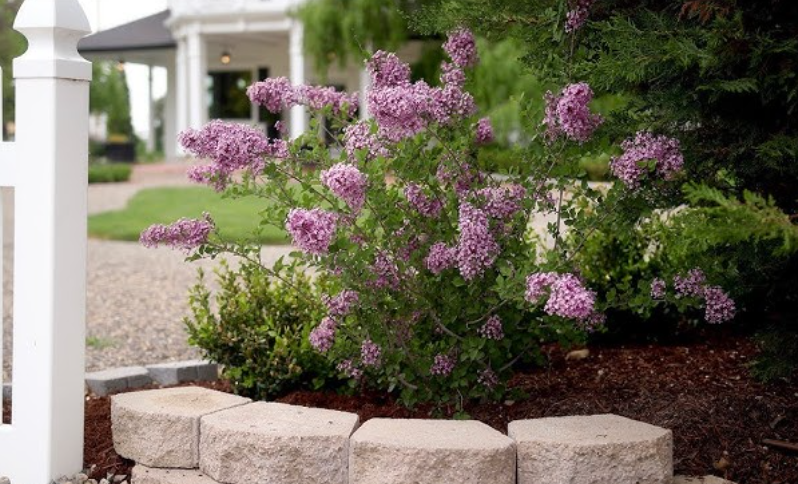
Types of Lilac Bushes
Bloomerang Dark Purple
This is perhaps the most popular reblooming lilac on the market today. It produces large, fragrant, dark purple clusters in late spring, takes a brief rest in early summer, and then begins blooming again in mid-summer, continuing until a hard frost. It is a vigorous grower with excellent disease resistance, particularly against powdery mildew, which often plagues traditional lilac varieties.
Bloomerang Pink Perfume
As part of the Bloomerang series, ‘Pink Perfume’ offers the same reliable reblooming habit but in a soft, elegant pink hue. The fragrance is exceptionally strong and sweet, living up to its name. This variety grows to a manageable 4-5 feet tall and wide, making it an ideal choice for a fragrant hedge or a focal point in a mixed perennial border.
Bloomerang Dwarf Purple
This variety is a compact version of the original Bloomerang, reaching only about 2.5 to 3 feet in height. Despite its smaller stature, it is a blooming powerhouse, producing the same deep purple flowers and signature fragrance. Its diminutive size makes it perfect for large patio containers or for gardeners with limited space who still want the luxury of a reblooming lilac.
Bloomerang Dwarf Pink
Similar to its purple counterpart, the Dwarf Pink Bloomerang offers a low-profile growth habit and beautiful rose-pink blooms. It is particularly noted for its tidy, mounded shape, which requires very little pruning to maintain. It is an excellent choice for planting under windows where the scent can be enjoyed inside the home without the bush obstructing the view.
Bloomerang Purpink
‘Purpink’ is a newer addition to the Bloomerang family, featuring a unique color that sits right between purple and pink. The flowers are highly prolific and the plant is noted for having an exceptionally fast “turnaround” time between its spring and summer bloom cycles. It maintains a dense, bushy form that provides good structure in the garden even when not in full bloom.
Bloomerang Purple (The Original)
The variety that started the reblooming lilac craze, the original ‘Penda’ cultivar (marketed as Bloomerang Purple), features classic lavender-purple flowers. While newer cultivars may have more specialized colors or sizes, the original remains a favorite for its reliability and its ability to produce a massive volume of flowers during its secondary bloom in the autumn.
Scent and Sensibility Pink
This variety is distinguished by its growth habit, which is wider than it is tall, reaching about 3 feet in height and up to 6 feet in width. It produces very fragrant, pink-lilac flowers. Because of its spreading nature, it functions beautifully as a flowering groundcover or a low-growing mass planting that provides multiple seasons of color and scent.
Josee
‘Josee’ is one of the earliest reblooming hybrids, predating the Bloomerang series. It features a delicate, fine-textured appearance with smaller leaves and clusters of lavender-pink flowers. While its rebloom might be slightly less “showy” than some of the modern Bloomerang types, it is highly valued for its gracefulness and its ability to thrive in a wide range of soil conditions.
Flowerfesta White
The Flowerfesta series is a group of dwarf reblooming lilacs from Europe that are prized for their incredibly dense flower clusters. The White variety offers pure, snowy-white blooms that create a stark, beautiful contrast against its dark green foliage. Like other rebloomers, it provides a massive spring display followed by sporadic but consistent blooming throughout the summer.
Flowerfesta Pink
The Pink version of the Flowerfesta series features a vibrant, candy-pink color. It is a compact shrub, typically staying under 4 feet, which makes it very easy to integrate into existing landscapes. It is noted for its “sweet” rather than “spicy” fragrance, appealing to those who prefer a more traditional lilac scent profile.
Flowerfesta Purple
Completing the Flowerfesta trio, the Purple variety offers deep violet blooms on a tidy, rounded shrub. It is exceptionally hardy and is often recommended for gardeners in northern climates who want a reblooming option that can withstand harsh winters. Its secondary blooms are often just as saturated in color as the primary spring flush.
Red Pixie
‘Red Pixie’ is a unique hybrid that is often classified as a rebloomer because it frequently produces a secondary flush of reddish-purple flowers in the late summer. It has a more upright, slightly weeping habit than the Bloomerang types and features very small, attractive leaves. The buds are a deep red, opening to a lighter pink-purple, providing a multi-toned effect.
Syringa microphylla ‘Superba’
Also known as the Littleleaf Lilac, ‘Superba’ is a time-tested variety known for its “everblooming” tendencies. While it has a massive spring display, it is famous for continuing to push out smaller clusters of rosy-pink flowers all the way into September. It can grow quite large, up to 7 feet, and has a more airy, open structure than the modern dwarf hybrids.
Syringa meyeri ‘Palibin’
While primarily known as a spring-blooming dwarf Korean lilac, ‘Palibin’ is often observed reblooming in late summer, particularly in regions with mild summers and consistent moisture. It features tiny, dark green leaves that are highly resistant to mildew and produces very fragrant, pale lavender flowers. It is one of the most reliable “incidental” rebloomers in the lilac world.
Scentsation
‘Scentsation’ is a newer cultivar that has been bred specifically for an extended bloom window. It produces very large, showy lavender flowers that have a remarkably long shelf life on the plant. While its rebloom is most pronounced in the late summer, it often keeps its spring flowers for several weeks longer than traditional varieties, bridging the gap between seasons.
Pink Parfait
‘Pink Parfait’ is a hybrid that produces double-flowered blooms, giving the clusters a much fuller, fluffier appearance than single-flowered varieties. It is noted for a reliable secondary bloom in Zone 5 and 6, where the summer temperatures aren’t too extreme. The double flowers also tend to hold their fragrance longer, even after the blooms have begun to age.