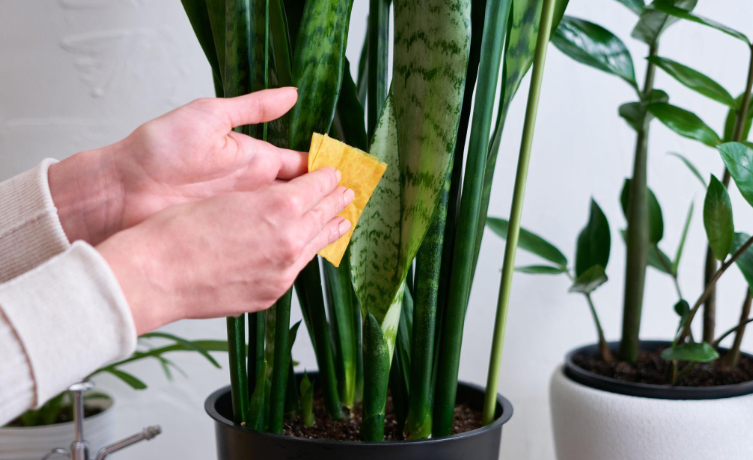
Snake plants are popular indoor plants known for their toughness and ability to adapt to a wide range of conditions. They grow well in containers and are often chosen for homes and offices because they require minimal attention. Their upright, structured leaves also make them a favorite for simple, modern décor.
When growing snake plants, one of the most important factors is light. They can survive in low-light spaces but tend to grow better in bright, indirect light. Even so, they are flexible and can adjust to different lighting environments without much trouble.
Watering is another key aspect of their care. Snake plants prefer to dry out between waterings, making them ideal for people who may forget to water regularly. Overwatering is a common mistake, as these plants are more tolerant of drought than excess moisture.
Soil and drainage play a big role in keeping the plant healthy. A well-draining growing medium helps prevent water from sitting around the roots. Pots with drainage holes are especially helpful in reducing the risk of moisture buildup.
Despite being easy to grow, snake plants can still face a few common issues. Overwatering, poor lighting, and temperature stress are the main challenges. Occasionally, pests or leaf damage may appear, but overall, these plants remain one of the most low-maintenance options for indoor gardening.
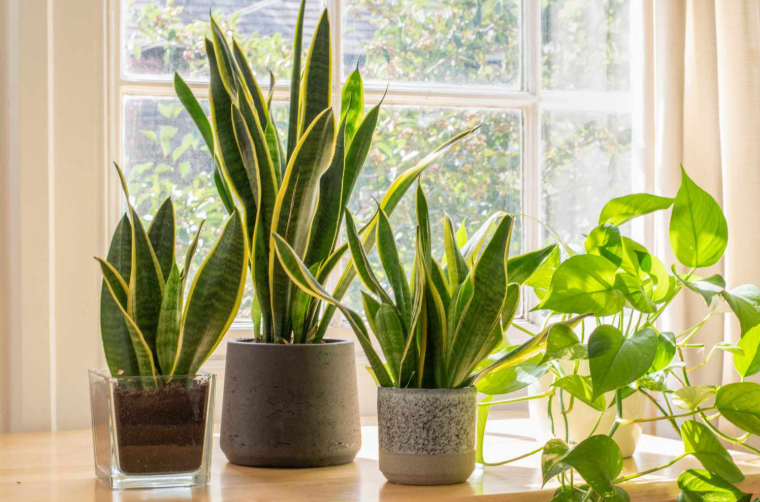
Overwatering and Root Rot
Overwatering is by far the most common and most damaging mistake made by snake plant owners, and it is responsible for the majority of snake plant deaths in homes and offices around the world. Snake plants (Dracaena trifasciata, formerly Sansevieria trifasciata) are succulents native to the arid regions of West Africa, and their thick, fleshy leaves and rhizomatous roots are specifically adapted to store water and survive prolonged drought. When watered too frequently, the roots sit in perpetually moist soil, oxygen is excluded from the root zone, and fungal pathogens rapidly colonise the weakened root tissue, causing it to turn brown, mushy, and malodorous — a condition known as root rot that can kill a plant surprisingly quickly if not addressed.
How to Fix It: Remove the plant from its pot immediately and shake away all the old, wet compost from the roots. Inspect the root system carefully, cutting away all soft, brown, or blackened roots with clean, sharp scissors or secateurs, leaving only firm, white, healthy roots intact. Dust the cut surfaces with powdered sulphur or activated charcoal to help prevent reinfection, then repot the plant in fresh, dry, very well-draining cactus and succulent compost in a clean pot with drainage holes. Allow the plant to settle for several days before watering lightly, and from this point forward water only when the soil has dried out completely — which in a typical home environment means roughly every two to six weeks depending on the season, pot size, and ambient temperature.
Underwatering and Dehydration
While overwatering is the more common problem, snake plants can also suffer from prolonged underwatering, particularly during warm summer months when the plant is in active growth and evaporation rates are high. Signs of dehydration include wrinkling or puckering of the leaf surfaces, curling or inward rolling of the leaves along their length, dry and crispy leaf tips and edges, and an overall dull, lacklustre appearance to the foliage. The soil in a severely underwatered plant will shrink away from the edges of the pot and may become hydrophobic — so compacted and dry that water runs straight through without being absorbed.
How to Fix It: Water the plant thoroughly, ensuring that water passes freely through the drainage holes and saturates the entire root ball. If the soil has become hydrophobic and is repelling water, place the pot in a basin of room-temperature water for thirty to sixty minutes, allowing the soil to rehydrate slowly through capillary action from the bottom upward. Once fully rehydrated, remove from the basin, allow to drain completely, and return to its normal position. Going forward, check the plant more frequently during warmer months and water when the top two-thirds of the soil are completely dry, ensuring the plant receives sufficient moisture to sustain healthy growth without tipping into the dangerous overwatered condition.
Yellow Leaves
Yellowing leaves on a snake plant are one of the most frequently reported problems and, frustratingly, one of the least specific symptoms, as yellowing can be caused by a wide range of different underlying issues including overwatering, underwatering, root rot, nutrient deficiency, cold damage, pests, and even natural ageing. The pattern and location of the yellowing can help narrow down the cause — overall, generalised yellowing of multiple leaves simultaneously most commonly points to overwatering or root problems, while yellowing of the lower, oldest leaves only is more likely to be a natural part of the plant’s ageing process.
How to Fix It: Begin by reviewing the watering history and checking the roots for signs of rot, as overwatering remains the most likely culprit. If the roots are healthy, check the plant’s position — is it receiving adequate light? Is it near a cold draught or air conditioning vent? Is it in a pot that is too large, causing the soil to stay wet for too long? Address whichever of these factors appears most relevant. Remove yellow leaves cleanly at the base with sterile scissors to improve the plant’s appearance and redirect energy toward healthy growth. If root rot is confirmed, follow the repotting procedure described in the section above.
Brown Leaf Tips
Brown, dry, crispy tips on snake plant leaves are an extremely common cosmetic complaint that rarely indicates a serious underlying health problem but can gradually diminish the plant’s appearance if left to progress. The most frequent causes are low humidity, inconsistent watering, fluoride or salt accumulation in the soil from tap water or fertiliser build-up, physical damage, or cold draughts. In most cases, the damage is purely superficial and the plant continues to grow and thrive despite the unsightly tips.
How to Fix It: Trim the brown tips with clean, sharp scissors, following the natural pointed shape of the leaf as closely as possible to maintain a natural appearance rather than creating a blunt, obviously cut edge. To address the underlying cause, switch to filtered, rainwater, or distilled water if tap water is highly chlorinated or fluoridated, flush the soil thoroughly every few months to remove accumulated salts by watering very heavily and allowing the excess to drain completely, move the plant away from cold windows and draughts, and consider increasing the ambient humidity slightly by grouping plants together or placing the pot on a tray of damp pebbles. Avoid misting the leaves directly, as this can encourage fungal problems.
Brown, Soft, or Mushy Leaves
When snake plant leaves become soft, mushy, brown, and water-soaked in appearance rather than dry and crispy, this is a more serious symptom than dry brown tips and almost always indicates either root rot caused by overwatering or physical damage caused by frost or freezing temperatures. The affected leaves may feel almost liquid when squeezed and may collapse at the base, sometimes releasing a foul odour that confirms the presence of bacterial or fungal rot. If the condition is caught early and only a few leaves are affected, the plant can usually be saved.
How to Fix It: Remove all affected leaves immediately by cutting them cleanly at the base or pulling them away from the rhizome. Inspect the root system and the base of the rhizome for signs of rot and treat as described in the overwatering section if rot is present. Repot into fresh, dry, well-draining compost, ensure the pot has adequate drainage holes, and reduce watering frequency significantly going forward. If cold damage is the cause, move the plant immediately to a warmer position above 10°C and avoid watering until the plant shows signs of recovery, as cold-damaged roots are particularly vulnerable to rot in moist conditions.
Wrinkled or Curling Leaves
Wrinkling and curling of the thick, fleshy leaves is a visual distress signal that indicates the plant’s cells are losing turgor pressure due to insufficient water availability — either because the plant has not been watered frequently enough, because the roots are too damaged by rot to absorb water effectively even when it is present, or occasionally because extremely low humidity is causing excessive moisture loss through the leaf surfaces. The leaves may curl inward along their length or develop a slightly puckered, corrugated texture that is quite different from their normally smooth, firm surface.
How to Fix It: First check the moisture level of the soil — if it is bone dry, water thoroughly and the leaves should recover their firm, upright posture within a day or two as the cells rehydrate. If the soil is already moist but the leaves are still wrinkling, the problem is almost certainly root damage preventing water uptake, in which case root inspection and likely repotting is necessary. In either case, avoid the temptation to water heavily and frequently in an attempt to speed recovery, as this can rapidly transform a dehydration problem into a far more serious root rot situation. Patience and careful observation are the best tools in diagnosing and resolving this issue.
Drooping or Falling Over Leaves
Healthy snake plant leaves stand upright and firm with a characteristic stiff, architectural quality that makes the plant such a popular choice for interior design. When the leaves begin to droop, lean outward, or lose their upright posture, it is a sign that something is wrong — the most common causes being overwatering and root rot (which destroys the plant’s ability to maintain cellular rigidity), a pot that is too large relative to the root system, physical damage, or occasionally a plant that has simply become top-heavy with age and requires support or repotting into a more stable, wider-based container.
How to Fix It: Assess the root health by carefully removing the plant from its pot. If root rot is evident, treat accordingly and repot. If the roots appear healthy but the pot is very large and the compost persistently moist, move into a smaller, better-fitting container with faster-draining compost. For a healthy, well-established plant that has simply become top-heavy, repotting into a heavier, more stable terracotta pot or a slightly wider container can solve the problem mechanically. Avoid tying up drooping leaves with string or stakes as a long-term solution, as this addresses the symptom rather than the underlying cause.
Leggy, Pale, or Etiolated Growth
When a snake plant receives insufficient light, it responds by producing new growth that is pale, washed-out in colour, noticeably narrower than normal, and oriented strongly toward whatever light source is available — a phenomenon known as etiolation. Affected leaves lack the rich, deep green colouring and distinctive yellow or silver banding or variegation that makes snake plants so ornamentally appealing, and the overall plant takes on a weak, stretched, attenuated appearance quite unlike the bold, compact form of a well-grown specimen.
How to Fix It: Move the plant to a brighter position with more natural light, ideally within one to two metres of a window that receives good indirect light or a few hours of gentle direct morning sun. Avoid moving a light-starved plant directly into intense, bright sunlight, as the leaves that have adapted to low-light conditions can scorch easily — increase light levels gradually over two to three weeks to allow the plant to adjust. The existing pale, leggy leaves will not improve once formed, but new growth produced in better light conditions will be noticeably stronger, richer in colour, and more upright, gradually restoring the plant’s attractive character.
Sunburn and Bleached Leaves
Contrary to popular belief, snake plants — despite their drought tolerance — do not thrive in intense, direct sunlight for prolonged periods, particularly when they have been previously grown in lower-light conditions. Exposure to harsh, direct midday or afternoon sun causes bleaching, fading, and the development of pale, straw-coloured or white patches on the leaf surfaces where the chlorophyll has been destroyed by UV radiation. In severe cases, the damaged areas may turn papery and brown, creating permanent, unsightly marks on the leaves that cannot be reversed.
How to Fix It: Move the plant out of direct, intense sunlight immediately and into a position with bright but indirect light, such as a few metres back from a south or west-facing window or beside a window that receives only gentle morning sun. The bleached and scorched patches on existing leaves are permanent and cannot be healed, but the plant will produce healthy new growth in its improved position, and the damaged leaves can eventually be removed once sufficient new growth has developed to maintain the plant’s overall appearance. Introduce any significant increase in light levels gradually to prevent further scorching during the adjustment period.
Cold Damage and Frost Injury
Snake plants are tropical plants that are highly sensitive to cold temperatures and should never be exposed to temperatures below 10°C for extended periods, and certainly never to frost. Cold damage can occur in several ways — placing the plant on a cold windowsill in winter where the glass temperature drops dramatically at night, setting it near an exterior door that admits cold air, leaving it outdoors too late into autumn, or placing it in an air-conditioned room where the temperature fluctuates widely. Symptoms of cold damage include soft, water-soaked patches on the leaves, sudden collapse of leaf tissue, brown scarring, and in severe cases the complete mushing and blackening of entire leaves.
How to Fix It: Move the plant immediately to a warmer position where the temperature remains consistently above 15°C, away from cold windows, draughts, and air conditioning vents. Remove any visibly damaged leaves at the base using clean, sterile tools. Withhold watering for at least a week after moving to warmer conditions to avoid exacerbating root stress in what are likely to be already compromised roots. The plant will recover slowly if the damage is not too extensive, producing new growth from the rhizome over the following weeks and months. Prevention is always far preferable to treatment — bring outdoor plants inside well before the first autumn chill and keep indoor plants away from cold windows in winter.
Spider Mite Infestation
Spider mites are tiny, spider-like arachnids that are among the most troublesome of all houseplant pests, thriving in the warm, dry indoor conditions that are also favoured by snake plants. They feed by piercing the leaf cells and sucking out the contents, causing characteristic fine, pale stippling or speckling on the leaf surfaces that gives affected foliage a dusty, silvery, or bronzed appearance. In heavier infestations, fine webbing becomes visible between leaves and in the growing points, and severely affected leaves may turn yellow and die. Spider mites reproduce extremely rapidly and a small infestation can become a serious problem within a matter of weeks if not addressed promptly.
How to Fix It: Isolate the affected plant immediately to prevent the mites from spreading to neighbouring plants. Wipe all leaf surfaces thoroughly with a damp cloth or cotton pad soaked in a solution of water and a few drops of neem oil or insecticidal soap, paying particular attention to the undersides of leaves where mites preferentially congregate. For heavier infestations, spray the entire plant thoroughly with a neem oil solution or a commercial miticide, repeating every five to seven days for three to four applications to break the reproductive cycle and catch newly hatched mites before they mature. Increasing the humidity around the plant is a helpful preventive measure, as spider mites particularly dislike humid conditions.
Mealybug Infestation
Mealybugs are soft-bodied, sap-sucking insects that appear as small, white, cottony or waxy tufts of fluff nestled in the crevices between leaves, along the leaf margins, and at the base of the plant near the soil level. They weaken the plant by extracting sap, secreting a sticky honeydew substance that can promote the development of sooty mould, and in severe infestations can cause significant yellowing, stunted growth, and general decline. They are particularly insidious because they often colonise the roots below soil level as well as the visible leaf surfaces, making them difficult to eradicate completely without a thorough and systematic treatment approach.
How to Fix It: Remove individual mealybugs and their cottony egg masses by dabbing them directly with a cotton swab soaked in rubbing alcohol, which kills them on contact. For a more widespread infestation, spray the entire plant with a solution of neem oil and water, or apply an insecticidal soap spray, ensuring thorough coverage of all leaf surfaces and crevices. Check the roots when next repotting, as root mealybugs require a soil drench with an appropriate systemic insecticide to be effectively controlled. Repeat treatments every seven to ten days for at least a month, as mealybug eggs are often resistant to initial treatments and newly hatched crawlers will require subsequent applications to be eliminated.
Scale Insect Infestation
Scale insects are small, immobile, sap-sucking pests that attach themselves firmly to the leaf surfaces and stems of snake plants, where they appear as small, round or oval, brown, tan, or yellowish bumps that can easily be mistaken for a natural part of the plant’s texture. Beneath their hard or waxy protective shells, the insects feed continuously on the plant’s sap, causing yellowing, stunted growth, and the production of sticky honeydew that attracts ants and promotes the growth of black sooty mould on the leaf surfaces. Scale insects are particularly challenging to control because their protective covering makes them resistant to most contact insecticides.
How to Fix It: The most effective initial treatment is manual removal — use a soft toothbrush, cotton swab, or your fingernail to physically scrape the scale insects off the leaf surfaces, then wipe the affected areas thoroughly with a cloth dampened with rubbing alcohol to kill any remaining insects and their crawlers. Follow up with applications of neem oil spray or horticultural oil every seven to ten days for several weeks, as the oil suffocates the insects by blocking their breathing pores and is one of the few treatments that can penetrate the protective scale covering. In severe infestations, a systemic insecticide applied as a soil drench may be necessary to achieve complete control.
Fungal Leaf Spots
Fungal leaf spots appear as circular or irregular brown, tan, or red-brown lesions on the leaf surfaces, often with a darker or water-soaked margin and sometimes with a yellow halo surrounding the affected area. They are caused by various fungal pathogens that colonise leaf tissue, typically entering through wounds, damaged tissue, or via water splash from contaminated soil. Fungal leaf spots are most commonly associated with overwatering, poor air circulation, overly humid conditions, and the habit of misting the leaves — a practice that is entirely unnecessary for snake plants and actively counterproductive.
How to Fix It: Remove severely affected leaves at the base and dispose of them in the household waste rather than the compost to prevent the spread of spores. Improve air circulation around the plant, reduce ambient humidity, and stop any misting or overhead watering immediately. Allow the soil to dry out more thoroughly between waterings, and avoid getting water on the leaves when watering. In persistent or severe cases, a copper-based fungicide spray applied to the leaf surfaces according to the manufacturer’s instructions can help prevent the spread of existing infections and protect healthy tissue. Going forward, always water at soil level rather than from above and ensure the plant is in a well-ventilated position.
Stunted Growth and Failure to Thrive
A snake plant that produces little or no new growth over an extended period, remains noticeably smaller than expected, and generally appears dull and unthrifty rather than vigorous and healthy may be suffering from one or more of a range of underlying problems including being severely root-bound in too small a pot, nutrient deficiency after years in exhausted compost, consistently low light levels, cold temperatures, or a combination of several of these factors working together to suppress the plant’s natural growth impulse. Snake plants are slow growers by nature, but a complete absence of growth over a full growing season warrants investigation.
How to Fix It: Begin by checking whether the plant is root-bound — if roots are visibly circling the base of the pot or emerging from the drainage holes in large numbers, repotting into a container one size larger with fresh, nutrient-rich cactus compost will provide an immediate and often dramatic improvement. If the pot size seems appropriate, review the plant’s light levels, temperature, and watering regime and address any deficiencies identified. A light application of a dilute, balanced liquid fertiliser once a month during spring and summer can provide a useful nutritional boost to plants that have been in the same compost for several years, though avoid feeding in autumn and winter when the plant is largely dormant and cannot make use of the nutrients provided.
Loss of Variegation
Many of the most popular snake plant cultivars, including the widely grown Dracaena trifasciata ‘Laurentii’ with its distinctive golden-yellow leaf margins, are prized specifically for their attractive variegated foliage. When new leaves emerge entirely green without the expected variegation, or when the variegation pattern becomes significantly less pronounced and defined than it was previously, this is known as reversion — the plant is reverting toward the plain green form of the species. The most common trigger for reversion in variegated snake plants is insufficient light, which causes the plant to increase its chlorophyll production to maximise photosynthesis, progressively overwhelming the non-green pigments that create the variegated pattern.
How to Fix It: Move the plant to a significantly brighter position with more natural light — a spot within one to two metres of a well-lit window is ideal — and the new growth produced in improved light conditions should display more clearly defined variegation. It is important to understand that existing reverted leaves will not regain their variegation once it has been lost, but improving growing conditions will ensure that subsequent new leaves develop correctly. If reverted, all-green shoots are emerging from the base of the plant, remove them promptly as they are genetically more vigorous than the variegated portions and will eventually dominate and crowd out the more desirable variegated growth if left to develop unchecked.