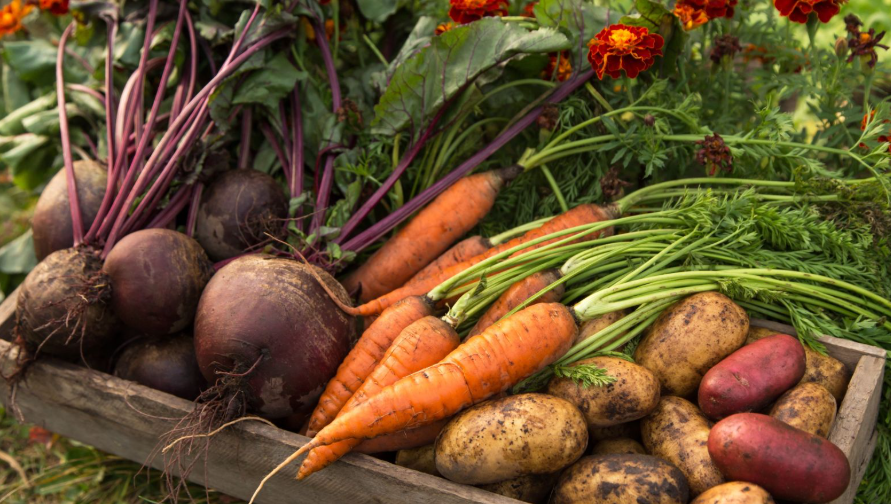
Root vegetables are among the oldest cultivated foods on earth, forming the dietary backbone of civilisations long before modern agriculture took shape. Grown beneath the soil, they develop slowly and steadily, drawing nutrients and moisture from the ground around them. This underground growth is precisely what gives them their characteristic density, deep flavour, and impressive nutritional richness.
In the kitchen, they are extraordinarily adaptable. They can be roasted until their natural sugars caramelise into something almost jammy, boiled and mashed into comforting, silky purées, eaten raw for crunch and freshness, pickled for sharpness, or slow-cooked in stews where they absorb surrounding flavours while holding their shape. Few other food groups offer such a wide range of textures and cooking possibilities.
Root vegetables tend to be dense sources of complex carbohydrates, dietary fibre, vitamins, and minerals. Because they store energy for the plant, they become natural reservoirs of nutrition for those who eat them, making them particularly valuable in diets that rely on whole, unprocessed foods. Many also contain antioxidants and anti-inflammatory compounds that have drawn significant scientific interest.
Across every continent, root vegetables have fed populations through harsh winters, long sea voyages, famines, and wars. They store well without refrigeration, grow in difficult soils, and yield generously even in modest conditions. That combination of resilience, versatility, and nourishment is why they remain, quietly and dependably, at the heart of so many of the world’s great cuisines.
List of Root Vegetables & Their Culinary Application
Carrots
Carrots are among the most versatile root vegetables, used raw in salads and slaws, roasted for caramelized sweetness, or pureed into soups and sauces. These orange, purple, yellow, or white taproots provide natural sweetness that intensifies when roasted or slow-cooked, and they’re essential in mirepoix, stocks, and countless international cuisines.
Carrots can be juiced for beverages, pickled for preservation, shredded for baking into cakes and muffins, and their natural sugars make them excellent for glazing. The vegetable’s versatility spans from simple raw snacks with dip to sophisticated French preparations like Vichy carrots glazed with butter and sugar.
Potatoes
Potatoes are the world’s most important root vegetable culinarily, with preparation methods including boiling, mashing, roasting, frying, baking, and countless other techniques. These starchy tubers vary from waxy varieties ideal for potato salad to russets perfect for baking and frying, with each type suited to specific preparations.
Potatoes can be transformed into French fries, mashed potatoes, hash browns, potato chips, gnocchi, latkes, and thousands of other dishes spanning global cuisines. The vegetable’s neutral flavor and starchy texture make it endlessly adaptable, absorbing flavors while providing satisfying substance to meals from breakfast through dinner.
Sweet Potatoes
Sweet potatoes provide natural sweetness and creamy texture when roasted, mashed, or baked, working equally well in savory and sweet preparations. These orange-fleshed tubers can be roasted whole until caramelized, mashed with butter and cream, or sliced and fried into chips or fries.
Sweet potatoes work in pies and desserts, can be spiralized into noodles, pureed into soups, or stuffed and baked as complete meals. The vegetable’s natural sugars caramelize beautifully when roasted, and its vibrant color and nutritional density make it popular in health-conscious cooking.
Beets
Beets offer earthy-sweet flavor with stunning color ranging from deep red to golden to candy-striped, used roasted, pickled, raw, or juiced. These roots can be roasted until tender and caramelized, boiled and pickled for classic pickled beets, grated raw into salads, or juiced for beverages.
Beets work in soups like borscht, can be pureed into hummus or dips, roasted and turned into chips, or spiralized into colorful noodles. The vegetable’s natural sugars intensify when roasted, and both the roots and greens are edible, with beet greens prepared like chard or spinach.
Turnips
Turnips provide peppery flavor when raw that mellows to sweet and earthy when cooked, used roasted, mashed, or added to soups and stews. These white and purple roots can be roasted alongside other root vegetables, mashed alone or mixed with potatoes, or diced into soups and braises.
Young turnips can be eaten raw in salads, while mature turnips are best cooked until tender and sweet. The vegetable’s greens are highly nutritious and prepared like other hearty greens, and turnips work well in gratins, purees, and traditional preparations like French navets glacés.
Parsnips
Parsnips offer sweet, nutty flavor intensifying when roasted or caramelized, used in soups, purees, and roasted vegetable medleys. These cream-colored roots develop exceptional sweetness when exposed to cold temperatures, making fall and winter harvests particularly flavorful.
Parsnips can be roasted until caramelized, pureed into smooth soups, mashed like potatoes, or cut into fries and roasted or fried. The vegetable works beautifully in gratins, can be spiralized into ribbons, and adds natural sweetness to stocks and broths without overpowering other flavors.
Also Read: List of All Vegetables In The World
Radishes
Radishes provide crisp texture and peppery bite when raw, used in salads, as garnishes, or roasted to develop mild, sweet flavor. These colorful roots range from small red globe radishes to large daikon and watermelon radishes, each with distinct culinary applications.
Radishes can be sliced thin for salads, pickled for preservation, roasted until sweet and tender, or used as edible garnishes. The vegetable works in Asian preparations including kimchi and pickles, can be braised until tender, and provides refreshing crunch and bite to countless raw preparations.
Rutabaga
Rutabaga offers sweet, earthy flavor when cooked, used mashed, roasted, or added to soups and stews for hearty winter meals. This large yellow-fleshed root becomes tender and sweet when boiled or roasted, working well mashed alone or combined with potatoes and carrots.
Rutabaga can be diced into soups and stews where it adds substance and sweetness, roasted until caramelized, or incorporated into gratins and casseroles. The vegetable stores exceptionally well, making it valuable for winter cooking, and its sweet flavor complements rich meats and hearty preparations.
Celeriac (Celery Root)
Celeriac provides concentrated celery flavor with nutty undertones, used in purees, gratins, remoulade, and soups for sophisticated preparations. This knobby root can be pureed into velvety smooth puree rivaling mashed potatoes, julienned and dressed for classic French celeriac remoulade, or roasted until tender.
Celeriac works in soups providing deep celery flavor, can be incorporated into gratins, or used raw in salads when shredded or julienned. The vegetable’s intense flavor means a little goes a long way, and it elevates simple preparations with its distinctive taste and creamy texture when cooked.
Also Read: Types of Fast Growing Vegetables
Jerusalem Artichoke (Sunchoke)
Jerusalem artichoke offers sweet, nutty flavor with artichoke-like taste, used roasted, pureed into soups, or eaten raw in salads. These knobby tubers can be roasted until crispy outside and creamy inside, pureed into smooth velvety soups, or sliced raw into salads for crunchy texture.
Jerusalem artichokes work in gratins, can be pickled, or sautéed as side dishes, though they should be introduced gradually as they contain inulin causing digestive issues for some people. The vegetable’s sweet flavor and unique texture make it popular in contemporary cuisine despite its unwieldy appearance.
Onion
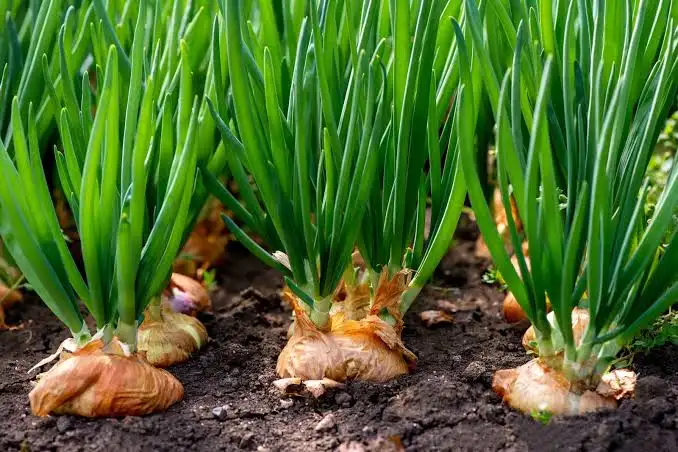
The onion, also known as the bulb onion or common onion, is a vegetable that is the most widely cultivated species of the genus Allium. The onion plant has a fan of hollow, bluish-green leaves and its bulb at the base of the plant begins to swell when a certain day-length is reached.
The bulbs are composed of shortened, compressed, underground stems surrounded by fleshy modified scale (leaves) that envelop a central bud at the tip of the stem. In the autumn (or in spring, in the case of overwintering onions), the foliage dies down and the outer layers of the bulb become more dry and brittle. The crop is harvested and dried and the onions are ready for use or storage.
Onions are essential culinary staples used globally to add depth and flavour, ranging from sharp raw applications to sweet, caramelized preparations. They function as aromatics in soups, stews, and sauces, or as main components in dishes like French onion soup. Common methods include sweating, sautéing, roasting, and pickling.
Ginger
Ginger provides pungent, spicy, warming flavor essential in Asian cuisines, used fresh, pickled, candied, or dried and ground. This rhizome can be grated and added to stir-fries, minced into marinades and dressings, steeped in tea, or candied for confections.
Ginger works in both savory and sweet preparations including curries, soups, baked goods, beverages, and countless Asian dishes. The root can be pickled for sushi accompaniment, juiced for beverages, or used to make ginger beer and ginger ale, with fresh ginger providing superior flavor to dried ground ginger.
Turmeric
Turmeric offers earthy, slightly bitter flavor with brilliant golden color, used fresh or dried in curries, rice dishes, and golden milk beverages. This rhizome provides the characteristic yellow color in curry powder and mustard, and fresh turmeric can be grated into dishes or juiced for beverages.
Turmeric works in Indian, Southeast Asian, and Middle Eastern cuisines, can be pickled, or incorporated into smoothies and health tonics. The root stains everything it touches bright yellow, and its earthy flavor and anti-inflammatory properties make it popular in both culinary and wellness applications.
Horseradish
Horseradish provides intense, sinus-clearing heat when grated fresh, used in sauces, condiments, and as accompaniment to beef and seafood. This pungent root must be grated or processed immediately before serving as the volatile compounds dissipate quickly when exposed to air.
Horseradish works in cocktail sauce for shrimp, accompanies prime rib and roast beef, flavors Bloody Mary cocktails, and can be mixed with cream or beets for condiments. The root loses potency when cooked, so it’s primarily used raw or in preparations where heat isn’t applied after grating.
Also Read: Different Types of Cabbages
Beets
Garden beets are a cool-season, root vegetable with a richly colored root that can be cooked or pickled; the greens can be sauteed or used in salads. Although the leaves, called beet greens, are edible and a good source of vitamins, calcium and iron, beets are usually grown to use as a root vegetable. When grown in the right climate, beets can be started from seed repeatedly over many weeks to give a longer harvest season.
The rounded red roots range in flavor from mildly sweet to spicy and hot, depending on the variety. Popular applications include pairing with cheeses (goat, feta) and nuts in salads, blending into creamy dips like hummus, creating bright soups, and even incorporating into sweet, gooey brownies.
Daikon Radish
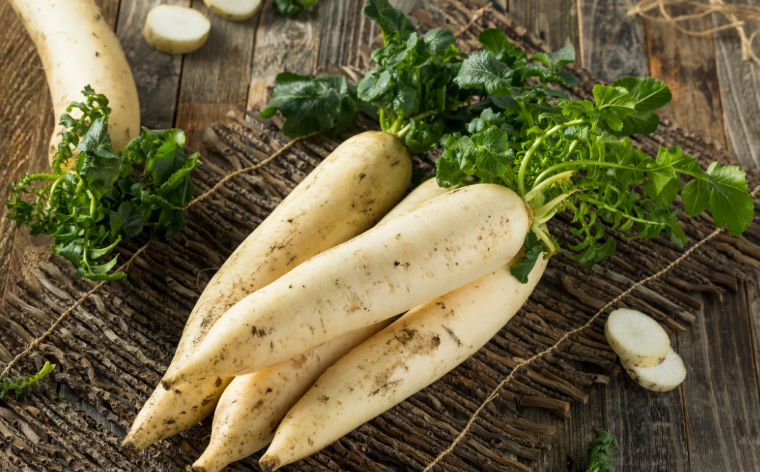
Daikon radish offers mild, slightly sweet flavor with crisp texture, used raw in salads, pickled, braised, or grated as garnish. This large white Asian radish can be julienned for salads, pickled for Korean and Japanese preparations, slow-cooked in stews and braises until tender, or grated fresh as condiment.
Daikon works in kimchi and takuan pickles, can be simmered in dashi until sweet and tender, or used as palate cleanser when grated fresh. The vegetable’s mild flavor and ability to absorb seasonings make it versatile across Asian cuisines.
Shallot
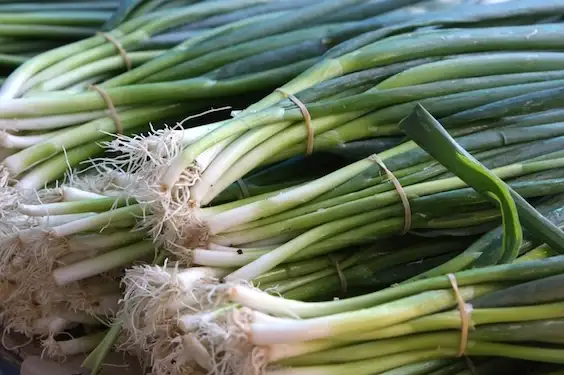
Shallots are one of the cool-season or winter crops that are very easy to cultivate. They are in the same family as onions but produce smaller bulbs and are often enjoyed as green onions. The plants can flower and produce seeds, but seeds aren’t always viable, and it is easy to save shallot bulbs for planting your next crop.
Shallot plants grow best in weed-free sites, with full sun exposure or partial shade and well-drained, organically rich soil that retains even moisture. Shallot plants reach a height of up to 2 feet and a spread of 1 foot. Clusters of shallots form around the original bulb at maturity, with each bulb averaging between 1 and 4 inches in diameter.
Shallots are versatile, mild-flavored, and aromatic, often used for their delicate onion-garlic flavor in delicate sauces, raw in salads, or caramelized/fried for a sweet, crunchy finish. Key applications include French butter sauces, vinaigrettes, 4 confit, 5 quick-pickling for tacos, and as a staple flavor base in Southeast Asian curries and stir-fries.
Jicama
Jicama provides crisp, juicy texture with mild, slightly sweet flavor similar to water chestnut, used raw in salads, slaws, and as refreshing snack. This Central American root vegetable maintains its crunch even when cut and dressed, making it excellent in slaws, salads, and fresh preparations.
Jicama can be julienned for spring rolls, diced into salsas, cut into sticks for crudités, or used in stir-fries where it retains pleasant crunch. The vegetable’s neutral flavor and exceptional crispness make it refreshing addition to countless raw preparations, though the skin must be removed before eating.
Galangal
Galangal offers pungent, citrusy, piney flavor similar to ginger but more intense and complex, essential in Thai and Southeast Asian cuisines. This rhizome is tougher and more fibrous than ginger, typically sliced or bruised and added to soups and curries for flavoring rather than eating.
Galangal works in tom yum soup, Thai curries, and Indonesian rendang, providing distinctive flavor that cannot be replicated by ginger. The root should be removed before serving or sliced extremely thin if intended for consumption due to its tough, fibrous texture.
Cassava (Yuca)
Cassava provides starchy, slightly sweet flavor and dense texture, used boiled, fried, or processed into flour and tapioca. This tropical root vegetable must be cooked thoroughly to remove toxic compounds, then can be boiled and mashed, fried into crispy yuca fries, or baked.
Cassava works in Caribbean and Latin American cuisines, can be processed into cassava flour for gluten-free baking, or made into tapioca pearls for puddings and bubble tea. The vegetable provides important staple starch in tropical regions and requires proper preparation to ensure safety.
Also Read: Different Types of Diseases That Affect Vegetables
Taro
Taro offers slightly sweet, nutty flavor with starchy texture similar to potato, used boiled, steamed, fried, or mashed in diverse cuisines. This tropical root vegetable can be boiled and mashed like potatoes, sliced and fried into chips, steamed in dim sum preparations, or used in Hawaiian poi.
Taro works in both savory preparations like curries and stews and sweet applications like Filipino halo-halo and Taiwanese taro desserts. The root must be cooked thoroughly as raw taro contains compounds that irritate the throat, and it provides purple color in many traditional preparations.
Lotus Root
Lotus root provides crisp texture with mild, slightly sweet flavor and distinctive perforated appearance when sliced crosswise. This Asian vegetable can be sliced and stir-fried, braised until tender, pickled, or used in soups where its unusual appearance creates visual interest.
Lotus root works in Japanese, Chinese, and Korean cuisines, can be stuffed, candied for desserts, or deep-fried into crispy chips. The vegetable’s unique appearance with multiple holes makes sliced lotus root immediately recognizable and decorative in various preparations.
Malanga
Malanga offers nutty, earthy flavor with starchy texture, used boiled, mashed, fried, or in soups and stews in Caribbean and Latin American cuisines. This tropical root vegetable can be boiled and mashed, fried into crispy fritters, added to soups for thickening, or processed into flour.
Malanga works in Caribbean sofrito and sancocho, can replace potatoes in many preparations, and provides important dietary staple in tropical regions. The vegetable comes in white and yellow varieties with slightly different flavors and culinary applications.
Also Read: Different Types of Pineapples
Tumeric
Turmeric is a member of the ginger plant family, and grows as a perennial herb in most areas. Turmeric plants reach about 1 metre (3.3 feet) in height and bear long simple leaves with long petioles (leaf stems). The leaves emerge from the branching rhizomes that lie just below the soil surface. Older rhizomes are somewhat scaly and brown in colour, while young rhizomes are pale yellow to brown-orange. The small yellow-orange flowers are borne in the axils of waxy bracts that are usually pale green or tinged with purple.
The rhizomes are used fresh or boiled in water and dried, after which they are ground into a deep orange-yellow powder commonly used as a coloring and flavoring agent in many Asian cuisines, especially for curries, as well as for dyeing, characteristics imparted by the principal turmeric constituent, curcumin.
Burdock Root
Burdock root comes from burdock, a genus of weeds that are related to sunflowers and part of the daisy family. Burdock occurs in undisturbed sites where the plant forms a rosette the first year and a flowering spike the second. The roots and young leaves and shoots are edible. The plant is easy to grow and can produce roots up to 2 feet long in 100 days or less.
Burdock root provides earthy, sweet flavor with slightly crunchy texture, used in Japanese, Korean, and macrobiotic cuisines. This long slender root can be julienned and stir-fried, braised until tender, pickled, or added to soups and stews.
Burdock works in Japanese kinpira gobo (stir-fried burdock), Korean medicinal soups, and various Asian preparations valuing its earthy flavor and texture. The root oxidizes quickly when cut, requiring soaking in acidulated water, and is valued in traditional medicine as well as culinary applications.
Sweet potato
The sweet potato or sweetpotato is a dicotyledonous plant that belongs to the bindweed or morning glory family . Its large, starchy, sweet-tasting tuberous roots are used as a root vegetable. The young shoots and leaves are sometimes eaten as greens. The plant is a herbaceous perennial vine, bearing alternate heart-shaped or palmately lobed leaves and medium-sized sympetalous flowers. The stems are usually crawling on the ground and form adventitious roots at the nodes. The leaves are screwed along the stems.
The edible tuberous root is long and tapered, with a smooth skin whose color ranges between yellow, orange, red, brown, purple, and beige. Its flesh ranges from beige through white, red, pink, violet, yellow, orange, and purple. Sweet potato cultivars with white or pale yellow flesh are less sweet and moist than those with red, pink or orange flesh.
Water Chestnut
Water chestnut provides exceptional crunch with mild, slightly sweet flavor, used in Asian stir-fries, salads, and as textural element. This aquatic vegetable maintains its crisp texture even when cooked, making it valuable for adding crunch to stir-fries and other cooked preparations.
Water chestnuts work in spring rolls, can be candied for desserts, added to stuffings for textural contrast, or used in salads for refreshing crunch. Fresh water chestnuts taste dramatically better than canned, though they require peeling before use.
Kohlrabi
Kohlrabi, also called German turnip, is a biennial vegetable, a low, stout cultivar of wild cabbage. It is another cultivar of the same species as cabbage, broccoli, cauliflower, kale, Brussels sprouts, collard greens, Savoy cabbage, and gai lan. It can be eaten raw or cooked. The taste and texture of kohlrabi are similar to those of a broccoli stem or cabbage heart, but milder and sweeter, with a higher ratio of flesh to skin. The young stem in particular can be as crisp and juicy as an apple, although much less sweet.
This swollen stem vegetable (technically not a root but often grouped with them) can be peeled and eaten raw, julienned for slaws, roasted until caramelized, or steamed until tender. Kohlrabi works in salads when shredded or spiralized, can be added to stir-fries, or used in gratins and purees. The vegetable’s mild flavor and crisp texture make it versatile, and both the bulb and leaves are edible.
Black Radish
Black radish offers more intense, peppery flavor than common red radishes with crisp white flesh beneath black skin. This winter radish can be sliced raw into salads, grated and mixed with cream for traditional preparations, roasted until mild and sweet, or pickled.
Black radish works in Eastern European cuisines, can be used as digestive aid, or incorporated into raw preparations where its pungent bite adds interest. The vegetable’s intense flavor mellows when cooked, and the dramatic black exterior with white interior provides visual appeal.
Yam (True Yam)
True yams offer starchy, slightly sweet flavor and come in numerous varieties from white to purple-fleshed, used boiled, roasted, pounded, or fried. These large tropical tubers can be boiled and mashed, pounded into sticky fufu in African cuisines, roasted whole, or cut into pieces and fried.
Yams work in West African, Caribbean, and Pacific Island cuisines, can replace potatoes in most preparations, and provide important dietary staple in tropical regions. True yams differ from sweet potatoes often mislabeled as yams in North America and require thorough cooking.
Arrowroot
Arrowroot is primarily used as extracted starch for thickening rather than the root itself, providing clear, neutral thickening for sauces and puddings. This tropical tuber is processed to extract pure starch that thickens without cloudiness or strong flavor, making it ideal for delicate sauces and desserts.
Arrowroot works as cornstarch substitute, thickens at lower temperatures, and creates glossy, clear sauces without the chalky taste of some other starches. The vegetable itself is rarely used directly in cooking, with the extracted starch being the primary culinary product.
Bamboo Shoot
Bamboo shoots offer mild flavor with crunchy texture, used in Asian stir-fries, soups, curries, and pickled preparations. These young bamboo stems must be boiled to remove bitterness and toxic compounds before use, then can be sliced and stir-fried, added to soups, or pickled.
Bamboo shoots work in countless Asian dishes, can be braised until tender, or used in spring rolls and dim sum. Fresh bamboo shoots taste superior to canned though they require more preparation, and their mild flavor and pleasing crunch make them valuable textural element.
Parsley Root
Parsley root offers concentrated parsley flavor with sweet, earthy undertones, used in European soups, stews, and as aromatic vegetable. This white root resembling parsnip provides intense parsley flavor and can be used in mirepoix-style flavor bases, added to stocks, or roasted as vegetable.
Parsley root works in Jewish chicken soup, European vegetable soups, and roasted vegetable medleys where its distinctive flavor adds depth. The root is often overlooked in favor of parsley leaves but provides excellent flavor for soups and braises.
Scorzonera (Black Salsify)
Scorzonera offers delicate, slightly sweet flavor with oyster-like undertones, used peeled and boiled, roasted, or in gratins. This black-skinned root must be peeled carefully as it oxidizes quickly, then can be boiled until tender, roasted, or incorporated into gratins and purees.
Scorzonera works in classic French preparations, can be served in cream sauce, or treated like asparagus in various preparations. The vegetable’s delicate flavor and resemblance to oysters when cooked make it prized in European cuisines despite being labor-intensive to prepare.
Salsify
Salsify provides delicate flavor reminiscent of oysters when cooked, used peeled and boiled, in cream sauces, or roasted until tender. This white root resembles parsnip and must be peeled and cooked in acidulated water to prevent browning, then can be served in cream sauce or butter.
Salsify works in classic European preparations, can be breaded and fried, or incorporated into soups and gratins where its subtle flavor adds interest. The vegetable’s oyster-like flavor earned it the name “oyster plant” and makes it popular despite its tendency to oxidize quickly when cut.
Tiger Nut
Tiger nut offers sweet, nutty flavor despite being a tuber rather than true nut, used in Spanish horchata, eaten as snack, or ground into flour. These small tubers can be soaked and blended into horchata de chufa, eaten dried as crunchy snack, or processed into gluten-free flour.
Tiger nuts work in paleo and grain-free baking, can be made into non-dairy milk, or eaten raw after soaking to soften. The vegetable’s sweet flavor and nutritional density make it popular in health food markets despite its small size and labor-intensive harvest.
Oca
Oca offers lemony, slightly tart flavor when fresh that becomes sweeter after sun exposure, used boiled, roasted, or eaten raw. This Andean tuber comes in various colors and can be boiled like potatoes, roasted until caramelized, or eaten raw in salads.
Oca works in South American cuisines, can be pickled, or used in soups and stews where its unique flavor adds interest. The vegetable’s tart flavor mellows with cooking and sun exposure, and it provides colorful alternative to potatoes in various preparations.
Ulluco
Ulluco provides mild, slightly mucilaginous texture with subtle flavor, used in Andean soups, stews, and as potato substitute. This colorful Andean tuber can be boiled, added to soups where it provides slight thickening, or roasted until tender.
Ulluco works in traditional Andean preparations, can be pickled, or used in salads when sliced thin. The vegetable’s slight sliminess when cooked makes it useful for thickening soups, and its colorful skin provides visual appeal in various preparations.
Arracacha
Arracacha offers flavor combining celery, parsley, and carrot with starchy texture, used boiled, fried, or in soups in South American cuisines. This Andean root vegetable can be boiled and mashed, fried into chips or fritters, or added to soups and stews.
Arracacha works in Colombian ajiaco and other traditional preparations, can replace potatoes in various dishes, and provides important staple in Andean regions. The vegetable’s unique flavor profile and starchy texture make it distinctive despite limited availability outside South America.
Mashua
Mashua offers peppery, pungent flavor similar to nasturtium with tuber that becomes milder when cooked, used in Andean cuisines. This colorful Andean tuber can be boiled to reduce pungency, roasted, or added to stews where extended cooking mellows the sharp flavor.
Mashua works in traditional Andean preparations, can be pickled, or used in soups and braises. The vegetable contains compounds that may affect testosterone levels, leading to traditional use as appetite suppressant for workers, and its distinctive peppery flavor requires cooking to become palatable.
Yacón
Yacón offers sweet, crisp texture similar to jicama with apple-like flavor, used raw in salads, juiced, or as low-calorie sweetener. This Andean tuber contains inulin rather than starch, providing sweetness without significant calories and making it popular for diabetic diets.
Yacón can be eaten raw in salads or as snack, juiced for sweet beverages, or concentrated into syrup used as alternative sweetener. The vegetable’s sweet flavor and low glycemic impact make it valuable for health-conscious cooking, and it oxidizes quickly requiring acid to prevent browning.
Chinese Artichoke
Chinese artichoke, or crosne, is a small, spiral-shaped tuber with a delicate, nutty, and slightly sweet flavour. It is a feature of Japanese (chorogi) and French cuisines, where it is lightly sautéed in butter, pickled in vinegar, or served as a garnish for refined dishes.
Its unusual caterpillar-like appearance makes it a striking visual element on the plate, though its popularity in Western cooking has fluctuated over the centuries.
Cultivation of Root Vegetables
Root vegetables are relatively easy to grow and, in the case of an abundant fall harvest, reap plentiful rewards. To grow root vegetables, you’ll need a loose, ideally raised soil bed. The key to growing root vegetables is ensuring that the soil is loose enough for the plants to send down roots. They grow best in cool weather, so you’ll want to plant your vegetables in mid to late summer for a fall harvest. Full sun exposure is ideal for growing root vegetables.
When growing root vegetables, it’s important to be meticulous and intentional in their spacing. Root vegetables need space to grow, and since the seeds are so small, you may have to wait a few weeks after first sowing and go back and adjust the plants’ spacing. Ideally, you want to space the vegetables 2 to 4 inches apart (potatoes, however, will need much more space).